
By Illinois Review
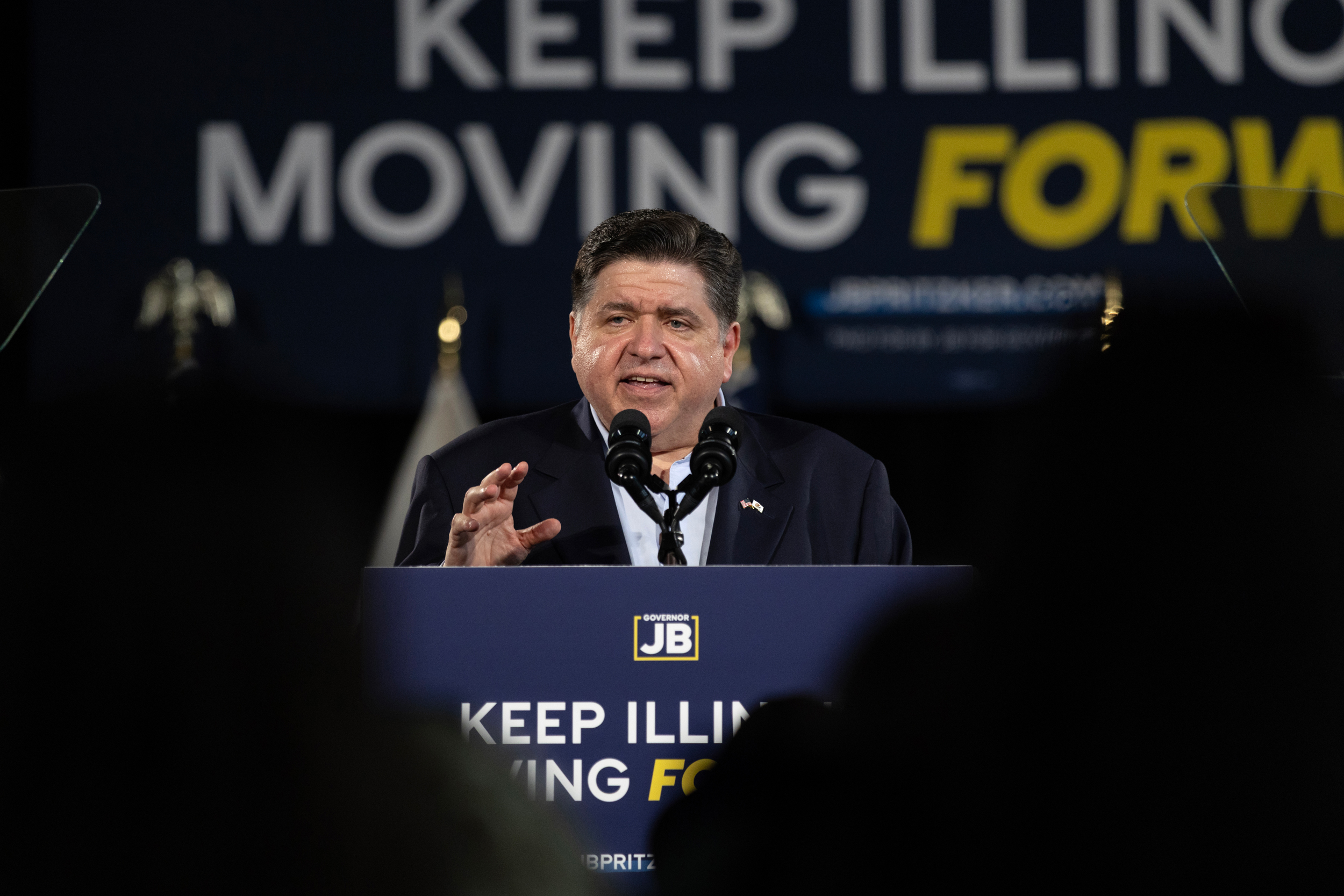
Illinois taxpayers are paying the price for years of reckless government spending under Gov. JB Pritzker. A conservative estimate shows that at least $22 billion in taxpayer money has been wasted or irresponsibly spent since Pritzker took office in 2018.
The real number is almost certainly much higher.
That estimate is drawn from analyses by the Illinois Policy Institute and official state audit findings. Even using the most cautious assumptions, the picture is bleak.
In fiscal year 2019 alone, analysts identified roughly $97 million in wasteful state and local spending. That money went toward pork-barrel projects, frivolous arts and recreation grants, unnecessary lobbying contracts, and taxpayer-funded promotions that delivered little public value.
Applying similar spending levels to 2018 and 2019 pushes early-term waste to roughly $200 million before the pandemic.
Specific examples cited by the Illinois Policy Institute underscore just how casually taxpayer dollars have been treated.
At the state level, reports flagged $13.1 million funneled to the Illinois Arts Council Agency, an agency plagued by allegations of conflicts of interest and politically connected grant-making. Another $23.6 million was spent on bike path projects, even as Illinois’ pension crisis and infrastructure backlogs worsened.
Smaller grants revealed the same mindset. Taxpayers paid $75,000 for youth golf programs and $25,000 for monarch butterfly habitats – projects funded while Springfield insisted there was no money for property tax relief or serious debt reduction.
Pork-barrel spending added up quickly. Reports identified $27 million in such projects, including $10 million for Chicago’s Uptown Theatre renovation and $2 million for a racetrack in Madison County – longtime political pet projects with little statewide benefit.
Then came the spending explosion.
Between 2020 and 2024, Illinois received massive amounts of unexpected revenue and federal COVID aid. Instead of paying down debt, stabilizing pensions, or offering tax relief to families struggling with inflation, the Pritzker administration used the windfall to permanently expand government. The Illinois Policy Institute estimates $21.5 billion was spent recklessly during this period alone.
The state budget tells the story. Illinois spending grew from $35.4 billion in FY2015 to $53.1 billion by FY2025, locking taxpayers into higher costs long after emergency funds disappeared.
Official audits barely scratch the surface. The Illinois Auditor General identified $14.8 million in questioned costs for FY2023, including improper payments and unallowable expenditures in programs such as child care, substance abuse treatment, and health insurance. That audit was released 774 days late, underscoring the lack of urgency and accountability in Springfield.
These figures do not include most state-funded programs, nor do they measure duplication, bloated administration, or politically driven spending. They are undercounts by design.
The consequences are real. Illinois remains one of the highest-taxed states in America and ranks 44th in job creation. Families are leaving. Employers are hesitant to expand. And now even iconic institutions are looking for the exit.
In recent years, companies like Boeing, Caterpillar, and Citadel have either moved their headquarters or significantly reduced their presence in Illinois and Chicago, citing taxes, crime, and an increasingly hostile business climate. These are not symbolic departures. They represent lost jobs, lost investment, and a shrinking tax base.
Now even the Chicago Bears are openly exploring a move to Indiana, drawn by a more stable and predictable business environment. That should be a five-alarm warning for state leaders. When a legacy franchise sees neighboring states as more welcoming than Illinois, the problem is no longer abstract.
Pritzker and Democratic lawmakers call this “investment.” Illinois taxpayers call it what it is: waste. And until Springfield gets serious about accountability, the bill will keep coming due – paid by families who can least afford it.