

By Illinois Review
The Corporation for Public Broadcasting has voted to dissolve, formally ending a decades-long experiment in taxpayer-funded media after Congress rescinded all federal appropriations for fiscal years 2026 and 2027.
The decision follows President Donald Trump’s move last summer to pull federal funding from the organization, which primarily bankrolled PBS, NPR, and hundreds of local radio and TV stations nationwide.
Created in 1967, CPB was designed to provide “nonpartisan” support for educational programming. Over time, critics say that mission drifted badly.
Conservatives have long argued that public broadcasting became an echo chamber for progressive politics – funded by taxpayers who often disagreed with the content.

With the rescission of federal appropriations, CPB’s only meaningful revenue stream vanished. The organization announced a wind-down in August 2025, cut staff sharply by October, and finalized closure in early January 2026.
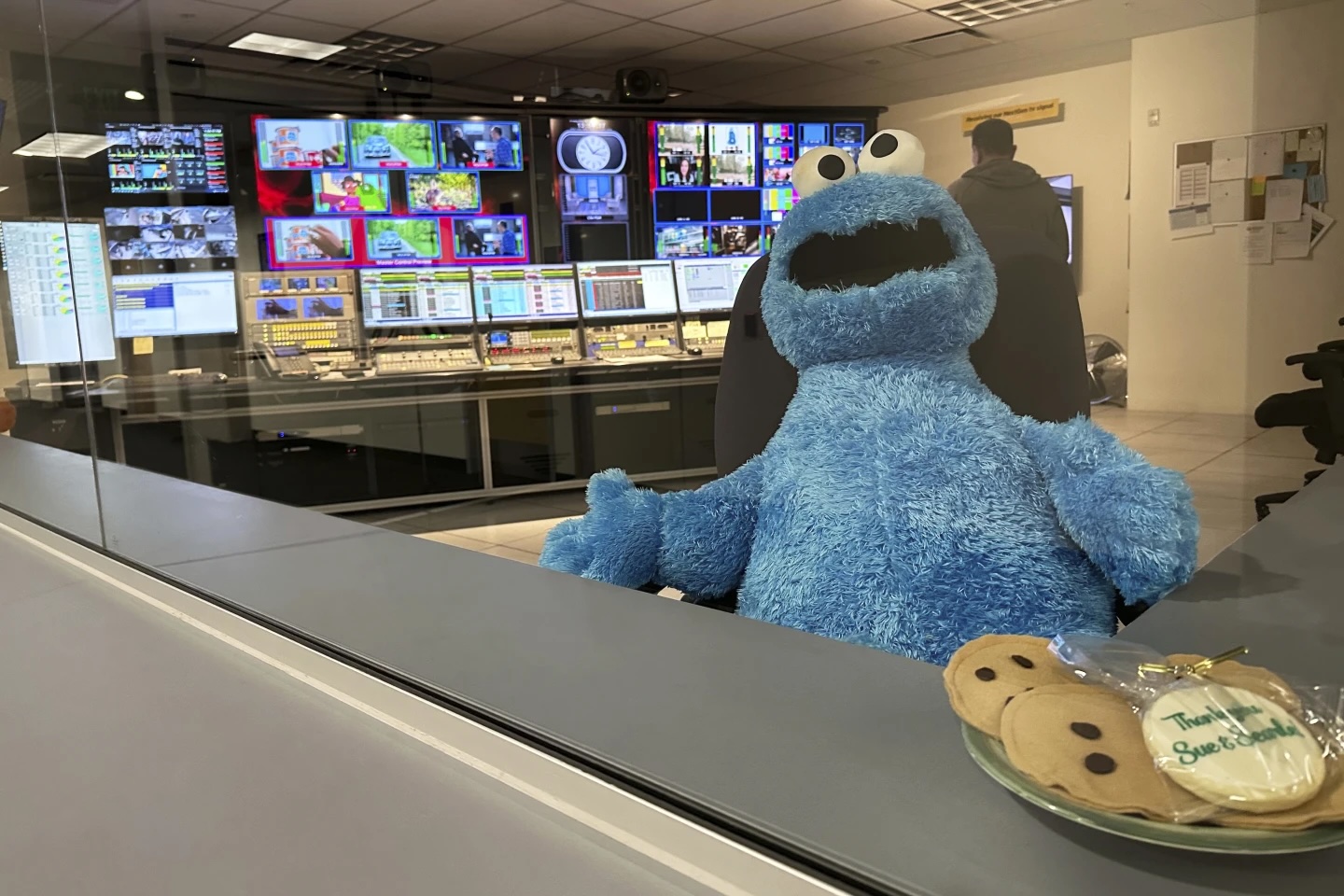
Defenders of CPB point to iconic shows that once defined public television. Programs like Sesame Street and Mister Rogers’ Neighborhood helped generations of children learn letters, numbers, and basic kindness. But even these staples became part of the debate.
Sesame Street, launched in 1969 with progressive social goals, has increasingly drawn criticism for promoting “woke” themes – anti-racism messaging, COVID narratives, and partnerships with left-leaning media outlets.
A 2020 collaboration with CNN on race issues became a flashpoint, convincing many conservatives that children’s programming had crossed a clear line into political advocacy. That moment crystallized years of frustration on the right and became central to the Trump administration’s case for defunding CPB.
After returning to office, President Trump made ending public broadcasting subsidies a priority, aligning with conservative reform proposals that argued taxpayer funding warped journalism and gave Democrats a built-in political advantage.
On May 1, 2025, Trump signed an executive order directing CPB to prohibit direct or indirect funding to PBS and NPR, terminate related grants and contracts, and refer potential bias concerns to the FCC.
The White House argued that NPR and PBS routinely violated CPB’s nonpartisan mandate. Critics cited newsroom cultures overwhelmingly aligned with Democrats, editorial decisions that downplayed stories unfavorable to the left, and programming infused with Diversity, Equity, and Inclusion ideology.
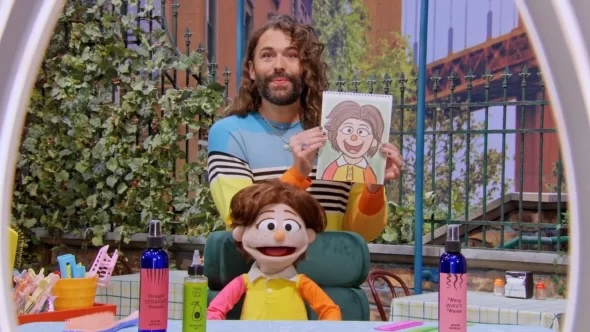
PBS, they argued, displayed lopsided political coverage and aired content – such as drag-themed programming for children – that many families found inappropriate.
Another argument resonated with taxpayers: cost and fairness.
In an era of endless media choices, conservatives questioned why families struggling with inflation and taxes should subsidize networks that openly disdain their values. Trump and his allies maintained that if PBS and NPR offered content Americans truly wanted, private donations and subscriptions would sustain them – without government help.
With CPB dissolving, the era of federally funded public broadcasting is ending. Supporters call it a cultural loss. Critics see accountability finally catching up.
For conservatives, the message is clear: taxpayer dollars should not be used to underwrite media that lectures parents, sidelines traditional values, and advances a political agenda – especially when children are the target audience.