


By Janelle Towne, Opinion Contributor
There are two kinds of people in politics: those who stage generosity for the cameras and those who simply practice it. The distinction matters more than ever in a political culture that often treats compassion like a campaign prop.
In Illinois, where press conferences and ribbon cuttings sometimes seem to pass for leadership, that difference becomes especially clear when you look at someone like Rick Heidner.
The Barrington businessman and founder of Heidner Properties, now running for governor, has spent years quietly supporting causes that help people in crisis. One of the most meaningful examples is Project H.O.P.E. House, a suicide-prevention center serving teenagers, veterans, and first responders.
The organization operates out of a home Heidner provided and continues to maintain, covering the expenses so the nonprofit can focus its resources where they belong: helping people who are struggling.
There were no campaign banners when it opened. No podium speeches. No cameras documenting the moment. Just a decision to help people who needed it.
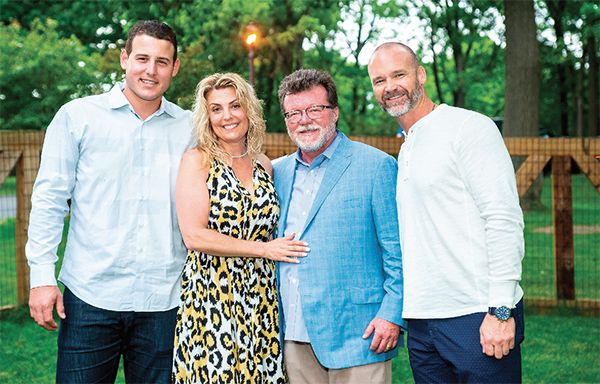
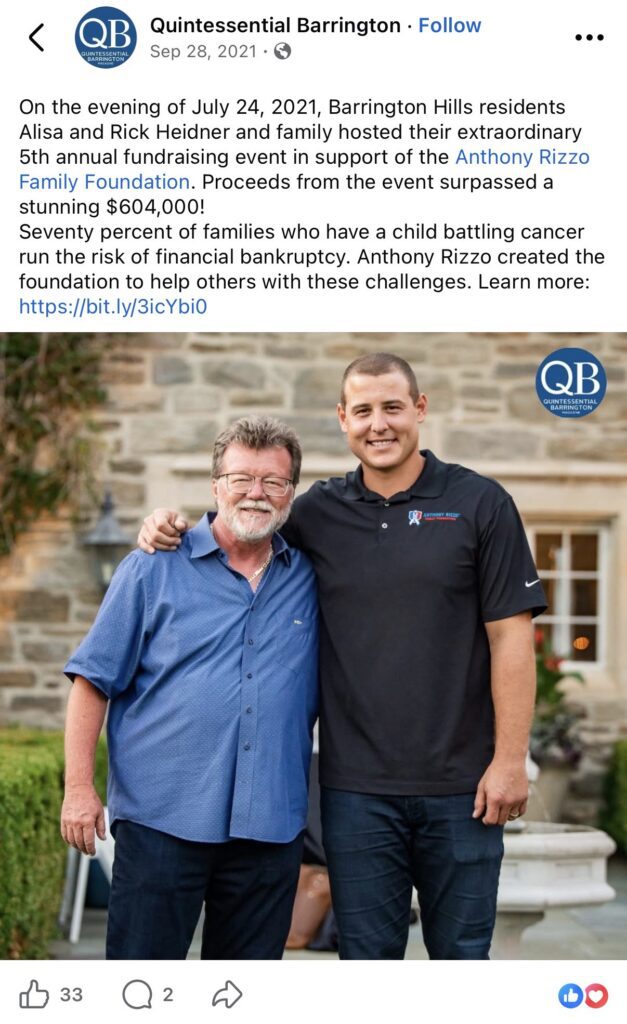
The same pattern appears elsewhere. The Heidner family has hosted fundraisers and contributed significant support to the Anthony Rizzo Family Foundation, which provides assistance to families battling pediatric cancer. Events held at the Heidner home have raised millions of dollars for children fighting the disease. Again, the story isn’t about publicity. It’s about results.
That kind of quiet generosity used to be something Americans simply expected from successful people. Today it almost feels unusual, especially in politics. Which is why the Heidner story reminds many Americans of something they noticed about Donald Trump long before he ever ran for president.
For decades, stories circulated about Trump stepping in privately when people needed help, supporting families facing financial ruin, helping struggling businesses stay afloat, or assisting individuals with medical crises.
Many of those stories surfaced years later, told by the people whose lives had been changed by them. Even during his presidency, Trump often used the State of the Union not just to talk about policy but to highlight ordinary Americans who had endured extraordinary tragedy, families shattered by crime, parents who had buried children, military families who had sacrificed everything.
The instinct behind it was simple, to actually see the people behind the statistics.
Rick Heidner operates with that same instinct. Not the instinct to hold a press conference, but the instinct to help.
And that instinct stands in stark contrast to the kind of political theater Illinois voters have grown accustomed to watching. Too often, charity in politics arrives with a photographer, a microphone and a great big performative press conference.
Every good deed is packaged for social media. Every ribbon cutting becomes a campaign commercial. The Theater is the point.
We don’t need to name names because Illinois voters already recognize the pattern. But the difference between political theater and genuine character is easy to spot. One requires a press release while the other requires someone willing to step in and do the right thing even when no one else is watching.
Rick Heidner has been doing exactly that for years. And long before modern politics turned generosity into a spectacle, there was a much simpler instruction.
In the Gospel of Matthew, Jesus Christ offered a timeless reminder about charity: “But when you give to the needy, do not let your left hand know what your right hand is doing, so that you’re giving may be in secret then your father who sees what is done in secret will reward you.“ (Matthew 6:3-4).
In a political culture increasingly obsessed with appearances, that ancient wisdom still resonates. Sometimes the most meaningful generosity happens quietly. And sometimes the leaders who make the biggest difference are the ones who understand that helping people isn’t about the applause but about the act itself.
If that philosophy sounds familiar, it should. It’s the same instinct many Americans recognized years ago in Donald Trump.
And who knows – if President Trump happens to come across this opinion piece, he might recognize something else too – that the quiet kind of leadership he often talked about may already be alive and well in Illinois.