

By Illinois Review
The Chicago Bears’ long-running stadium saga may be entering its final chapter – and Illinois Democrats, led by Governor JB Pritzker and Chicago Mayor Brandon Johnson, may have nobody to blame but themselves.
After months of negotiations, political infighting, and public posturing, the Illinois General Assembly adjourned its spring session without passing any meaningful legislation to help keep the Bears in Illinois.
Now, as frustration grows within the organization, Indiana officials appear more determined than ever to lure one of the NFL’s founding franchises across the state line. And they may be willing to sweeten the deal even further.
As part of Indiana’s aggressive effort to bring the Bears to a proposed new domed stadium in Hammond, state and local officials are reportedly exploring ways to help the team escape its current Soldier Field lease years ahead of schedule.
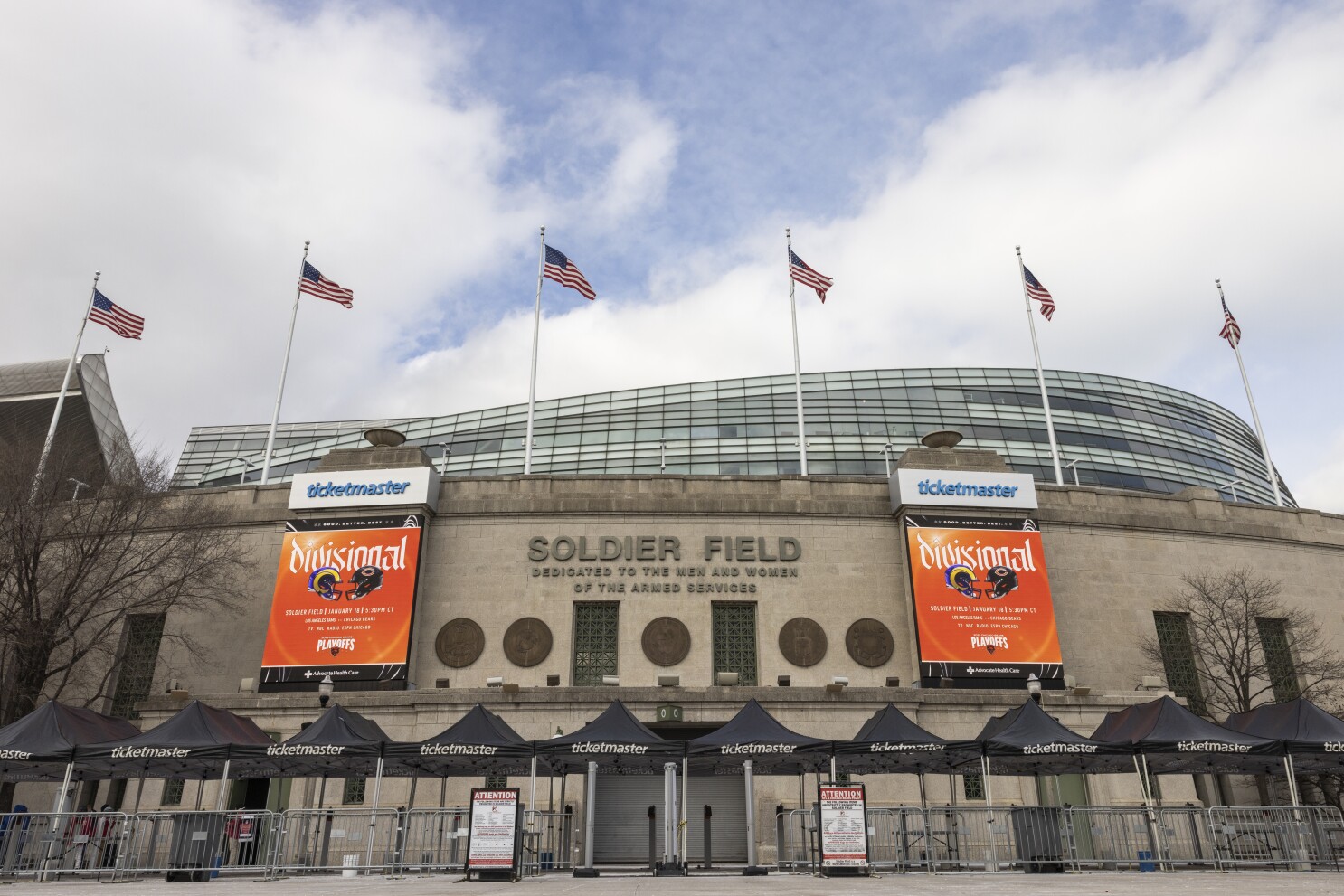
The Bears remain under lease at Soldier Field through 2033. However, according to discussions surrounding the Northwest Indiana Professional Sports Development Commission, Indiana could potentially assist with the significant financial penalties associated with an early departure.
Jay Wilkinson of Hoosier Investments recently suggested that Indiana could help offset costs tied to an early lease termination. Estimates indicate those penalties could exceed $90 million if the Bears decide to move their home games out of Chicago before the current agreement expires.
For Indiana, that price tag may be viewed as a worthwhile investment.
The state’s offer is already substantial. Earlier this year, Indiana enacted legislation creating a stadium authority and authorizing up to $1 billion in bonds for stadium construction and related infrastructure improvements.
Under the proposal, the Bears would contribute roughly $2 billion toward a state-of-the-art enclosed stadium development near Wolf Lake in Hammond.
The message from Indiana officials has been consistent: they are moving at the speed of business while Illinois remains mired in one-party political dysfunction.
Governor Mike Braun and Hammond Mayor Tom McDermott have made no secret of their desire to bring the Bears to Northwest Indiana. They view the project as a once-in-a-generation economic opportunity capable of transforming the region while generating billions in development and tourism activity.
Meanwhile, Illinois leaders continue sending mixed signals.
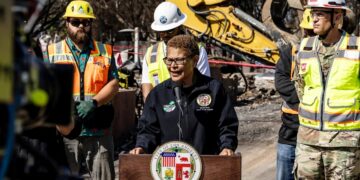
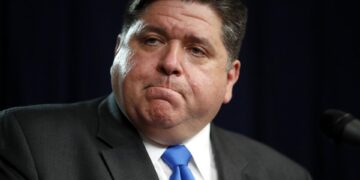
Governor J.B. Pritzker has publicly opposed large taxpayer subsidies for a new Bears stadium. Chicago Mayor Brandon Johnson has floated various lakefront concepts, but the Bears have repeatedly indicated that viable options within Chicago have largely been exhausted.
The result is uncertainty, delays, and a growing sense that Illinois simply does not have a coherent plan.
The Bears now appear focused on two finalists: Arlington Heights, where the team already owns the former Arlington Park property, and Hammond, Indiana. Both sites offer the potential for a modern domed stadium and surrounding mixed-use development.
But Indiana offers something Illinois increasingly does not: certainty.
If Indiana is willing to help absorb lease termination costs, assist with infrastructure, and provide a clear path forward, the question becomes increasingly difficult to ignore:
Why should the Bears continue waiting in a state that cannot decide whether it wants them to stay?
For decades, the Bears have called Chicago home. But nostalgia rarely drives billion-dollar business decisions.
Illinois lawmakers had another opportunity to show the franchise that it was wanted. Instead, Springfield delivered more delays, uncertainty, and political dysfunction.
Indiana, meanwhile, is offering certainty, infrastructure, and potentially even a path out of Soldier Field years ahead of schedule.
If Illinois Democrats continue sending the message that the Bears are not a priority, they should not be surprised if one day the franchise decides to leave for a state that actually wants them.
By Illinois ReviewFormer Orland Park Mayor Keith Pekau may have fled Illinois following his humiliating landslide defeat last year, but sources tell Illinois Review that the Republican has...
Read moreDetails