


By Mark Vargas, Editor-in-Chief & Opinion Contributor
Critics are already complaining that Bill Pulte lacks traditional intelligence credentials. They’re missing the point.
The intelligence community does not suffer from a shortage of experts. It suffers from a profound shortage of public trust.
President Donald Trump’s decision to name Bill Pulte as acting Director of National Intelligence follows a consistent logic: broken institutions are often best reformed by trusted outsiders, not by the insiders who helped break them.
For years, Washington filled top intelligence posts with career diplomats, seasoned bureaucrats, and institutional veterans. Yet despite their impressive resumes, public confidence in the intelligence community collapsed.
Controversies surrounding the fake Russia investigation, selective leaks, declassifications, and allegations of politicization left millions of Americans convinced that key parts of the intelligence apparatus had become more focused on protecting the system than serving the public.
The problem was never capability. America still has some of the world’s finest intelligence professionals. The problem was institutional culture, accountability, and credibility.
Tulsi Gabbard proved that an outsider could make a difference. Despite facing similar criticism when she was appointed, Gabbard pursued meaningful reforms. She reduced bureaucracy within the Office of the Director of National Intelligence, generated substantial cost savings, refocused priorities on core national security threats, and took concrete steps toward greater transparency.
Her tenure demonstrated that reform is possible when leadership is willing to challenge the establishment rather than accommodate it.
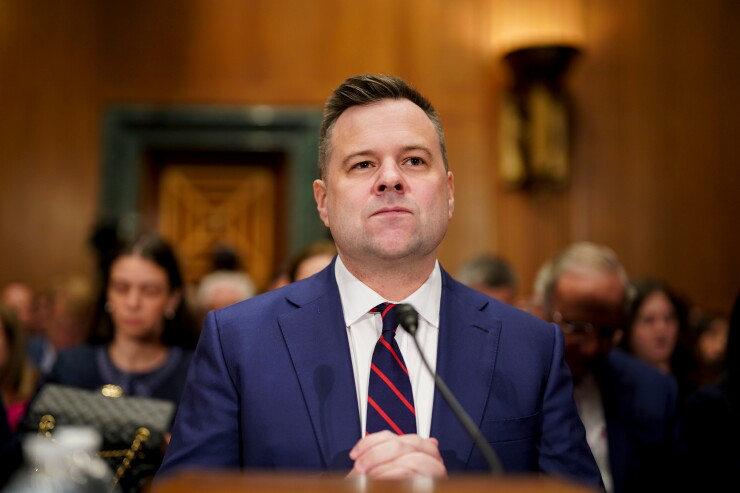
Bill Pulte represents the next phase of that reform effort. He is not a career intelligence officer or a polished Washington diplomat. He comes from outside the system entirely. His experience managing massive and complex organizations at the Federal Housing Finance Agency demonstrated a willingness to challenge entrenched interests and pursue accountability – even when doing so generated resistance.
That independence is exactly what this moment demands. The intelligence community does not need another caretaker comfortable with the status quo. It needs a leader willing to question assumptions, eliminate redundancies across its sprawling network of 18 agencies, and ensure that intelligence serves the American people rather than Washington’s political class.
Critics will focus on Pulte’s lack of intelligence experience. But recent history suggests that deep institutional experience has not necessarily produced better outcomes. In many cases, it has produced greater insulation from public accountability.
Trump understands that loyalty to the elected president, commitment to reform, and willingness to challenge bureaucracy can be just as valuable as technical expertise.
The intelligence community does not have an expertise problem. It has a trust problem. Bill Pulte, as a trusted outsider, is well-positioned to continue the difficult but necessary work that Gabbard began.
At a time when faith in government institutions remains fragile, Trump is making the right call by prioritizing credibility and reform over tradition.
The real question isn’t whether Pulte fits the old mold. It’s whether that old mold ever deserved the public’s trust in the first place.

By Illinois ReviewLos Angeles Mayor Karen Bass is facing national backlash after a viral campaign video highlighted an unusual feature of her re-election effort: private campaign donations can...
Read moreDetails