

By Illinois Review
Fresh scrutiny is mounting over Gov. JB Pritzker’s financial interests as new findings raise serious questions about conflicts of interest, transparency, and who ultimately benefits from Illinois’ one-party rule.
Since taking office in 2019, Pritzker’s blind trust has held interests in 12 for-profit companies that have collectively secured more than $20 billion in Illinois state contracts, all funded by taxpayer dollars.
Those contracts flow through Illinois’ budget, supported by income taxes, sales taxes, and federal matching funds for programs such as Medicaid.
Pritzker placed his assets into a blind trust when he became governor, claiming it would prevent conflicts between his personal wealth and state decision-making. But watchdogs and critics say the scale and timing of the contracts tell a different story.
One of the most prominent examples involves Centene Corporation, among Illinois’ largest Medicaid contractors. Through its subsidiaries, Centene has received more than $20 billion from the state for health programs under Pritzker’s administration. In 2022, the governor’s blind trust purchased stock in Centene – after the company had already been awarded massive state deals.
The Better Government Association flagged the overlap, warning that even if the trust is legal on paper, the repeated intersections between state contracts and the governor’s financial interests raise ethical red flags.
Those concerns intensified this week after Republican gubernatorial candidate Darren Bailey launched his campaign’s new Transparency Tracker as part of his proposed Department of Government Efficiency, known as DOGE Illinois.
Bailey’s tracker uncovered that more than $180 million in taxpayer money has flowed to the Hyatt Regency McCormick Place since 2011, through spending approved by the Metropolitan Pier and Exposition Authority (MPEA). The hotel is operated by Hyatt Corporation, which is controlled by the Pritzker family.
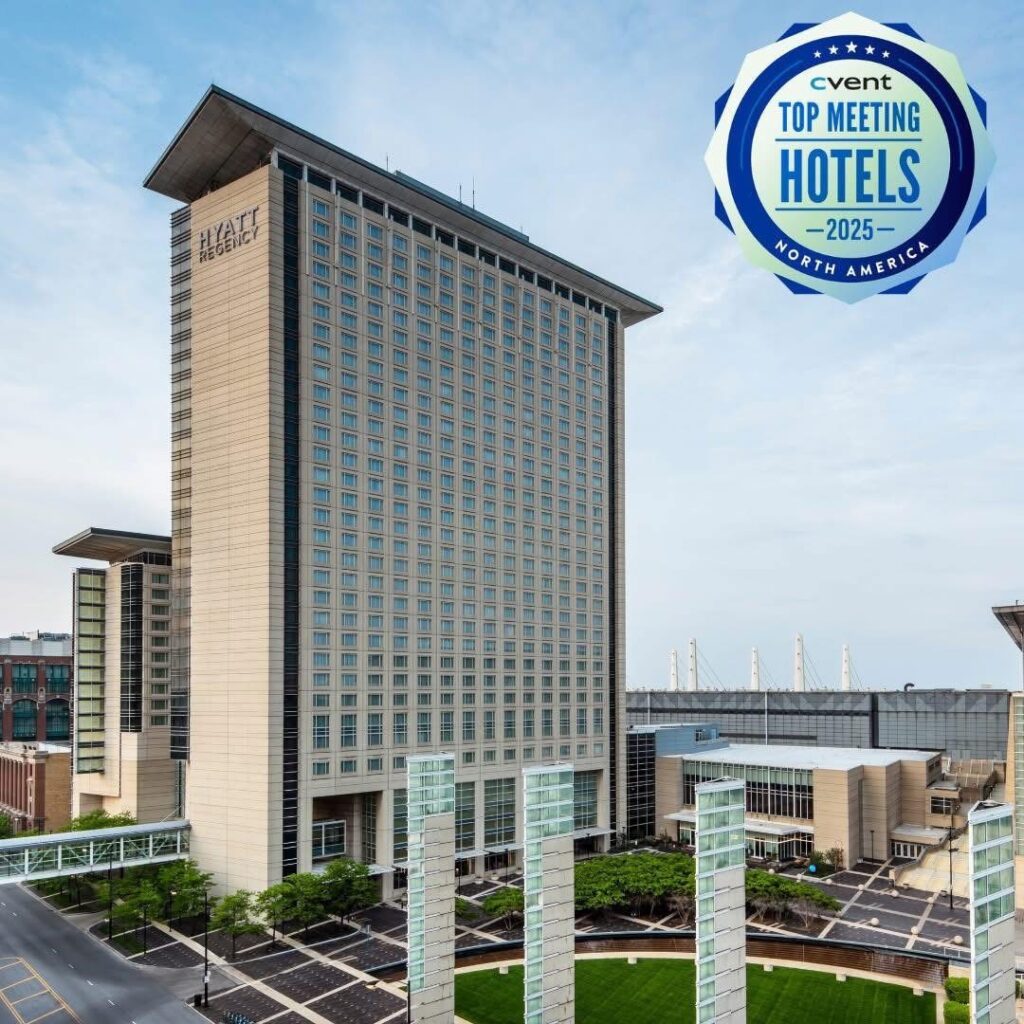
The latest disclosure highlighted $8.8 million spent on Hyatt “infrastructure improvements” in Fiscal Year 2023 alone. Overall, MPEA has approved major renovations and upgrades – paid for with special hotel, food, and beverage taxes – while Gov. Pritzker appoints nearly half of MPEA’s board members.
Critics argue the Hyatt spending fits a broader pattern. From healthcare contractors to hospitality projects, companies tied to the Pritzker financial orbit continue to receive billions in taxpayer-funded contracts while Illinois families face soaring property taxes, rising energy bills driven by green mandates, and a pension crisis topping $50 billion.
There is no allegation that Pritzker personally directed individual contracts. But opponents say that misses the point. When a governor’s blind trust intersects with tens of billions of dollars in state spending – and when his family’s hotel business benefits from public funds – public confidence erodes.
Democrats describe the arrangements as routine economic development and standard contracting. Critics call it crony capitalism, arguing the system protects insiders while ordinary taxpayers are left paying the bill.
Notably, Pritzker has publicly criticized DOGE-style efforts to scrutinize government spending, dismissing them as “an insult to all Americans.”
That remark is now resurfacing as renewed scrutiny focuses on billions in taxpayer dollars flowing to companies and properties tied to the governor’s financial interests.