

By Illinois Review
Jeanne Ives built her reputation by criticizing consultant-driven campaigns and warning Republican voters about big-money strategies that prioritize image over record.
Those warnings are now being revisited as Ives plays a prominent role in Ted Dabrowski’s gubernatorial campaign.
In a widely read opinion piece during the 2022 gubernatorial race, Ives sharply criticized party leaders and major donors for backing Richard Irvin. She argued that Republican primary voters were being asked to accept a candidate selected by political elites rather than evaluated on merit, record, and principles.
“For reasons that defy any understanding of Republican Primary voters in Illinois,” Ives wrote, “the Elitists… bet big money on a candidate that they believed checked the right boxes to win without regard for his record or principles.”
She warned that such an approach was destined to fail.
“Republican Primary voters… are not going to be force fed a candidate by Elitists in Chicago and the suburbs,” Ives added, describing a campaign model driven by donors and consultants rather than grassroots support.
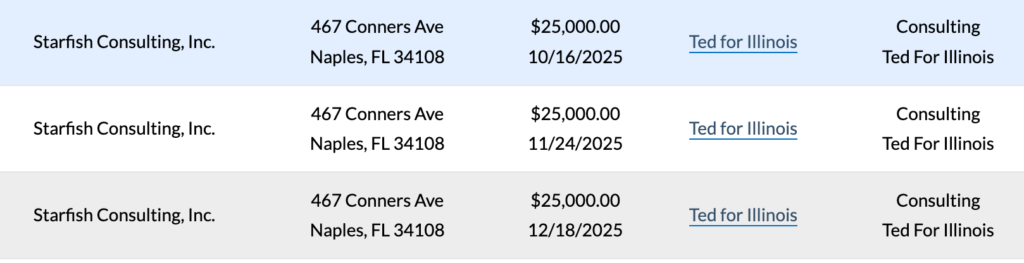
Those concerns are resurfacing as Dabrowski’s campaign finance disclosures show significant spending on consultants and media. Reports indicate the campaign spent approximately $181,000 on staff and consultants over a three-month period, including $75,000 paid to a Florida-based political consulting firm tied to longtime Illinois media figure and Florida radio host Dan Proft.
The payments to Proft average $25,000 per month for consulting services.
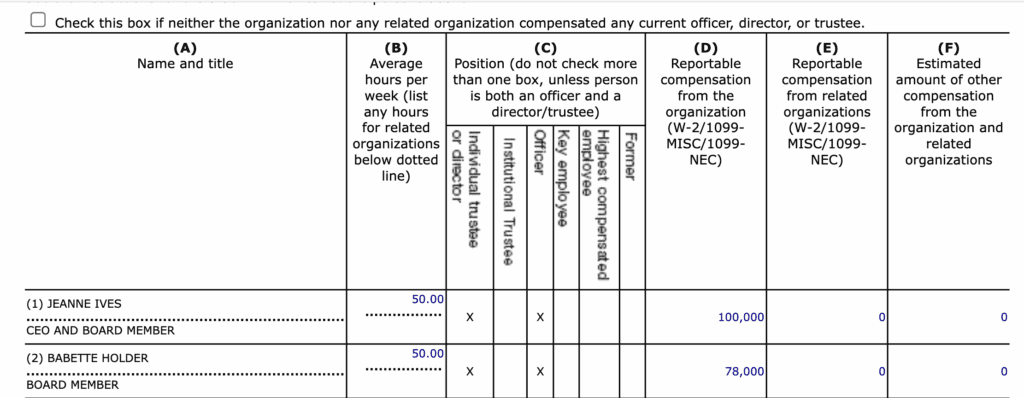
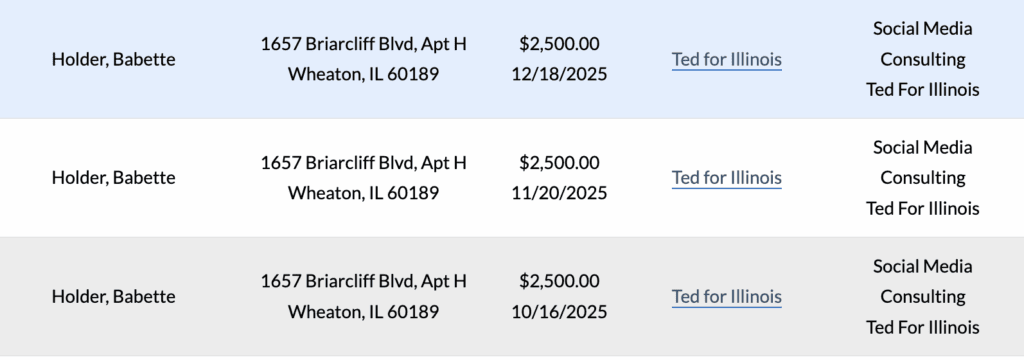
In addition, Ives’ organization, Breakthrough Ideas, has financial ties to the Dabrowski campaign. Ives’ top aide and second-in-command at the nonprofit, Babette Holder, is listed as earning $78,000 annually as a board member, according to IRS Form 990 filings. Holder is also paid $2,500 per month as a social media consultant for the Dabrowski campaign – bringing her total annual compensation close to $100,000.
Beyond consultant spending, Dabrowski has increased his television presence. The campaign recently aired its second TV commercial, a move that typically involves six-figure costs once production and airtime are included. Television advertising remains one of the most expensive components of statewide campaigns and a primary revenue stream for political consultants and media buyers.
That strategy is reinforced by the campaign’s emphasis on insider endorsements. In recent weeks, Dabrowski has highlighted support from longtime political figures and party operatives as proof of momentum – a strategy that closely mirrors the approach used by Richard Irvin in the 2022 primary.
Irvin’s campaign leaned heavily on endorsements from elected officials, party leaders, and well-connected insiders, often promoting them as validation from “serious Republicans.” Ives criticized that tactic at the time, arguing it reflected elite decision-making rather than grassroots support.
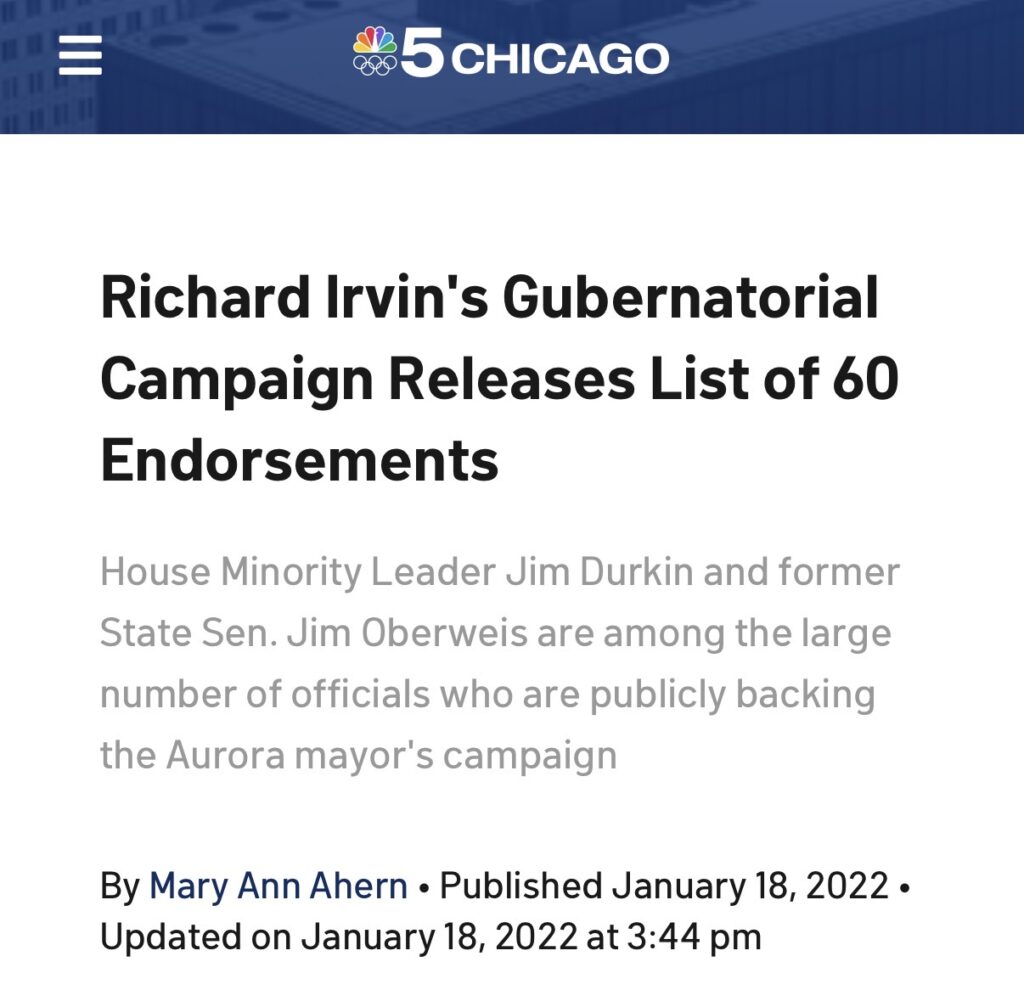
Dabrowski’s campaign has increasingly adopted a similar posture, elevating endorsements from political insiders while continuing to trail among rank-and-file Republican voters. The approach aligns with the broader consultant-driven strategy that prioritizes institutional approval and media presentation over organic voter enthusiasm.
The funding base behind Dabrowski’s campaign has also drawn scrutiny. Several major donors backing the campaign have a history of contributing to both Republican and Democratic candidates, including political allies of Chicago Mayor Brandon Johnson and Democratic Gov. JB Pritzker.
Campaign finance records show these donors have supported establishment figures across party lines, reinforcing perceptions that Dabrowski’s campaign is aligned more closely with institutional political networks than with grassroots conservative activists.
For Republican voters wary of “combine” politics – an issue Ives herself has repeatedly highlighted – the presence of donors who finance both parties echoes the concerns she raised during the 2022 primary about elite influence and cross-party political insulation.
Ives once compared the Irvin campaign to “a realtor hoping first-time homebuyers purchase a house sight unseen based only on curb appeal, staging, wide shots, and without any physical inspection of the property.”
She also warned against campaigns built on consultant-crafted messaging rather than a candidate’s record.
“From the beginning, their plan was to select a candidate based on identity more so than policy and a proven record of accomplishment,” she wrote.
While the Dabrowski campaign has not centered on identity messaging, its reliance on paid consultants, early television advertising, and insider endorsements mirrors the broader structure Ives previously criticized – strategies that can rapidly deplete campaign funds while primarily benefiting political operatives.
Polling suggests the same dynamics may be at play. Recent surveys show Dabrowski trailing the grassroots-backed frontrunner by approximately 26 points in the Republican primary. Irvin ultimately lost the 2022 primary by 43 points.
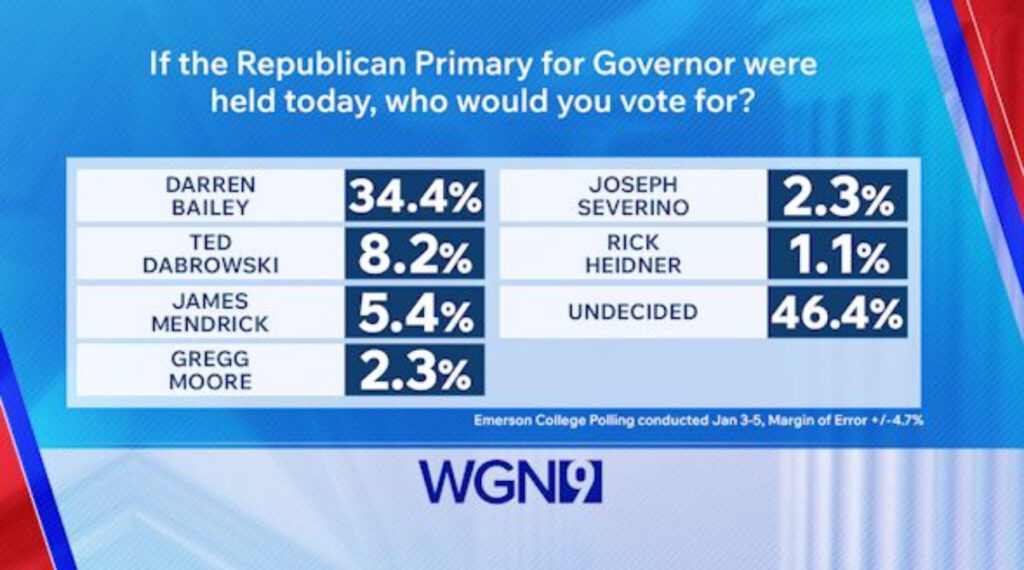
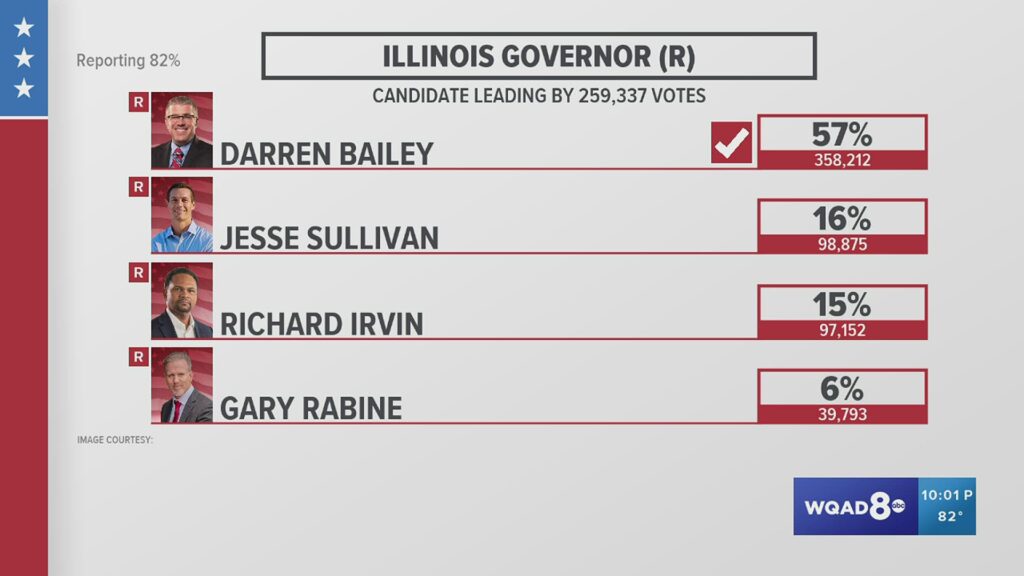
Whether consultant-heavy spending, television advertising, and insider endorsements can close that gap remains to be seen. But Ives’ own words provide a clear benchmark by which those strategies – and their results – are now being evaluated.