

By Illinois Review
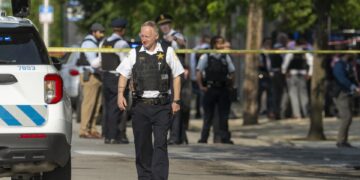
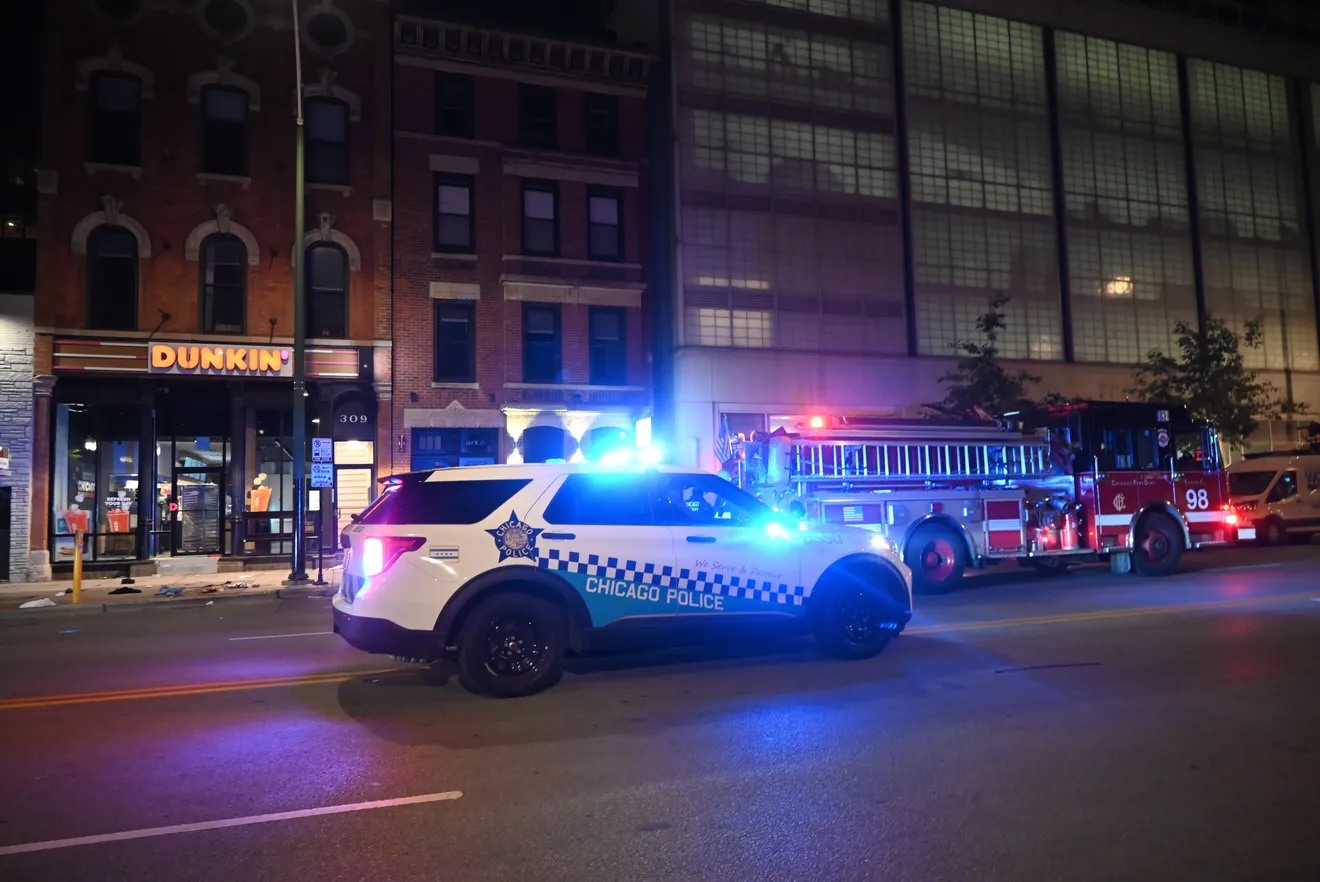
Chicago residents pay the highest monthly 911 surcharge in the United States, yet city data shows that roughly half of the city’s most serious emergency calls have gone without an immediately available police response, raising renewed questions about public safety and how emergency telephone tax dollars are being spent.
According to data from the National Emergency Number Association and the Tax Foundation, Chicago charges a flat $5.00 monthly emergency telephone system surcharge on each phone line. The fee is significantly higher than those imposed by other major cities, including New York City, Philadelphia, Houston, and Los Angeles, where monthly emergency surcharges are generally under $2 and, in some cases, less than 50 cents.
The city increased the surcharge from $3.90 to $5.00 in 2018, saying the additional revenue would help modernize Chicago’s 911 infrastructure through the implementation of Next Generation 911 technology, upgraded dispatch capabilities, and improved emergency communications.
Despite those investments, concerns remain over the city’s ability to respond to emergency calls.
Data from the Chicago Office of Emergency Management and Communications (OEMC) shows that through the first half of 2024, approximately 127,000 of 256,000 Priority 1 and Priority 2 emergency calls had no police officer immediately available for dispatch.
Those calls include reports of shootings, armed robberies, aggravated assaults, and other life-threatening emergencies.
The figures indicate that roughly 50 percent of Chicago’s highest-priority emergency calls were delayed because no officers were immediately available to respond.
Public safety experts have long pointed to ongoing staffing shortages within the Chicago Police Department as a major factor. CPD’s sworn officer ranks remain near multi-decade lows, leaving fewer officers available to answer emergency calls while also handling routine patrol responsibilities, investigations, and citywide events.
The city’s Office of Inspector General has also previously reported concerns regarding the completeness and accuracy of Chicago’s emergency response time data, making it difficult to fully evaluate police response performance.
The findings come as Illinois residents continue to face some of the nation’s highest taxes and fees on wireless service. According to the Tax Foundation, Illinois already has the highest combined state and local wireless tax burden in the country, with Chicago’s additional local surcharge adding further costs for consumers.
Critics argue that residents paying the nation’s highest 911 surcharge should expect prompt emergency response. They contend that the city’s public safety challenges underscore the need for additional police staffing and improved deployment of existing resources.
As debate continues over police staffing, crime, and city spending priorities, Chicago’s emergency response system is likely to remain a central issue for taxpayers who expect reliable service when dialing 911.

By Illinois ReviewAs America marks its 250th anniversary, congressional Democrats are already signaling that one of their first priorities – if they regain control of the U.S. House...
Read moreDetails