

By Mark Vargas, Editor-in-Chief & Opinion Contributor
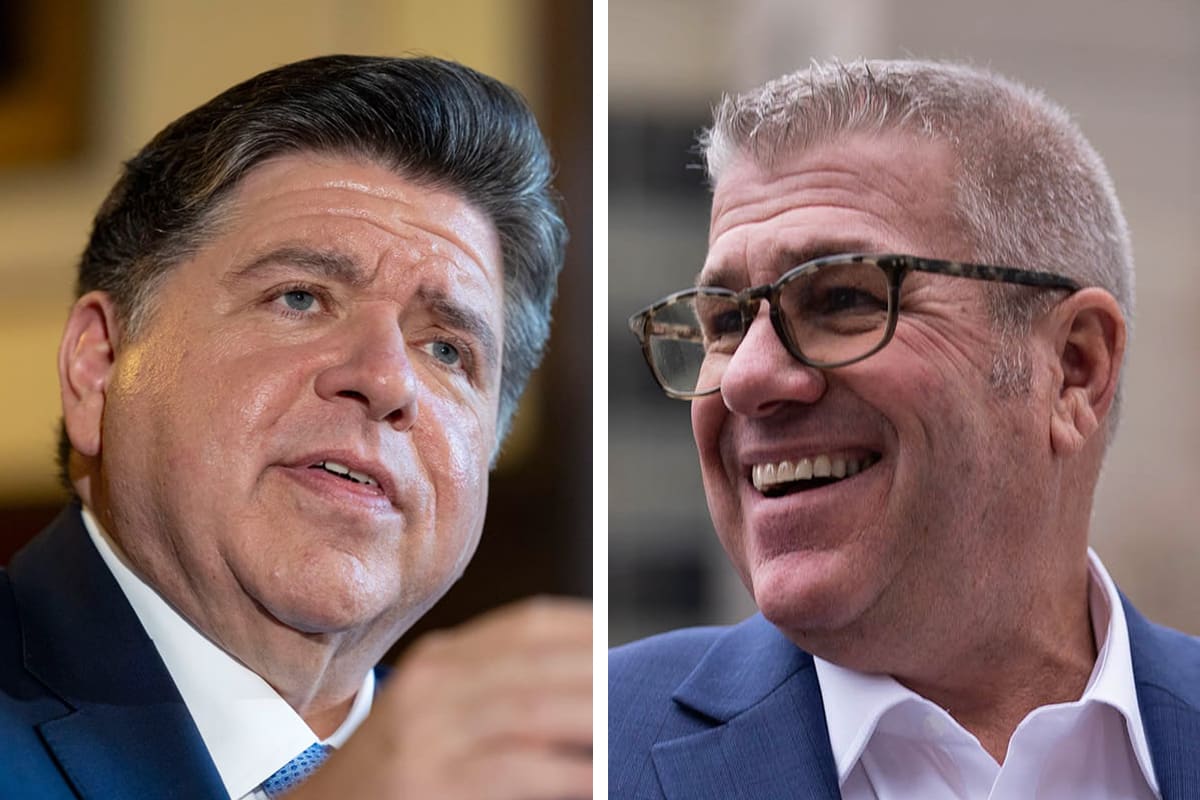
With Election Day just days away, Gov. JB Pritzker isn’t simply seeking a third term. The outcome of his race against Republican Darren Bailey could have implications far beyond Springfield.
And the margin of victory – regardless of who wins – could carry political consequences well beyond Illinois.
In 1994, Republican Gov. Jim Edgar won re-election with 63.87 percent of the vote against Democrat Dawn Clark Netsch, carrying an extraordinary 101 of Illinois’ 102 counties – including Cook County.
It was one of the greatest gubernatorial landslides in Illinois history.
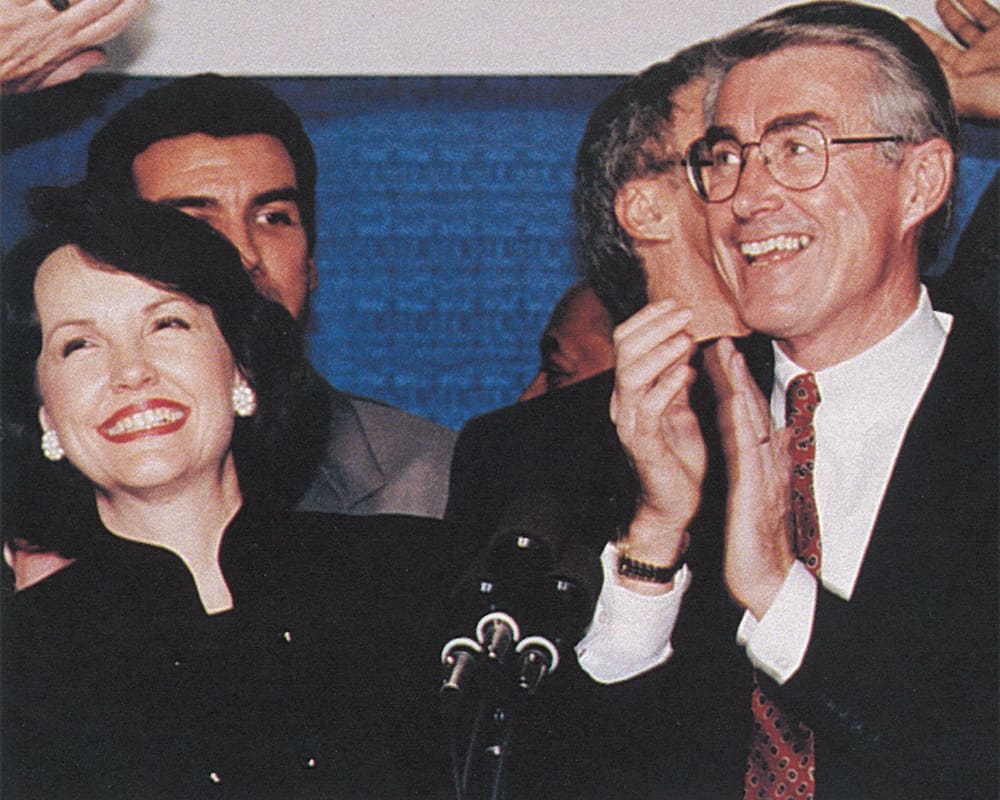
No Illinois governor has matched that percentage since. Not George Ryan. Not Rod Blagojevich. Not Bruce Rauner. And not Pritzker himself, who received 54.5 percent in 2018 and 54.9 percent in 2022.
The historical comparison matters because of Pritzker’s growing national political presence. The governor has become an outspoken Democratic critic of President Donald Trump, traveled to politically significant states and committed millions of dollars to Democratic campaigns throughout the country.
In September, Pritzker launched a political effort aimed at spending approximately $20 million supporting Democratic congressional candidates.
Although he has not announced a presidential campaign, Pritzker has not ruled out running in 2028.
If Pritzker wins by a historic margin, he could use that result to make the case for his leadership to Democratic voters, donors and party leaders ahead of 2028.
Democrats could portray a decisive win as validation of Pritzker’s record on taxation, spending and economic policy.
Republicans, meanwhile, have challenged those policies as excessively progressive, arguing that Illinois’ tax burden, population trends and business climate warrant a different direction.
Those disagreements remain central to Tuesday’s election.
Bailey, who draws substantial support from southern Illinois and conservative downstate communities, is seeking to unseat the governor.
Turnout across southern Illinois and conservative downstate counties could be a significant factor in Tuesday’s election, alongside the results in suburban counties such as DuPage and Will.
The final result could also influence how both parties approach future statewide contests. A Bailey victory would deny Pritzker a third term. A narrower Pritzker victory would carry different national implications than an overwhelming landslide.
Jim Edgar’s landslide has stood for more than three decades. Whether Pritzker approaches that achievement – or wins reelection at all – remains a question for Illinois voters.
Tuesday’s outcome could reshape Illinois politics and influence the national conversation surrounding Pritzker’s political future.
But before any presidential ambitions can take shape, there is an election to decide here at home.
November 3 belongs to Illinois voters – not political pundits, national Democrats or anyone already writing the next chapter of Pritzker’s political career.