

By Illinois Review
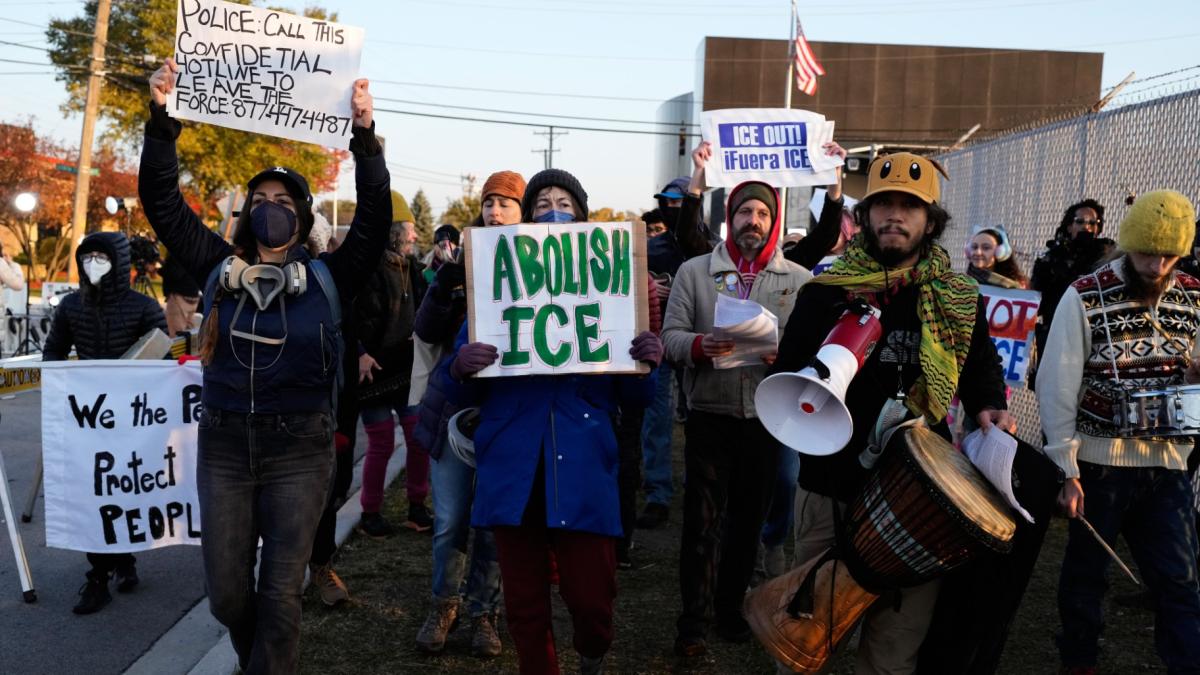
Cook County State’s Attorney Eileen O’Neill Burke has dropped charges against 19 protesters arrested during a chaotic November 2025 demonstration outside the U.S. Immigration and Customs Enforcement processing center in Broadview – despite acknowledging that prosecutors had enough evidence to move forward.
The protest escalated when demonstrators moved beyond a designated protest zone near the federal facility. According to authorities, scuffles broke out between protesters and law enforcement, including deputies from the Cook County Sheriff’s Office.
Twenty-one individuals were arrested and charged with misdemeanor offenses such as obstruction, disorderly conduct, and walking on a roadway. On Tuesday, Burke’s office dismissed charges against 19 of them.
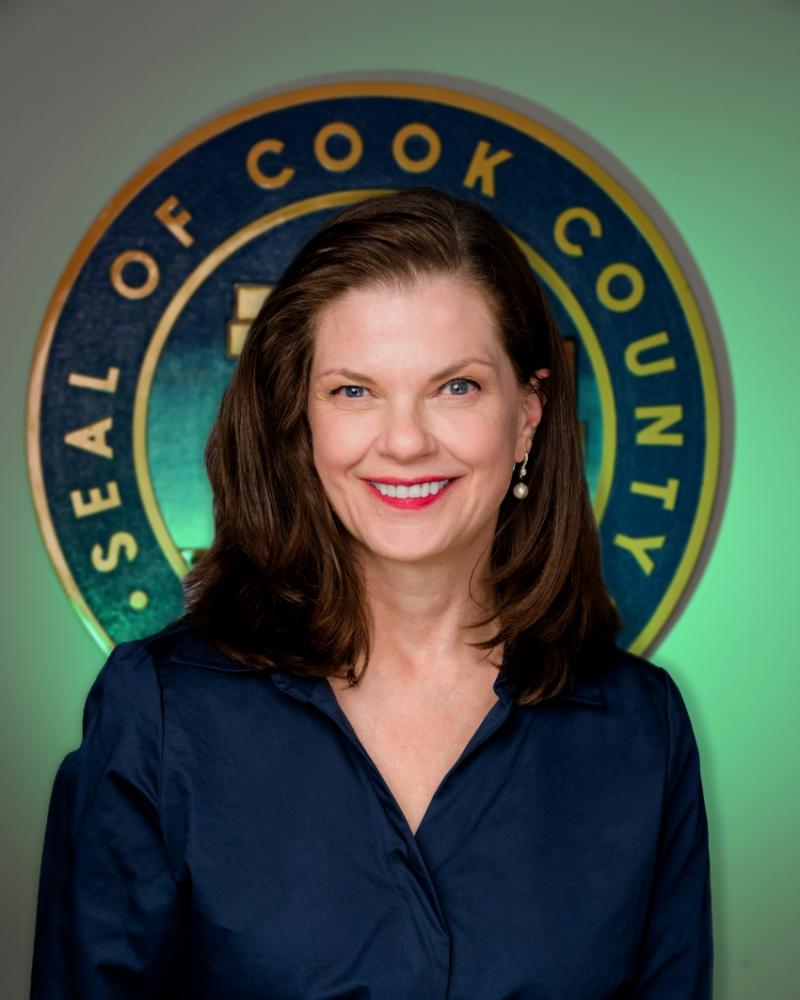
In a public statement, prosecutors admitted: “Although sufficient evidence exists to support this prosecution, considering the totality of the circumstances, we are declining to proceed.”
This was not a case of mistaken identity. It was not a lack of proof. The State’s Attorney’s office conceded the evidence was there. They simply chose not to enforce the law.
At a time when federal immigration officers face mounting hostility, the decision sends a troubling message. The Broadview facility is operated by U.S. Immigration and Customs Enforcement and processes individuals in federal custody – many with serious criminal histories.
Agents conducting operations in and around Chicago are tasked with locating and detaining illegal immigrants with violent records.
When protesters physically confront law enforcement and push beyond lawful boundaries, it creates real risk – not just to deputies and ICE personnel, but to the broader community.
Dropping charges under these circumstances sets a dangerous precedent. If activists know they can clash with police outside a federal detention center and face no real consequences, similar confrontations are likely to follow.
Illinois has already suffered under policies that prioritize political activism over public safety.
Chicago remains plagued by crime, while state and local leaders frequently criticize federal immigration enforcement. Now, Cook County’s top prosecutor has chosen not to pursue charges even after acknowledging the legal basis to do so.
Law enforcement officers rely on prosecutors to back them when laws are broken. When that support falters, morale suffers – and deterrence weakens.
Peaceful protest is a constitutional right. Physical obstruction of officers and disorderly conduct are not.
By stepping back from prosecution, Burke’s office risks emboldening future confrontations at a facility that plays a key role in removing dangerous offenders from Illinois communities.
For ICE agents and sheriff’s deputies standing the line, the message is clear: enforce the law – but don’t expect political leaders to enforce it with you.