


By Illinois Review
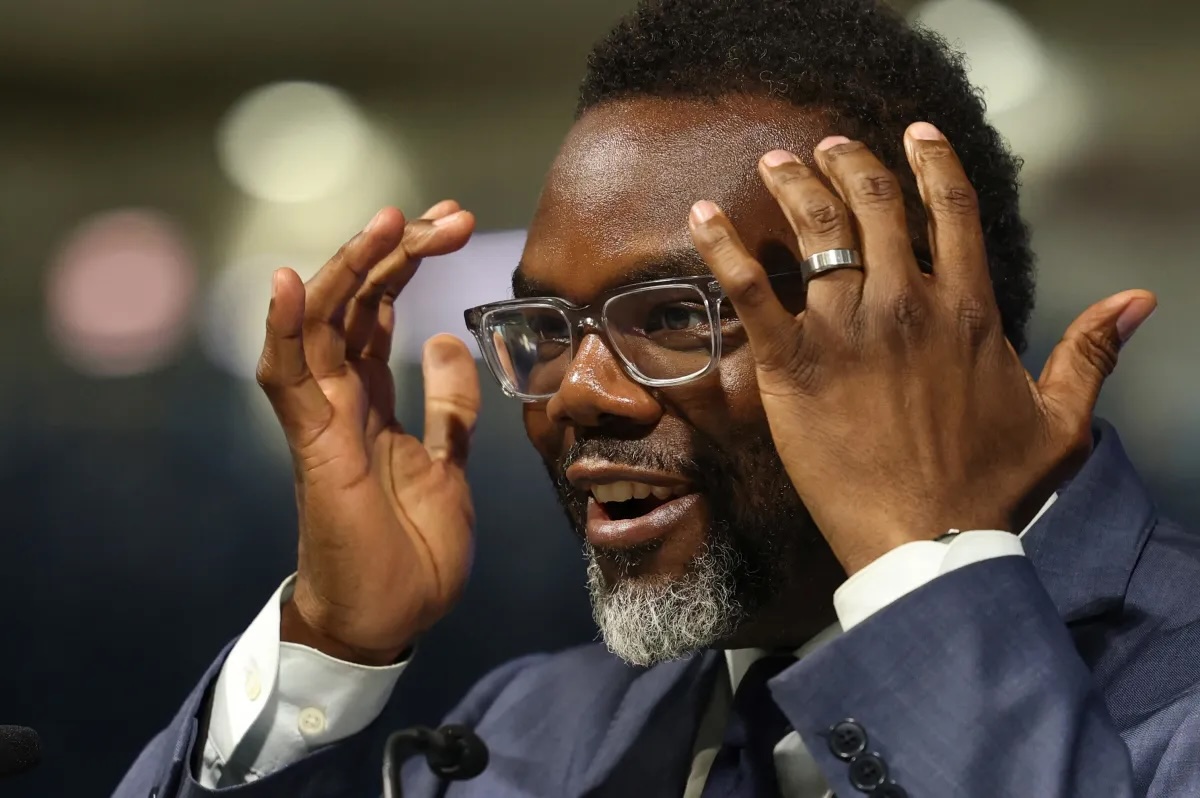
Chicago Mayor Brandon Johnson is once again drawing criticism after declaring Thursday that “if we believe that we can arrest our way to safety, we’re wrong,” during the rollout of the city’s 2026 Summer Safety Strategy in the Back of the Yards neighborhood.
Johnson added that “we ask police to do too much,” as he promoted a summer crime plan focused heavily on youth jobs, violence interrupters, community programs, and “safe spaces” for teens rather than aggressive law enforcement.
The comments immediately sparked backlash from residents and critics who argue Chicago Democrats continue to downplay the importance of policing while violent crime, retail theft, and public disorder push families and businesses out of the city.
For years, Johnson has championed what he calls the “People’s Plan for Community Safety,” a progressive approach centered on addressing so-called “root causes” of crime through government spending and social programs. But many Chicagoans say the results speak for themselves.
Over the last five years, more than 500,000 people have left Chicago and Illinois, while more than 1,200 businesses have fled the state amid rising taxes, crime concerns, and economic instability. Major corporations including Citadel, Boeing, and Caterpillar have either relocated headquarters or shifted major operations out of Illinois.
Johnson’s latest remarks reflect a broader Democratic attitude toward crime and public safety – one that treats criminals as victims while law-abiding residents are left to deal with the consequences.
Chicago continues to struggle with violent crime in many neighborhoods, particularly during the summer months. Large teen gatherings downtown have repeatedly turned chaotic in recent years, leading to shootings, assaults, and widespread property damage. Yet Johnson has consistently resisted calls for tougher policing measures, instead emphasizing investment programs and “restorative justice.”
Supporters of the mayor argue that police alone cannot solve long-term social problems and point to the need for economic opportunity and community investment. Johnson’s summer plan does include targeted police deployments during holiday weekends and at large youth gatherings.
Still, many residents say the city cannot ignore basic law enforcement while asking taxpayers to fund more government programs.
The debate comes as Chicago already faces mounting financial pressures, declining public confidence, and continuing population loss. Critics warn that policies perceived as hostile to policing and business investment are accelerating the city’s decline.
For many frustrated residents, Johnson’s comments reinforced what they already believe: Chicago’s Democratic leadership remains more focused on progressive ideology than restoring order and protecting working families.