

By Mark Vargas, Editor-in-Chief & Opinion Contributor
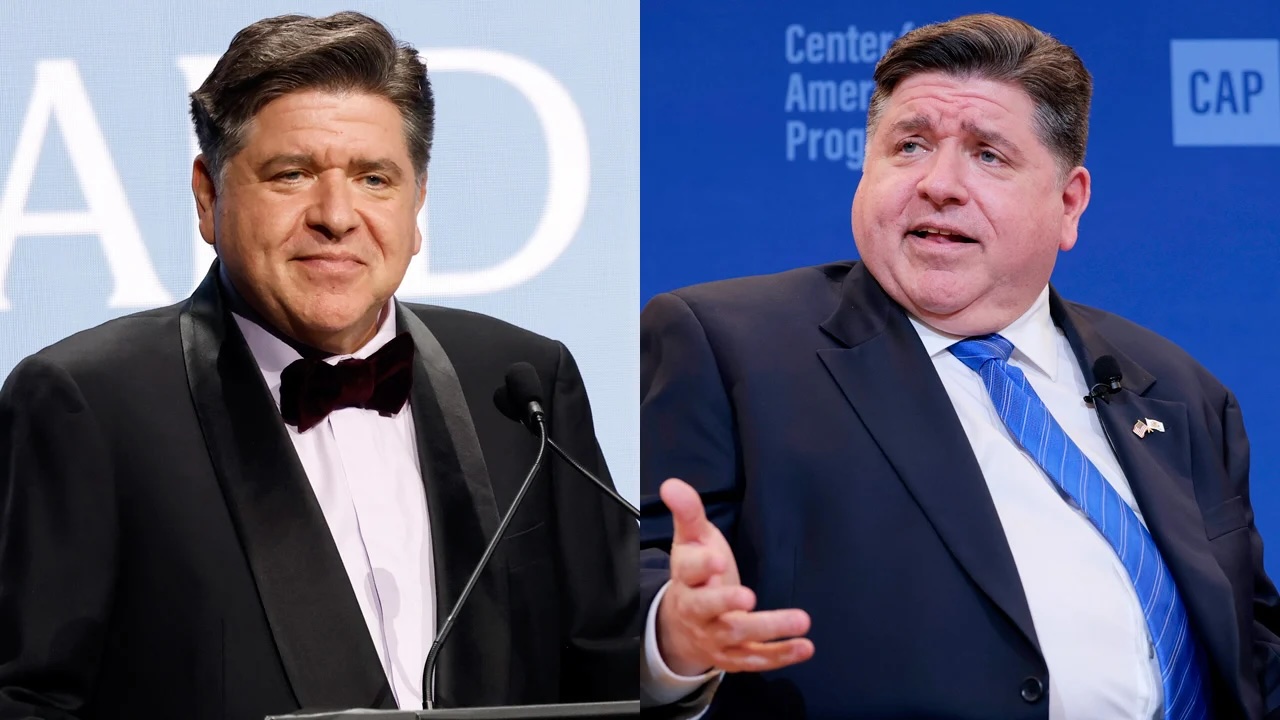
Gov. JB Pritzker made headlines on Monday after revealing he has lost 80 pounds over the past two years using a GLP-1 medication following a diabetes diagnosis.
But while the governor may be getting smaller, the government he runs keeps getting bigger.
Pritzker may have lost a lot of weight, but it doesn’t hide the fact that, at the same time, Illinois’ state budget, under his watch, has kept getting heavier – leaving everyday, hardworking Illinoisans to pick up the tab for a government with an insatiable appetite for spending.
When Pritzker took office in January 2019, state general-funds spending was roughly $39 billion. Today, Illinois has a record $55.9 billion budget for fiscal year 2027 – roughly $17 billion more than when he entered office.
And there’s little evidence Springfield’s appetite is shrinking.
The latest budget alone contains more than $800 million in new taxes, according to the Illinois Policy Institute, which also calculates that Pritzker has enacted at least 57 tax increases since taking office.
The formula in Springfield has become predictable: spend more, tax more, and come back next year for more.
Families can’t operate that way. Businesses can’t operate that way. Yet the state government apparently can – even as Illinois continues to lose residents to other states and businesses weigh whether the cost of staying here is worth it.
Now even one of Illinois’ most iconic institutions is looking across the state line.
The Chicago Bears, a founding NFL franchise that has called Illinois home for more than a century, are actively pursuing a new stadium in Hammond, Indiana. In August, Bears President and CEO Kevin Warren said the organization’s “sole focus” was developing a world-class stadium and mixed-use project there. Two days later, Bears Chairman George McCaskey said, “The clarity is we’re moving forward in Hammond.”
The team hasn’t finalized a move, but the possibility of losing the Bears to Indiana should be impossible for Springfield to ignore.
Pritzker and his allies point to budgets his administration describes as balanced, credit upgrades, the elimination of the old bill backlog and growing rainy-day reserves as evidence of fiscal progress.
But those arguments don’t erase another reality: the Illinois government is spending dramatically more than it did when Pritzker arrived, and taxpayers are financing the difference.
For ordinary Illinoisans, there’s no government printing press and no billionaire family fortune waiting in reserve. When groceries, property taxes, utilities and gas all cost more, families have to make choices.
Springfield should understand the concept.
Instead, Pritzker’s Illinois keeps demanding more – more spending, more revenue, more taxes and fees, another record budget – while residents look elsewhere, employers weigh other states, and the Bears eye Indiana.
The governor may be shrinking.
Unfortunately for Illinois taxpayers, the bill keeps getting bigger.