


By Rob Russell, Guest Opinion Contributor
For more than three decades, I have served in law enforcement – including 20 years as a DuPage County Deputy Sheriff – and later as the Kane County Coroner. Across those 32 years, I’ve seen many threats to public safety, but nothing has devastated Kane County families like the rise of fentanyl.
This crisis, driven overwhelmingly by Mexican cartel trafficking networks, has inflicted loss at a scale we could not have imagined a decade ago.
Between 2018 and 2023, Kane County lost 417 people to opioid-related deaths. When adding conservative projections for 2024, the total climbs to nearly 482 lives lost – the vast majority involving fentanyl or other synthetic opioids. These were not local manufacturing issues or neighborhood drug disputes – they were the end result of a global drug pipeline controlled by violent cartels.
The trajectory is clear. In 2018, Kane County recorded more than 70 opioid deaths, nearly tripling levels from earlier years. The crisis peaked in 2021 with 78 deaths, the highest in our history. Toxicology showed fentanyl present in 80–90% of those cases.
This wasn’t a coincidence. It was the direct consequence of fentanyl flooding into the U.S. through cartel distribution routes.
But in recent years, something significant has shifted.
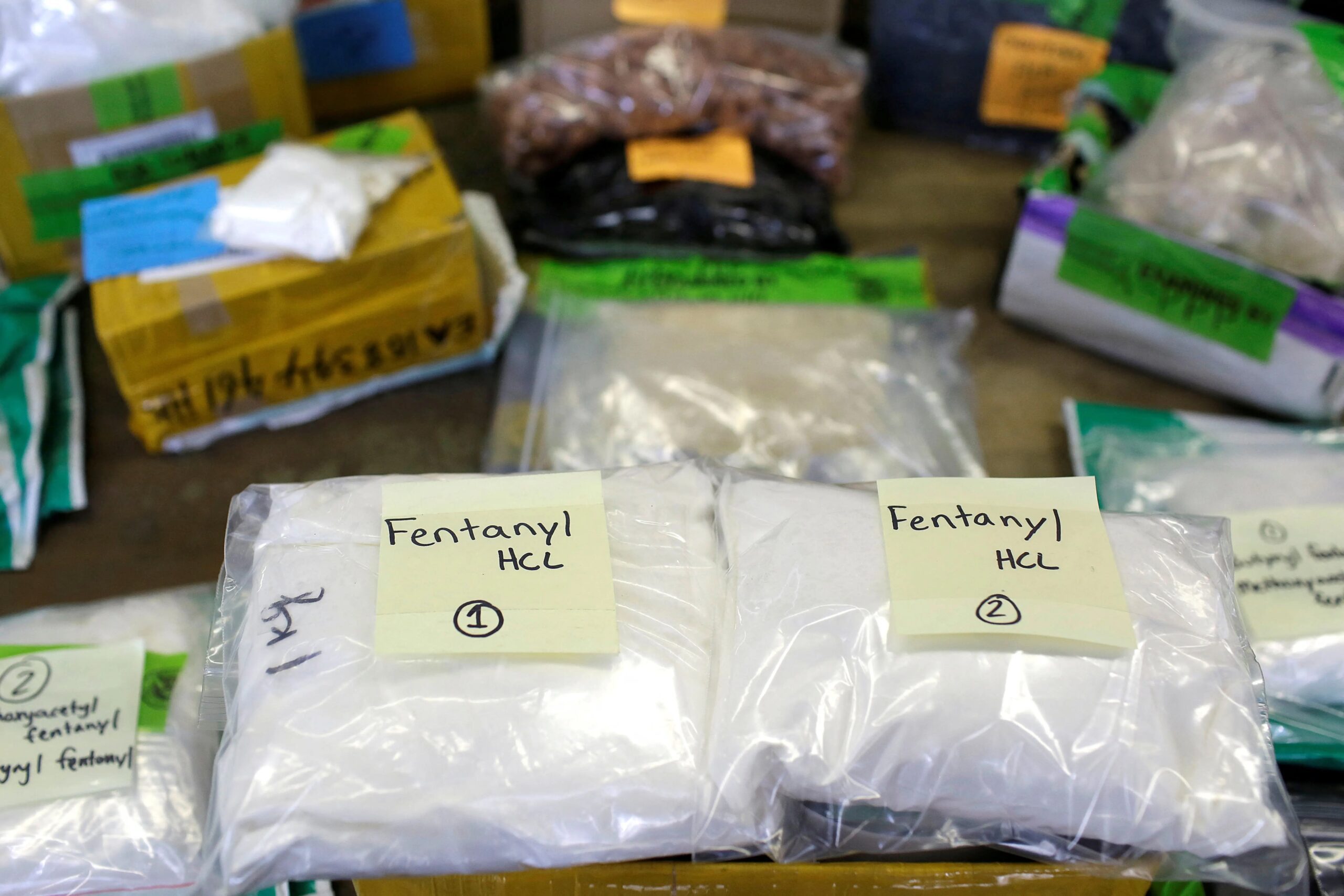
Starting in 2022, the United States dramatically intensified operations targeting fentanyl-producing cartels. Federal agents seized more than 27,000 pounds of fentanyl in fiscal years 2023-2024 – record-breaking amounts. At the same time, the global fight expanded in ways many people never hear about.
Off the coast of Venezuela, U.S.-aligned forces intercepted and destroyed cartel trafficking vessels, blowing up boats that were carrying chemical precursors and bulk fentanyl products. These maritime routes are essential for supplying Mexican cartels with the raw materials needed to produce fentanyl pills and powder destined for the United States.
When those vessels were destroyed, entire supply lines were cut. Every boat taken out prevented millions of lethal doses from ever reaching American soil – or the Chicago-area pipelines that ultimately feed into Kane County.
Those upstream disruptions are now reflected in our local numbers. Kane County opioid deaths fell to 71 in 2023, a nearly 10% decline from the year before. Statewide provisional data shows another 8–10% drop in 2024, consistent with decreased fentanyl availability. These improvements represent real families spared from unspeakable loss.
Local intervention paired with global action made this possible. During my tenure as coroner, we distributed thousands of Narcan kits, installed naloxone vending machines, expanded overdose investigations, and strengthened cooperation with federal partners monitoring cartel trends. These efforts saved lives – but their impact grew because the international supply was finally being disrupted at the source.
The war on the cartels may take place at the border, in international waters, and thousands of miles from Illinois – but the results are felt right here in Kane County. The decline in fentanyl deaths is not an accident. It is the product of coordinated global pressure, strategic interdictions, and persistent local prevention.
And for the first time in years, the data shows real progress – and real hope for families across our community.
–
Rob Russell served as the Kane County Coroner from 2013 to 2024, leading the office through some of the most challenging years of the opioid epidemic. Prior to his tenure as coroner, Russell spent 20 years with the DuPage County Sheriff’s Office, serving as a Deputy Sheriff from 1993 to 2013. His three decades of experience in law enforcement and forensic leadership have made him one of the region’s most knowledgeable voices on public safety, overdose prevention, and community health.

Tribune editorial raises serious questions about Hoffenberg’s judgment after concluding she used her taxpayer-funded position to block her political opponent’s request for public recordsBy Illinois ReviewOn Thursday, the...
Read moreDetails