


By Illinois Review
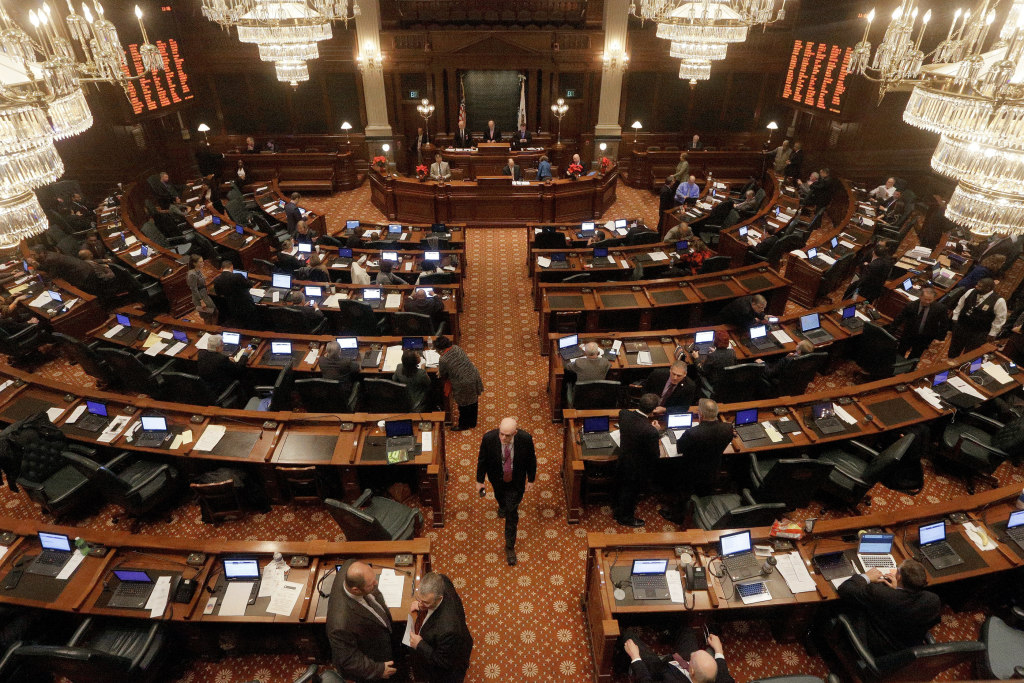
While Illinois residents prepare to absorb more than $800 million in new taxes and fees, lawmakers in Springfield have approved a budget that also includes pay raises for themselves – pushing total compensation for many legislators to as much as $128,000 annually.
In the early morning hours of June 1, the Illinois General Assembly passed a record $55.9 billion budget for Fiscal Year 2027, the largest spending plan in state history. The budget package, approved after marathon negotiations that stretched beyond the May 31 adjournment deadline, includes automatic cost-of-living salary increases for members of the General Assembly.
The raises are embedded within the overall appropriations package and are scheduled to take effect July 1, pending Governor JB Pritzker’s expected signature.
Base salaries for Illinois legislators have steadily increased through annual cost-of-living adjustments and now exceed $93,000 per year. However, that figure represents only a portion of lawmakers’ total compensation. When leadership stipends, committee assignments, and per diem payments are added, compensation for many legislators exceeds $120,000 annually, with some lawmakers earning as much as $128,000.
The compensation levels have generated criticism because Illinois operates as a part-time legislature. While lawmakers participate in committee hearings, district events, and constituent services throughout the year, the General Assembly typically spends only about 50 days in formal session annually in Springfield.
Republicans unanimously opposed the budget package, citing concerns over spending growth and the inclusion of more than $800 million in new taxes. However, despite voting against the legislation, Republican lawmakers will still receive the same automatic pay increases as their Democratic counterparts.
The budget includes new taxes and revenue measures targeting digital advertising, cryptocurrency transactions, fantasy sports wagering, nicotine products, and other industries.
Democratic leaders defended the package as necessary to maintain state services, fully fund pension obligations, and increase K-12 education funding by $350 million without raising broad-based income taxes.
Supporters also point to Illinois’ recent credit rating improvements and reserve fund growth as evidence that the state’s finances are improving.
Fiscal watchdog groups warn that continued spending growth combined with new taxes could further accelerate the exodus of residents and businesses from Illinois. Since 2020, more than 500,000 residents and over 1,200 businesses have reportedly left the state, citing high taxes, regulation, and economic concerns.
For taxpayers, the optics are difficult to ignore. While lawmakers from both parties are poised to receive larger paychecks beginning July 1, Illinois families and businesses will soon be paying hundreds of millions of dollars more to support the largest budget in state history.
Whether they voted for the budget or against it, every member of the General Assembly will share in one of its benefits: a larger paycheck funded by Illinois taxpayers.

By Illinois ReviewChicago has been eliminated from consideration to host the 2028 Democratic National Convention, dealing another setback to Gov. JB Pritzker as he works to expand his...
Read moreDetails