

By Mark Vargas, Editor-in-Chief & Opinion Contributor
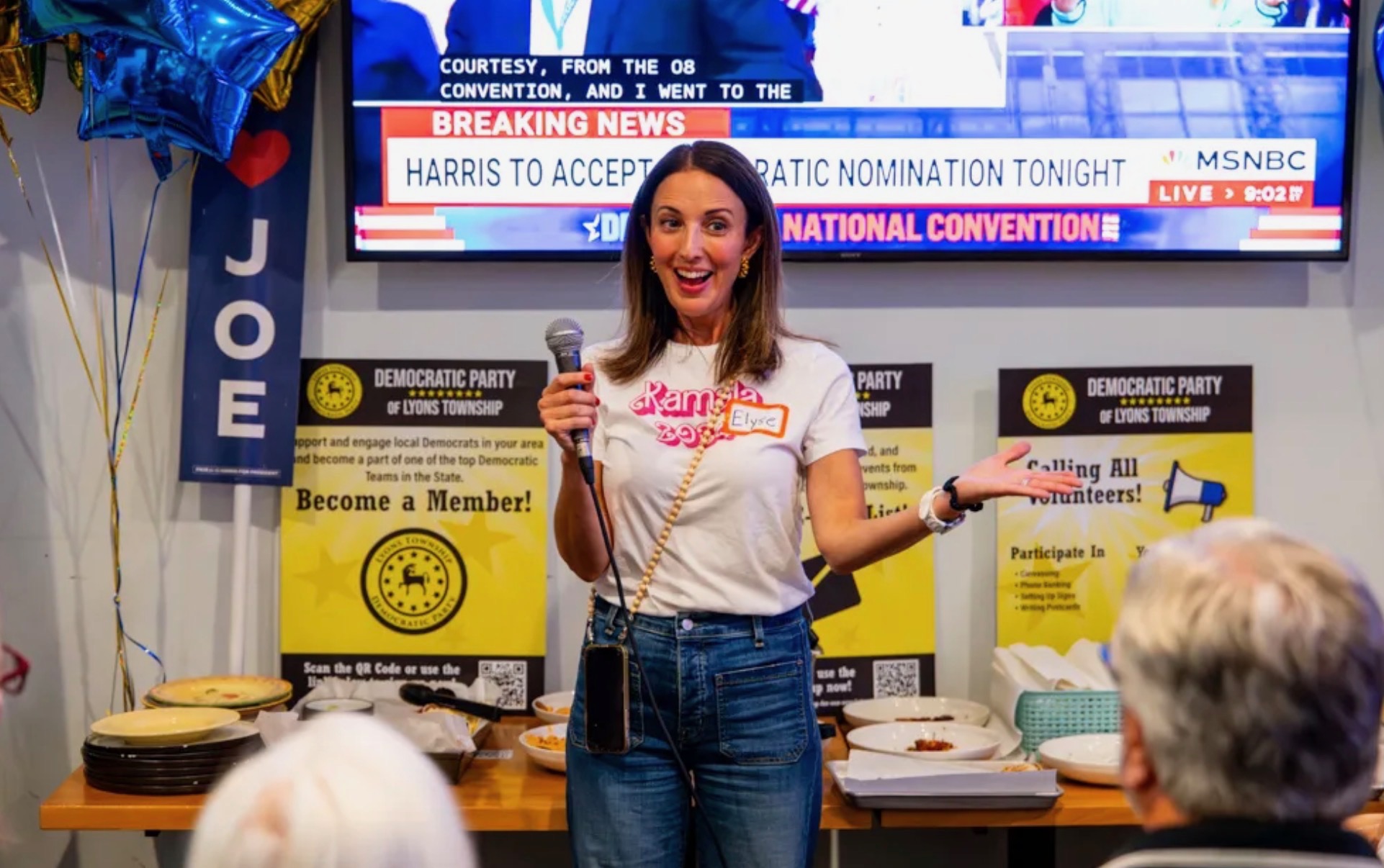
Lyons Township Clerk Elyse Hoffenberg went to police with serious allegations of corruption against a fellow public official, including claims of a ghost payroll, taxpayer-funded travel for a girlfriend and even rumors of gang connections.
But when a reporter asked for evidence to back up those accusations, the records produced by her own office failed to substantiate them.
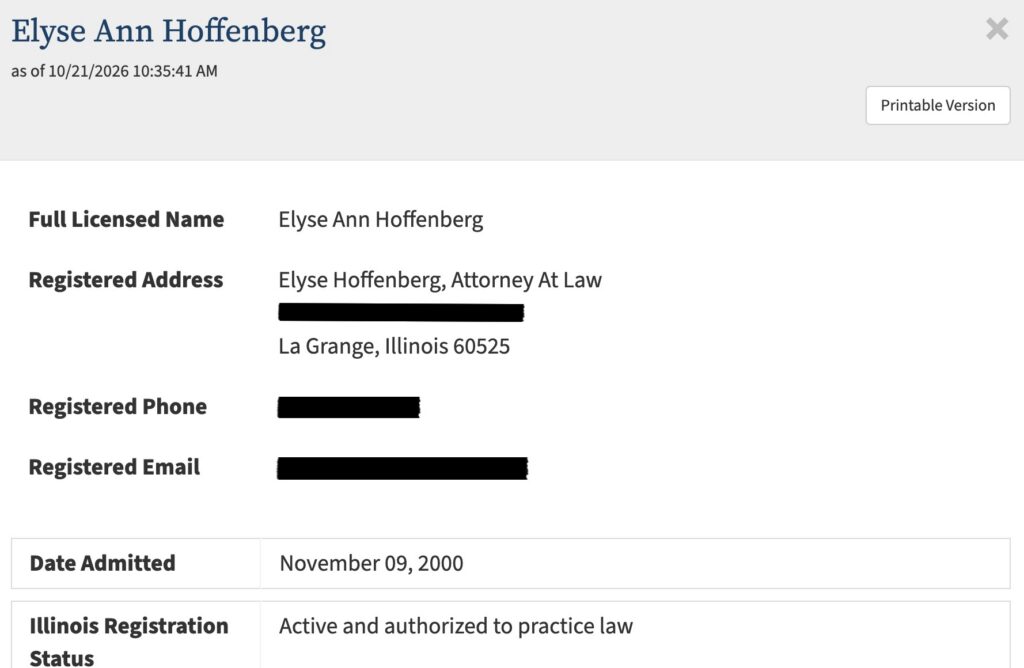
And here’s what makes this even more troubling: Hoffenberg isn’t just an elected official running for higher office. She’s also a licensed Illinois attorney who has been a member of the bar for more than 25 years.
According to the Attorney Registration and Disciplinary Commission, Hoffenberg was admitted to practice law in November 2000 and remains in active status.
As an officer of the court, she should know better.
On August 22, Hoffenberg and her husband, Jeff, visited the La Grange Police Department to report alleged harassment. According to a police report obtained by Patch, Hoffenberg accused Lyons Township Supervisor Christopher Getty, who also serves as mayor of Lyons, of engaging in “corrupt things such as having his brother-in-law on a ghost payroll, paying for his girlfriend to travel, etc.”
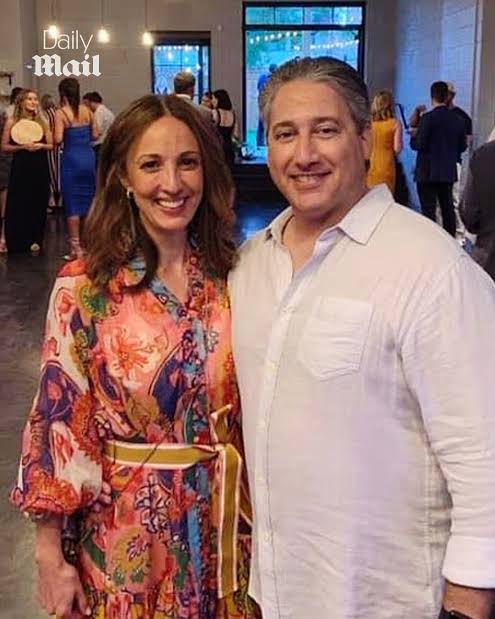
The couple also repeated rumors that the Getty family had connections to gang activity, and said they had been warned for years not to cross the family.
These were serious allegations brought to law enforcement. And the questions surrounding the evidence behind them deserve answers.
On October 13, Patch reporter David Giuliani reported that he had filed a Freedom of Information Act request for documents supporting Hoffenberg’s corruption allegations.
Hoffenberg handles FOIA requests for the township, and she responded within days.
Her office produced no records establishing a ghost payroll. It produced no documentation showing that Getty’s brother-in-law had improperly received taxpayer-funded compensation. What it did produce were expenses from a Washington, DC trip four years earlier.
Among them was a $70 airline charge with a handwritten note reading “Chris’s girlfriend.” Elsewhere on the same statement, someone had written two other words: “error” and “repay.”
Getty told Patch the charge was a mistake and had been repaid three years earlier. The handwritten notations appear consistent with his explanation, although they do not independently establish repayment. He strongly denied Hoffenberg’s accusations and called the police report full of false allegations.
Patch asked Hoffenberg whether the documents showed any additional misuse of taxpayer funds.
She did not respond.
If she has evidence beyond what the township’s files contain, she has every opportunity to produce it. That silence is troubling from an elected official.
From an elected official who is also an attorney, it raises more serious questions.
Lawyers are trained to distinguish allegations from evidence and rumors from established facts. Having been admitted to the Illinois bar more than 25 years ago, Hoffenberg should certainly understand that distinction. Under Illinois law, knowingly reporting an alleged offense to police without reasonable grounds to believe it occurred can be a Class 4 felony.
That does not mean Hoffenberg committed a crime. The law requires proof that the person knew there were no reasonable grounds for the report, and her failure to produce supporting records does not establish that she knowingly made a false report.
Attorneys, however, are also held to professional standards. Rule 8.4 of the Illinois Rules of Professional Conduct prohibits conduct involving dishonesty, fraud, deceit or misrepresentation.
Those obligations can apply outside the practice of law, including to attorneys who hold public office.
That raises a legitimate question.
If a licensed attorney accuses another public official of running a ghost payroll, and the records produced by her own office do not substantiate the accusation, shouldn’t the Attorney Registration and Disciplinary Commission examine what evidence she relied on?
An investigation would not presume wrongdoing. Its purpose would be to get answers.
This controversy follows criticism of how Hoffenberg handled FOIA requests for surveillance footage that shows Bridgeview Mayor Steve Landek kissing her inside her taxpayer-funded office after hours.
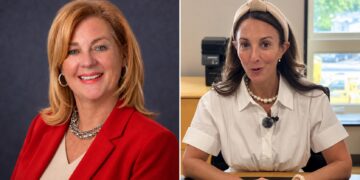
The Chicago Tribune Editorial Board endorsed Republican Liz Gorman for Cook County Board on October 15. In that endorsement, it criticized Hoffenberg for having “used her official position to block her election opponent’s initial FOIA request” for the footage.
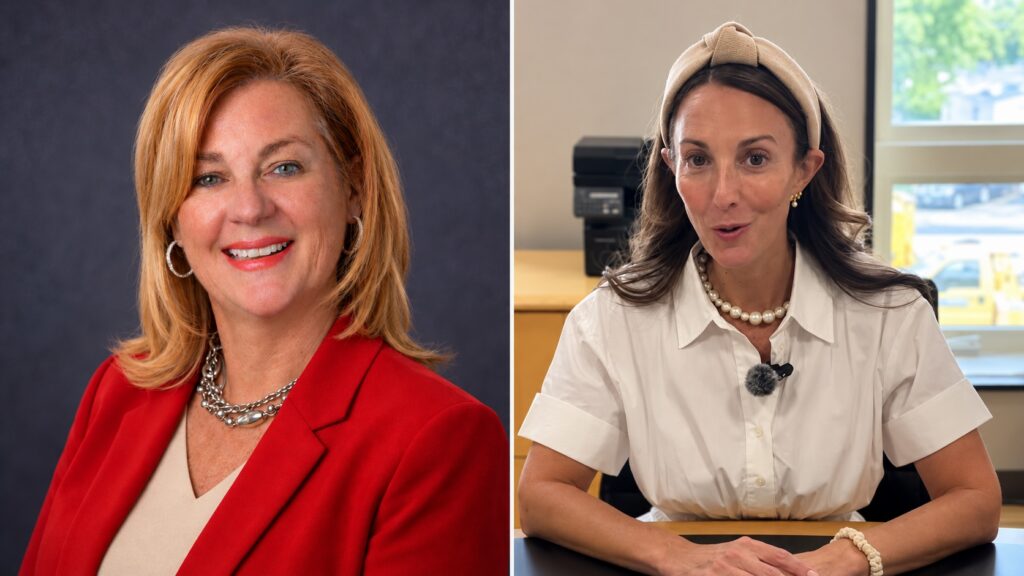
Reform for Illinois Executive Director Alisa Kaplan has also criticized Hoffenberg for using footage from a taxpayer-funded township event in a political campaign advertisement.
Illinois Review has previously called on the Illinois Attorney General to review how the township handled the records requests for the surveillance video. The latest Patch reporting raises another troubling question about Hoffenberg’s judgment.
Hoffenberg has every right to report suspected wrongdoing. But when an elected official brings serious corruption allegations to police, the public has every right to ask what evidence supports them.
District 17 voters will soon decide whether Hoffenberg deserves higher office. They should weigh not only her campaign promises, but how she has exercised the authority she already holds.
Hoffenberg brought serious allegations of corruption to police. When asked for evidence, her own office produced records that failed to substantiate them.
The public deserves an explanation.
And voters deserve to know that the accusations Hoffenberg made to police remain unsupported by the records her office provided.