


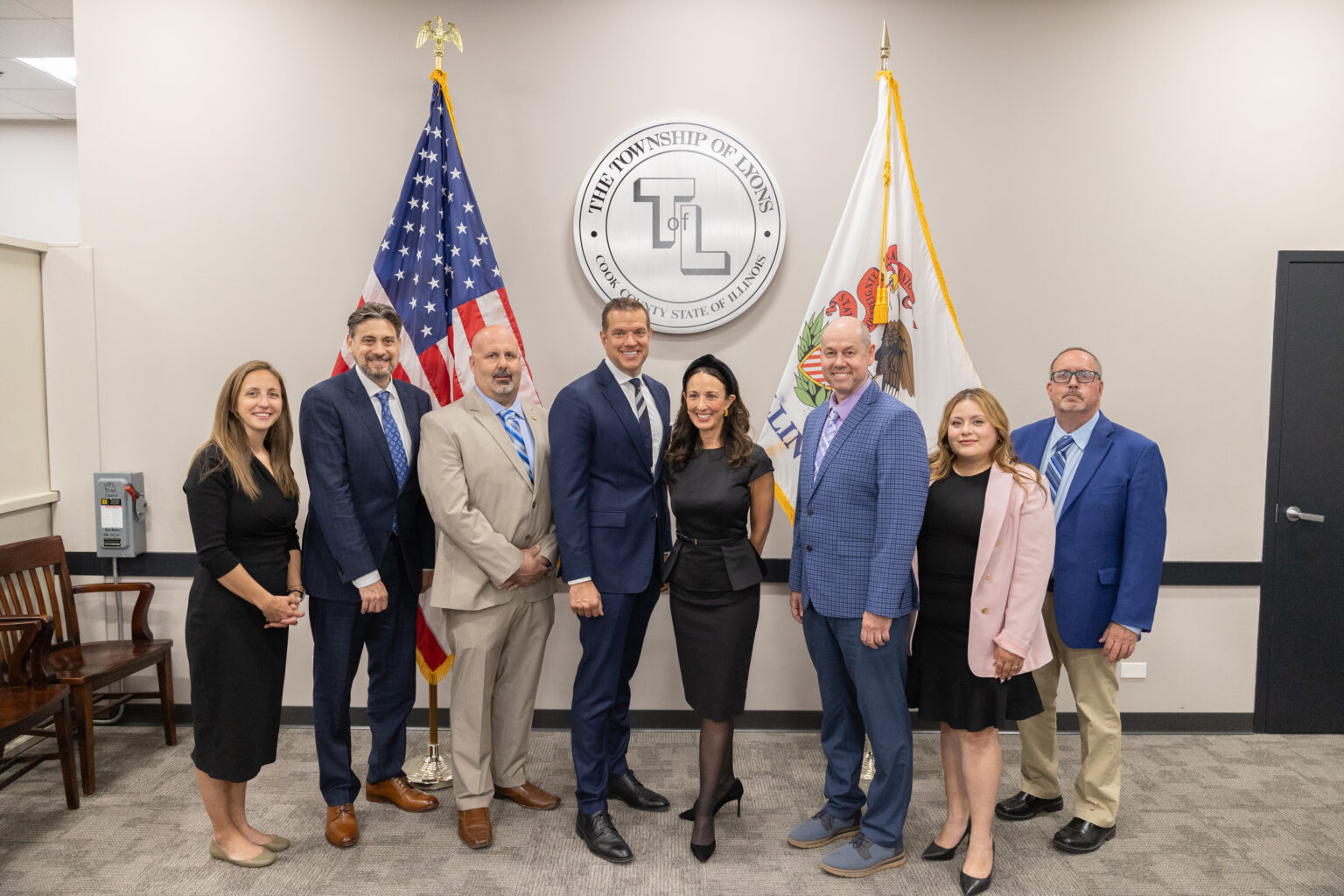
By Illinois Review
Lyons Township’s after-hours kiss controversy has now moved beyond whether the incident was a “peck” or something more.
The larger question is whether public records potentially responsive to a Freedom of Information Act request were downloaded and deleted — and whether complete copies still exist.
That question is especially significant because Township Clerk Elyse Hoffenberg, the Democratic candidate for Cook County Board’s 17th District, is running directly against Republican nominee Liz Gorman — the person seeking the surveillance footage through FOIA.
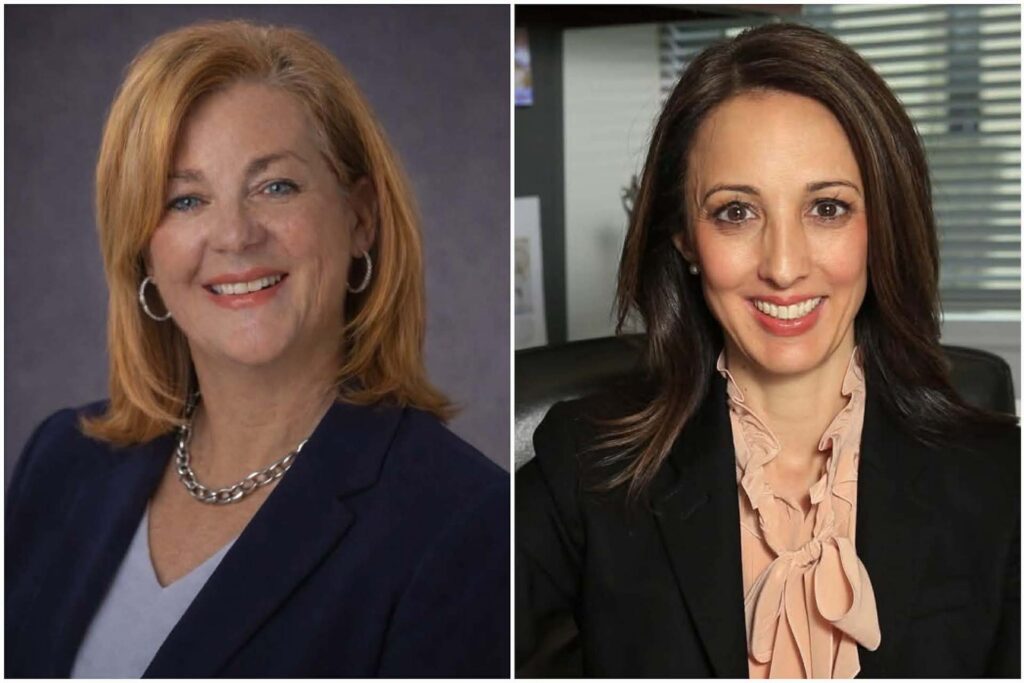
Hoffenberg also serves as Lyons Township’s FOIA officer, giving her a central role in handling the very records request submitted by her political opponent.
On Tuesday, Patch reported that Hoffenberg told the township’s camera vendor that Supervisor Christopher Getty had downloaded surveillance footage and then deleted it. Hoffenberg asked the vendor to help recover the files so they could be produced.
An employee in Getty’s office offered a different account, saying only camera-position footage was downloaded, determined to be unrelated and later deleted.
The vendor reportedly said the surveillance system is stored off-premises and suggested checking a township desktop recycle bin for recoverable copies.
Meanwhile, Gorman’s narrowed FOIA request for after-hours footage from the clerk’s office — including the evening of July 13 — passed its response deadline without the requested video being released.
Gorman told Patch she still had not received it.
Hoffenberg, who reportedly appears in the footage and controls the township’s FOIA process as its FOIA officer, later said she had retained counsel and would not comment further.
That combination — a candidate appearing in disputed footage while also overseeing a FOIA request from her political opponent seeking that footage — warrants independent review by the Illinois Attorney General’s Public Access Counselor.
Illinois law provides strong protections for public records. Records held by public bodies are generally presumed open unless an exemption applies, and public records cannot be intentionally destroyed to avoid disclosure.
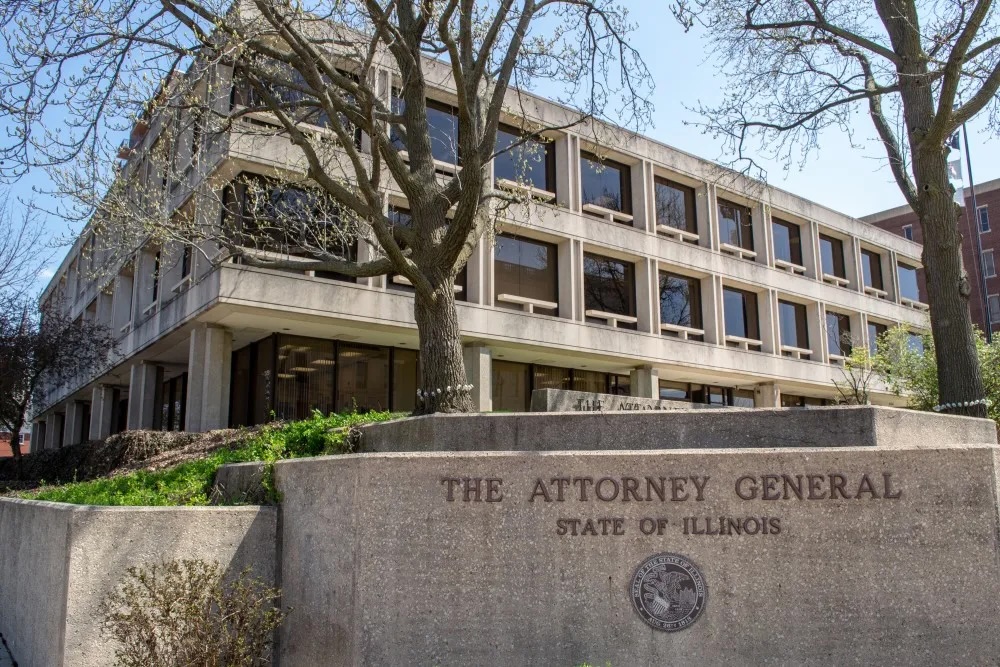
If footage responsive to an active FOIA request was deleted after the request was submitted, investigators should determine who deleted it, when it was deleted, why it was deleted and whether Illinois law was violated.
The Local Records Act also governs the destruction and retention of public records. Township surveillance footage is not the personal property of any elected official.
Hoffenberg has already asked the attorney general to examine Getty’s access to the surveillance archive. That inquiry should be expanded — or a separate review initiated — to examine the handling of Gorman’s FOIA request and any deletion of responsive footage.
Illinois Review is calling on the Illinois Attorney General’s Public Access Counselor to determine:
Were recordings responsive to Gorman’s FOIA request deleted after the request was submitted?
Who downloaded, moved or deleted those recordings, and under what authority?
And do complete copies still exist with the vendor, in backups or on township devices?
Investigators should obtain the relevant access logs, metadata, retention records and communications surrounding the footage.

The kiss itself is a political story. The possible destruction of public records sought by a candidate from the office controlled by her political opponent is a government-integrity story.
The Attorney General should treat it that way.
Produce the logs. Recover the footage if it still exists. Determine what happened — and whether Illinois law was violated.
The public is entitled to the answer.