

By Mark Vargas, Editor-in-Chief & Opinion Contributor
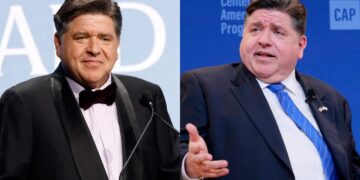
Gov. JB Pritzker says a weekly GLP-1 shot changed his life – 80 pounds gone after two years of treatment following a diabetes diagnosis.
Good for him.
But while the governor has found something that helped curb his appetite, the Illinois state government has spent years moving in the opposite direction.
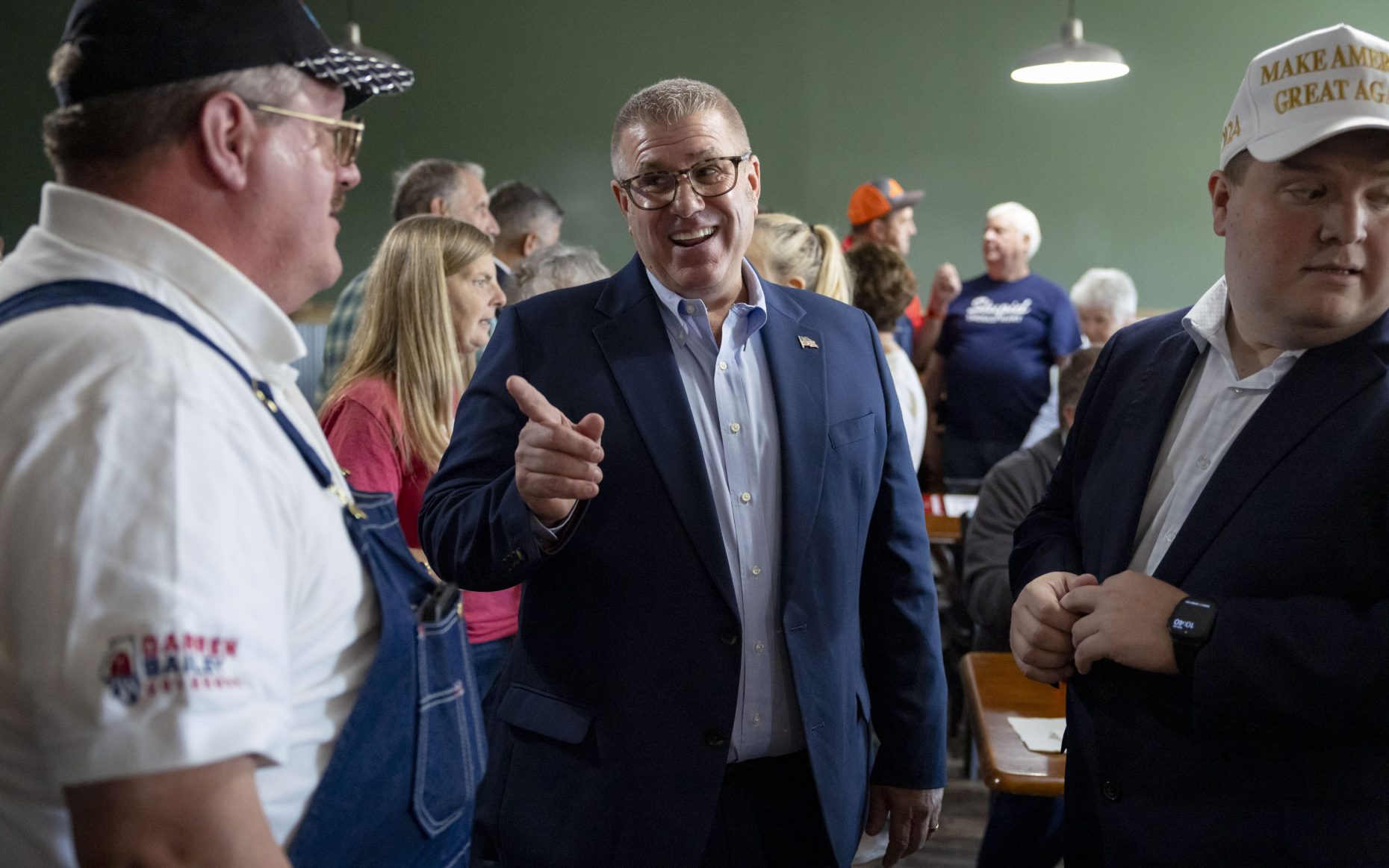
Enter Darren Bailey.
The former state senator, farmer and 2026 Republican nominee for governor is making his second run against Pritzker, and this time one of his central fiscal pitches amounts to a political GLP-1: put Springfield on a diet.
When Bailey first ran for the Illinois House, the state budget was roughly $32 billion. Today, the enacted fiscal year 2027 General Funds budget is $55.9 billion. That’s not a growth spurt – that’s the kind of unchecked weight gain that lands a budget on a doctor’s “we need to talk” list.
Bailey’s prescription is a proposed “Illinois DOGE” – a state-level government-efficiency initiative designed, he says, to go through Springfield’s spending, audit agencies and programs, scrutinize boards and commissions, and identify duplication, waste and questionable expenditures.

Bailey has emphasized that his version would not be a mass-layoff exercise.
In other words: less crash diet, more portion control. And that’s where the GLP-1 analogy practically writes itself.
GLP-1 drugs work in part by reducing appetite and food intake. Bailey’s argument is that Springfield needs the fiscal equivalent: figure out what the government is consuming, identify what it doesn’t need and finally get its appetite under control.
Pritzker’s record offers a clear contrast. State spending has climbed substantially during his time in office, while his administration points to balanced budgets, credit upgrades and stronger reserves as evidence of improved fiscal management.
Bailey’s case is that those accomplishments don’t answer the larger question: why does the Illinois government continue to cost so much more?
There’s also an important caveat. Bailey did not identify specific large-scale cuts when he introduced Illinois DOGE, and outside reporting noted that the proposal still lacked detail about exactly how much money it would save.
That matters.
Wanting a GLP-1 shot and sticking with the regimen are two different things. Pritzker’s own weight loss didn’t happen overnight. Neither would restructuring a state government with a nearly $56 billion General Funds budget.
But Bailey has made the metaphorical diagnosis clear: Springfield, in his view, has an appetite problem.
Pritzker found a GLP-1.
Bailey is proposing DOGE.
And in a state where the budget keeps getting heavier, the question now is whether Illinois voters think Springfield needs to go on a diet.