

Illinois Review
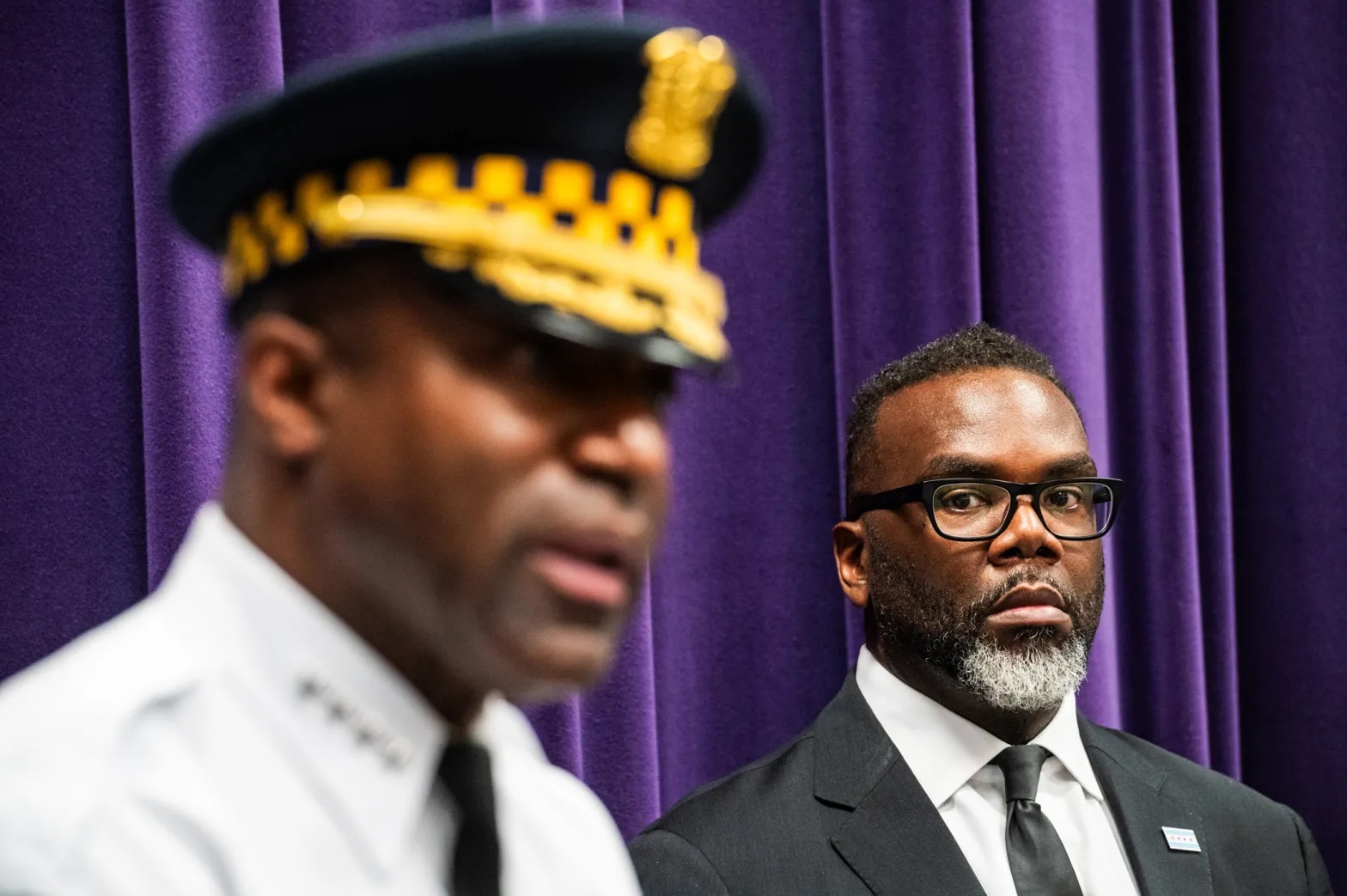
A stunning report from FOX 32 Chicago is shedding new light on what critics have long suspected: anti-police sentiment may be deeply embedded inside Chicago Mayor Brandon Johnson’s administration.
Manny Whitfield, a former top aide who worked on community safety initiatives, is now speaking out after being fired last week alongside former Deputy Mayor for Public Safety Garien Gatewood. His allegations are serious — and they raise troubling questions about leadership in a city already struggling with violent crime.
Whitfield did not mince words. He stated plainly that there is a “level of hostility” toward law enforcement within the mayor’s office. According to Whitfield, that hostility was not isolated. He described it as part of the culture among Johnson and his senior leadership team.
“Absolutely there is a level of hostility, and it was our job to balance that out,” Whitfield said in the FOX 32 interview.
Even more troubling, Whitfield revealed that he and Gatewood had to push the mayor to perform one of the most basic duties of leadership — visiting injured police officers in the hospital. According to Whitfield, these visits were not automatic and required internal pressure.
At a time when police officers are risking their lives daily, the claim that the mayor needed to be urged to show support raises further concerns about City Hall’s posture toward law enforcement.
Whitfield and Gatewood had already filed complaints with the city’s inspector general months earlier, alleging a hostile work environment within the mayor’s office. Their sudden dismissals are now fueling concerns that dissenting voices — particularly those viewed as supportive of law enforcement — are being pushed out.
Mayor Johnson has denied the allegations, insisting there is no widespread hostility toward police and framing the firings as routine personnel decisions.
The controversy comes as Chicago continues to grapple with violent crime, declining police morale, and growing concerns about public safety. The impact is already being felt. In 2024, more than 225,000 high-priority 911 calls in Chicago reportedly went unanswered — a figure widely attributed to officer shortages and low morale.
The claims from Whitfield add to broader concerns about staffing levels, response times, and the city’s ability to meet basic public safety demands.
As Chicago confronts ongoing crime challenges, the role of City Hall in supporting law enforcement is likely to remain a central issue for voters, taxpayers, and families across the city.
Whether these allegations prompt further investigation or policy changes remains to be seen. But the episode underscores a growing divide over policing policy — and how those decisions are affecting public safety on Chicago’s streets.