

By Illinois Review
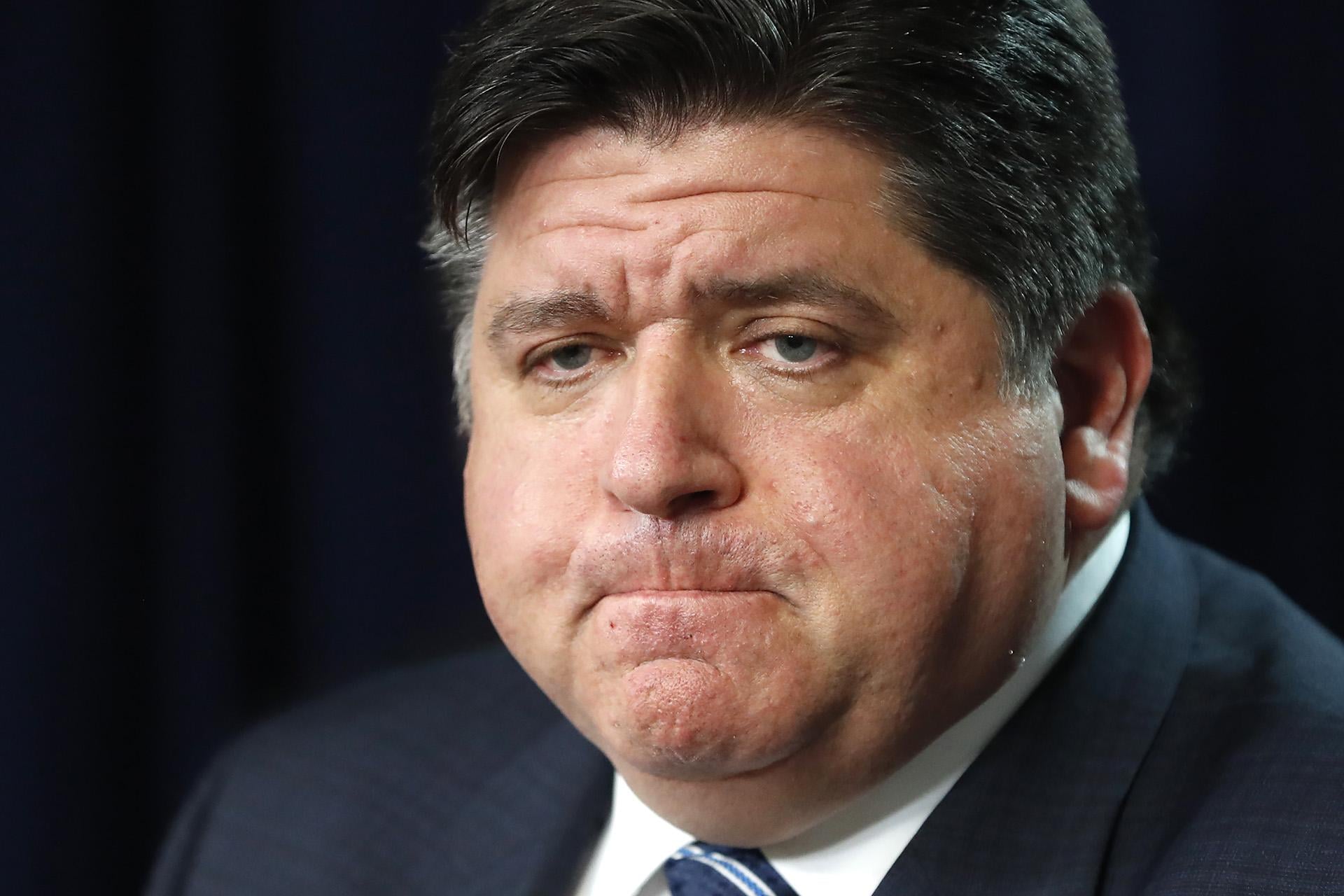
Illinois Gov. JB Pritzker may enjoy media attention on the left, but a new poll out of New Hampshire shows he is nowhere close to frontrunner status in the race Democrats are already quietly gaming out for 2028.
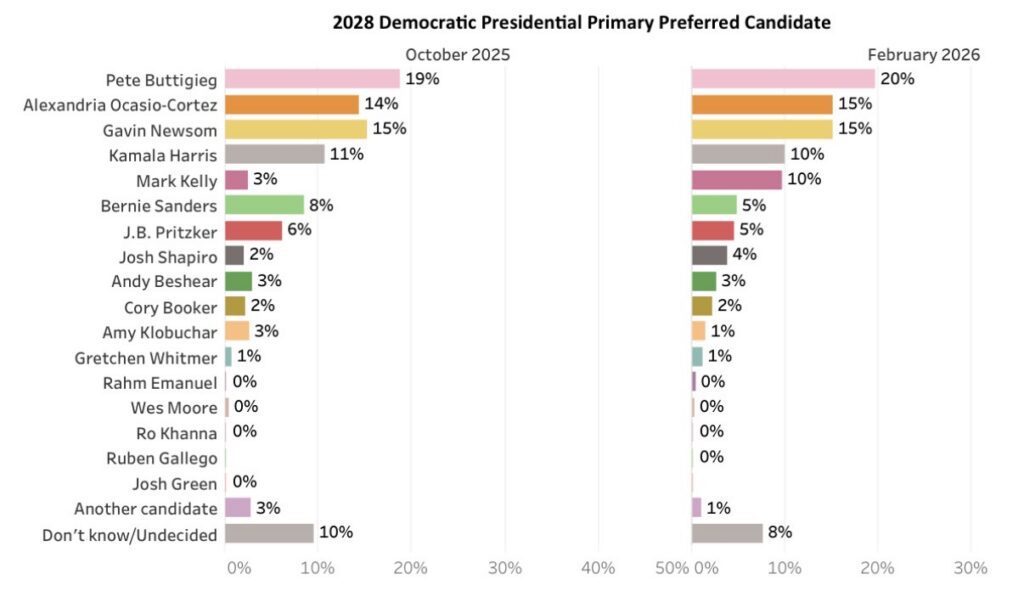
According to the latest University of New Hampshire Survey Center Granite State Poll, released February 19, 2026, Pritzker is stuck at just 5 percent among likely Democratic primary voters in New Hampshire.
That puts him near the bottom of the field and far behind the top contenders.
Former Transportation Secretary Pete Buttigieg leads with 20 percent, while California Gov. Gavin Newsom and Rep. Alexandria Ocasio-Cortez are tied at 15 percent. Vice President Kamala Harris and Sen. Mark Kelly each sit at 10 percent.
For a governor often floated by political insiders as a possible presidential candidate, that is a brutal reality check.
Pritzker is not emerging as a national force. He is barely registering.
That matters because New Hampshire remains one of the most closely watched proving grounds in presidential politics. Even in a very early poll, the state offers a snapshot of which candidates are gaining traction and which ones are failing to connect.
In this case, Pritzker’s 5 percent showing suggests what many outside Illinois already know: he remains largely unknown on the national stage and does not inspire much excitement among rank-and-file Democrats.
That should be especially troubling for Pritzker given how aggressively he has tried to position himself as a major voice in the Democrat Party. He has leaned hard into the party’s far-left culture, embraced progressive talking points, and governed Illinois as a laboratory for big-government liberalism.
But the latest polling suggests that approach is not translating into broad national appeal. In fact, it may be doing the opposite.
Pritzker’s brand is built on appealing to the activist left, not traditional Democrats who still want a candidate that sounds normal, competent, and electable. In a state like New Hampshire, where Democrats have often rewarded more pragmatic or establishment-friendly candidates, that matters.
Buttigieg’s lead fits that pattern. Pritzker’s weak showing does too.
For Illinois voters, the poll is another reminder that Pritzker’s national ambitions may be badly out of step with political reality. While he may dream of the White House, voters in one of the country’s most important early primary states are not buying what he is selling.
Five percent is not momentum. It is not strength. And it is certainly not frontrunner territory.
If anything, it is a warning sign that the governor’s effort to become a national Democrat star is falling flat. He may be a billionaire with endless resources and plenty of media cheerleaders, but money cannot force voters to care.
Right now, the numbers are clear. Pritzker is polling near the bottom, not the top. For a man with presidential ambitions, that is a humiliating place to be.