

By Illinois Review
As Illinois families continue to struggle under the weight of rising costs, Republicans in the Illinois House are once again turning their attention to a familiar issue: property taxes.
But critics say this narrow focus exposes a deeper problem – an unwillingness to confront the root cause of the state’s financial crisis under Gov. JB Pritzker and decades of one-party Democrat control.
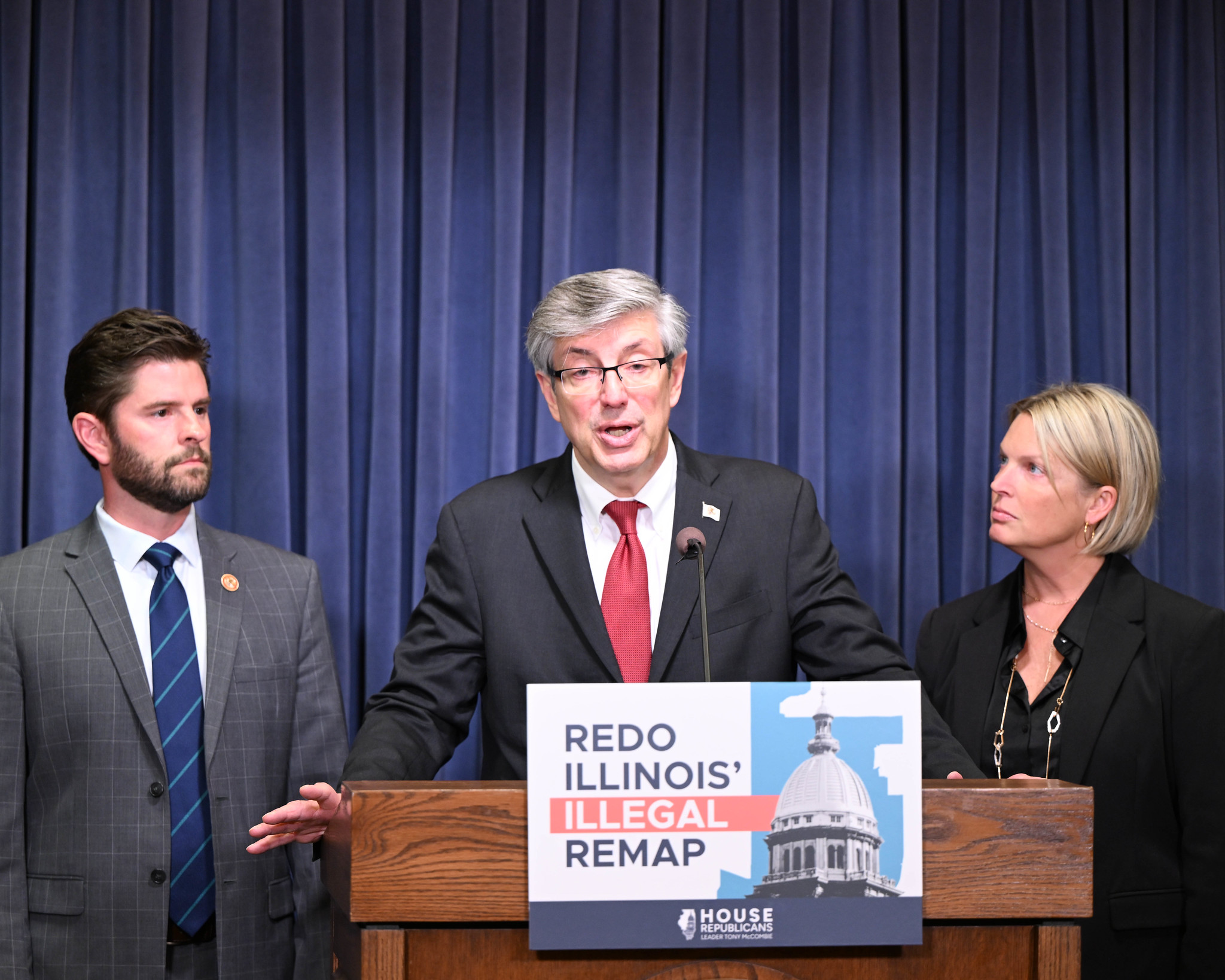
This week, State Representative Dan Ugaste and several House Republicans announced the formation of a “Property Tax Relief Conference,” alongside an open letter outlining conditions for supporting major development projects, including a proposed stadium deal tied to the Chicago Bears.
Ugaste and his colleagues argue that Illinois families are being “crushed” by high property taxes and say they are stepping up where Democrats have failed. The group insists any future deals – such as incentives to keep the Bears in Illinois – must include meaningful, statewide property tax relief and avoid increasing the burden on taxpayers.
But for many conservative voters, this message rings hollow.
Property taxes have long been a top issue in Illinois politics. Yet focusing on tax relief alone ignores the deeper dysfunction driving those costs: runaway government spending, lack of oversight, and systemic waste, fraud, and abuse.
That frustration was evident in the recent statewide campaign of Ted Dabrowski, a policy analyst who made property taxes the centerpiece of his message to voters. Despite the issue’s importance, Dabrowski lost by a staggering 25-point margin – raising serious questions about whether Republican leadership is truly aligned with voter priorities.
The reality is simple: Illinois residents already know property taxes are too high. What they want – and what they are not hearing enough from Republican lawmakers – is a serious plan to hold Democrats accountable for how taxpayer dollars are being spent.
Under Pritzker’s administration, Illinois’ budget has ballooned by tens of billions of dollars. Meanwhile, persistent concerns over wasteful spending, questionable contracts, and lack of transparency continue to grow. Yet House Republicans have largely avoided making these issues central to their agenda.
Instead, they return to property taxes – a safe, familiar talking point that avoids confronting the politically difficult task of exposing corruption and mismanagement in Springfield.
This approach risks making Republicans appear out of touch with both reality and their own constituents.
Voters are not just looking for incremental tax relief. They are demanding accountability. They want to know why government spending continues to rise while services lag. They want answers about where their money is going – and why no one seems to be held responsible.
By failing to aggressively pursue investigations into waste, fraud, and abuse, Republicans are missing a critical opportunity. More importantly, they are ceding the moral high ground on an issue that resonates deeply with taxpayers across Illinois.
The formation of a Property Tax Relief Conference may generate headlines in insider circles. But without addressing the underlying culture of spending and lack of accountability under one-party rule, it offers little more than political cover.
If Illinois Republicans want to rebuild trust and win elections, they must move beyond surface-level solutions. That means directly confronting the failures of Democrat leadership and making accountability – not just tax relief – their top priority.
Until then, many voters will continue to ask a simple question: why won’t anyone in Springfield take responsibility?