


By Roger Stone and Mark Vargas
Opinion
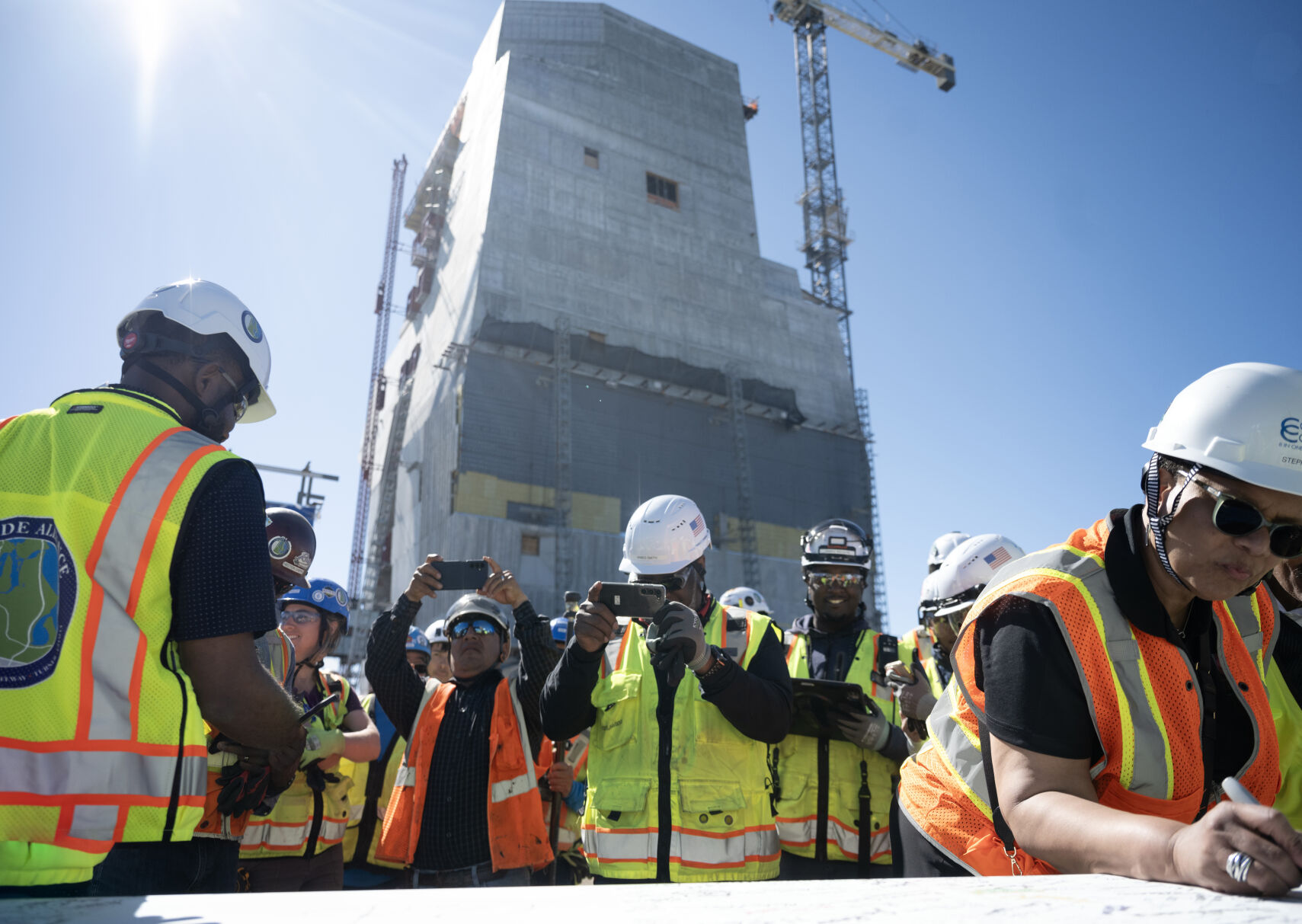
This week, the Obama Presidential Center will celebrate its long-awaited grand opening in Chicago. There will be speeches, celebrity appearances, glowing media coverage, and carefully choreographed tributes to “hope” and “change.”
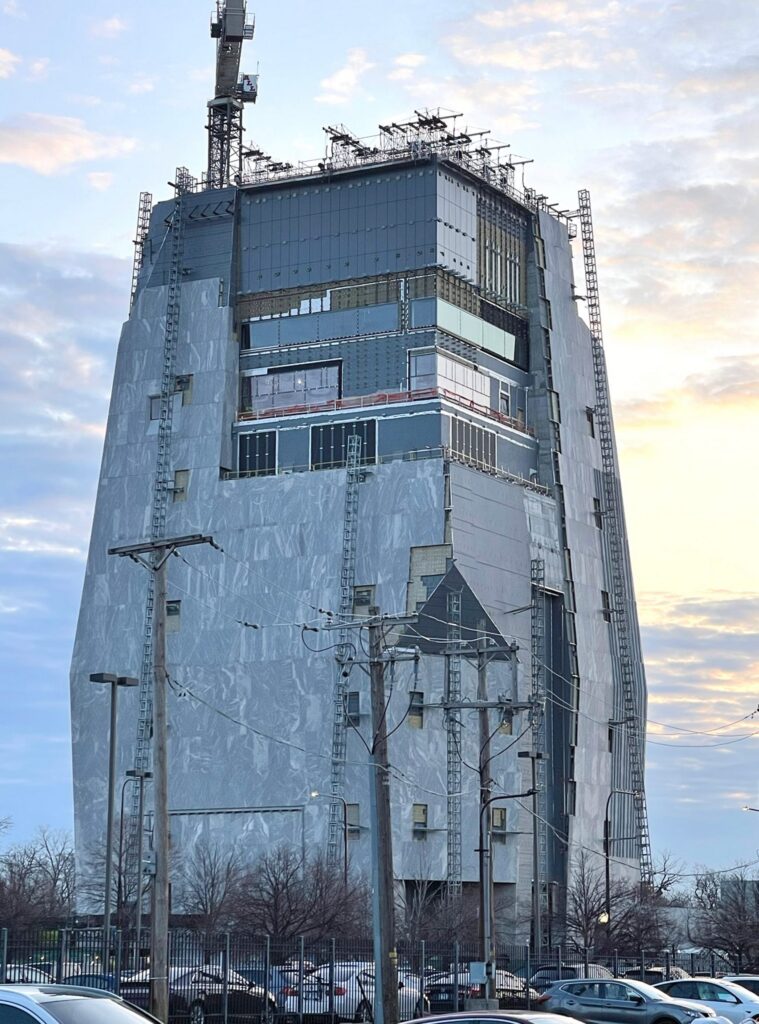
The official dedication is scheduled for June 18, with public access beginning on Juneteenth. But behind the polished granite, soaring architecture, and endless self-congratulation lies a much uglier story.
Multiple Black-owned subcontractors that helped build the Obama Center are reportedly owed millions of dollars and are now fighting to keep their businesses alive. The very entrepreneurs the project promised to uplift through its diversity, equity, and inclusion initiatives have instead become collateral damage in yet another elite progressive experiment.
It is a devastating irony.
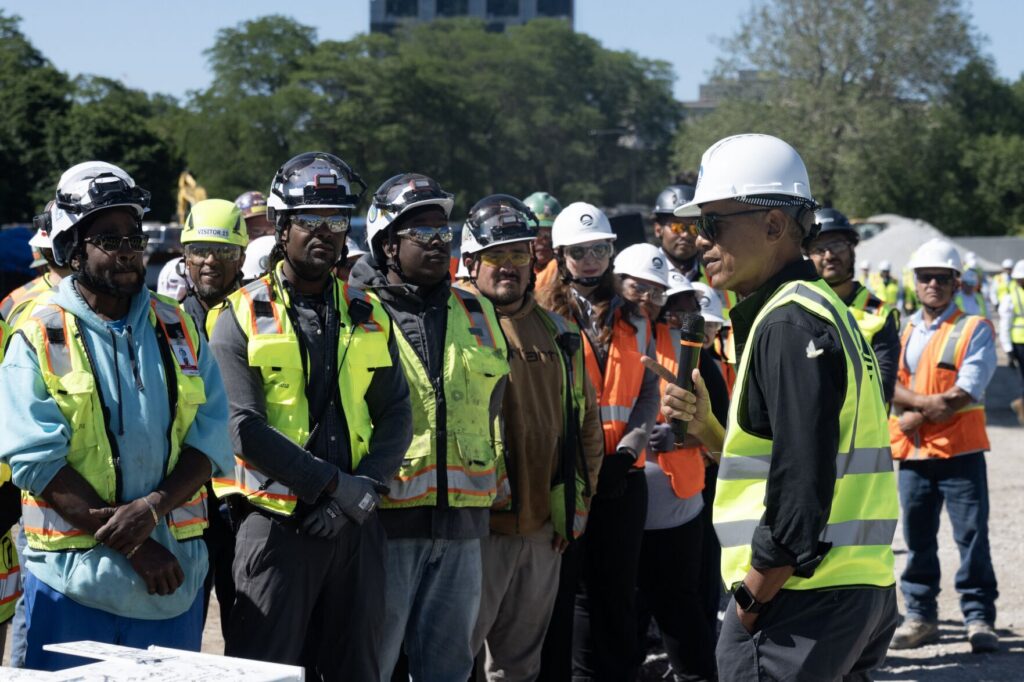
The Obama Presidential Center was sold to the public as more than a museum. It was marketed as an economic engine for Chicago’s South Side and a model for empowering minority-owned businesses.
The Obama Foundation and its partners repeatedly touted ambitious goals for local hiring and minority participation, portraying the project as a blueprint for equitable development.
Instead, according to reports, several subcontractors are still waiting to be paid. Some are owed seven-figure sums. Others have reportedly indicated they would accept pennies on the dollar simply to survive.
Omar Shareef, president of the African American Contractors Association, has confirmed that multiple Black-owned subcontractors have sought the organization’s assistance as they struggle to recover money they believe they are owed.
What was supposed to be a symbol of empowerment is rapidly becoming a symbol of exploitation.
This controversy comes on top of an earlier federal lawsuit filed by Black-owned II in One Concrete against project partners, alleging discriminatory treatment and business practices that nearly destroyed the company.
Regardless of the eventual legal outcome, the pattern is difficult to ignore: the biggest players walk away protected while smaller, minority-owned businesses are left carrying the financial burden.
That is the story the mainstream media would rather not tell.
The Obama Center now carries a price tag approaching $850 million after years of delays, cost overruns, and construction challenges. It was promoted as a privately funded civic landmark, yet it has benefited from hundreds of millions of dollars in taxpayer-supported infrastructure improvements and public resources.
At every stage, progressive politicians and activists celebrated it as proof that government, philanthropy, and DEI-driven priorities could work hand in hand.
Yet when it came time to make sure Black contractors actually got paid, those lofty ideals suddenly seemed to disappear.
This is not merely a construction dispute. It is a window into the modern progressive movement itself. The left has become extraordinarily skilled at producing slogans, ribbon-cuttings, and symbolic gestures. But when ordinary working Americans – especially small business owners – need results instead of rhetoric, they too often find themselves abandoned.
The contrast with President Donald Trump’s economic philosophy could not be clearer. Trump built his political movement around the idea that American workers, builders, and entrepreneurs deserve a government that rewards production rather than performance art.
He has long argued that opportunity comes from growth, accountability, and keeping promises – not from endless lectures about equity while politically connected elites enrich themselves.
If the Obama Presidential Center truly wanted to leave a legacy of empowerment, it would begin with a simple principle: pay the people who built it.
Instead, as dignitaries gather to celebrate and television cameras capture the festivities, a growing number of Black-owned contractors are left wondering whether they were ever anything more than props in a carefully scripted political narrative.
The Obama Presidential Center was supposed to stand as a monument to hope.
For too many hardworking Black contractors in Chicago, it has become a monument to broken promises.