


By James P. Economos DDS, Opinion Contributor
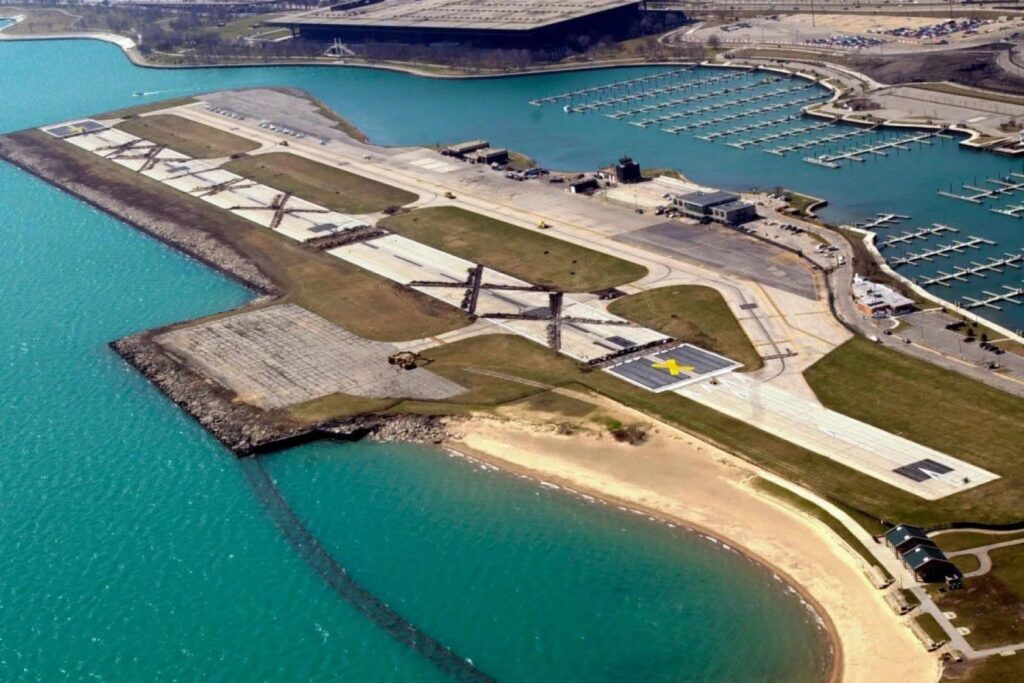
When former Chicago Mayor Richard M. Daley ordered the overnight destruction of Meigs Field on March 30, 2003, many viewed it as more than the closure of a small downtown airport. For pilots, business travelers, and aviation enthusiasts, it represented the loss of one of the nation’s most unique urban airports, and, arguably, the beginning of a long period in which Chicago became less welcoming to business investment and economic growth.
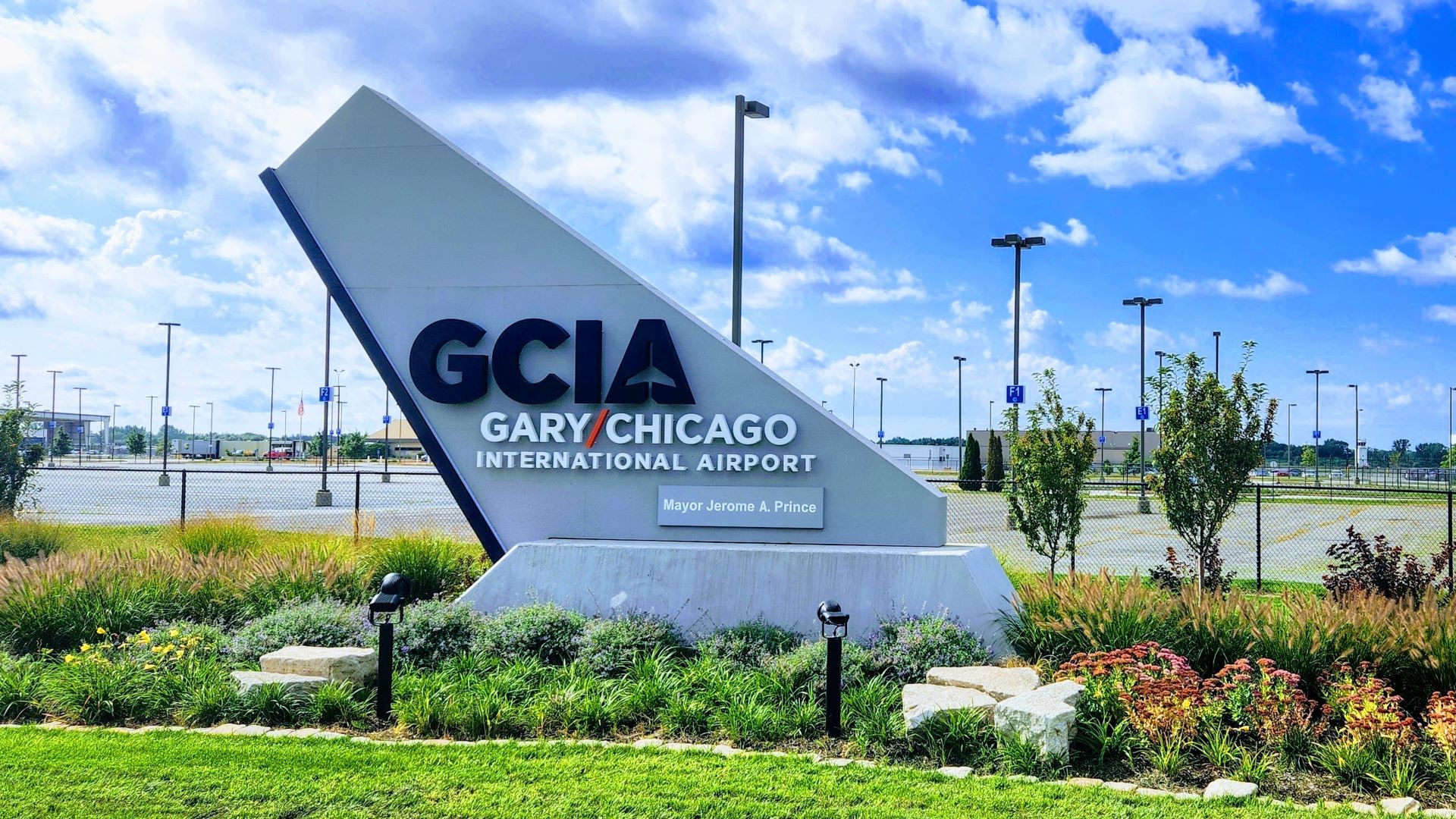
The debate over the future of the Chicago Bears has renewed attention on another regional aviation asset: Gary/Chicago International Airport (KGYY).
If the Bears ultimately build a new stadium and entertainment district in nearby Hammond, the airport could emerge as one of the major secondary beneficiaries of the project.
Located just eight miles from the proposed Hammond stadium site, Gary/Chicago International Airport offers a convenient option for corporate aircraft, charter flights, media organizations, and visiting fans.
By comparison, travelers flying into O’Hare International Airport or Midway International Airport often face significantly longer drive times through congested traffic.
History suggests that major sports and entertainment destinations generate substantial aviation activity. Airports located near stadiums and event venues frequently experience spikes in private and charter aircraft traffic during marquee events, creating additional economic opportunities for local businesses, hotels, restaurants, and transportation services.
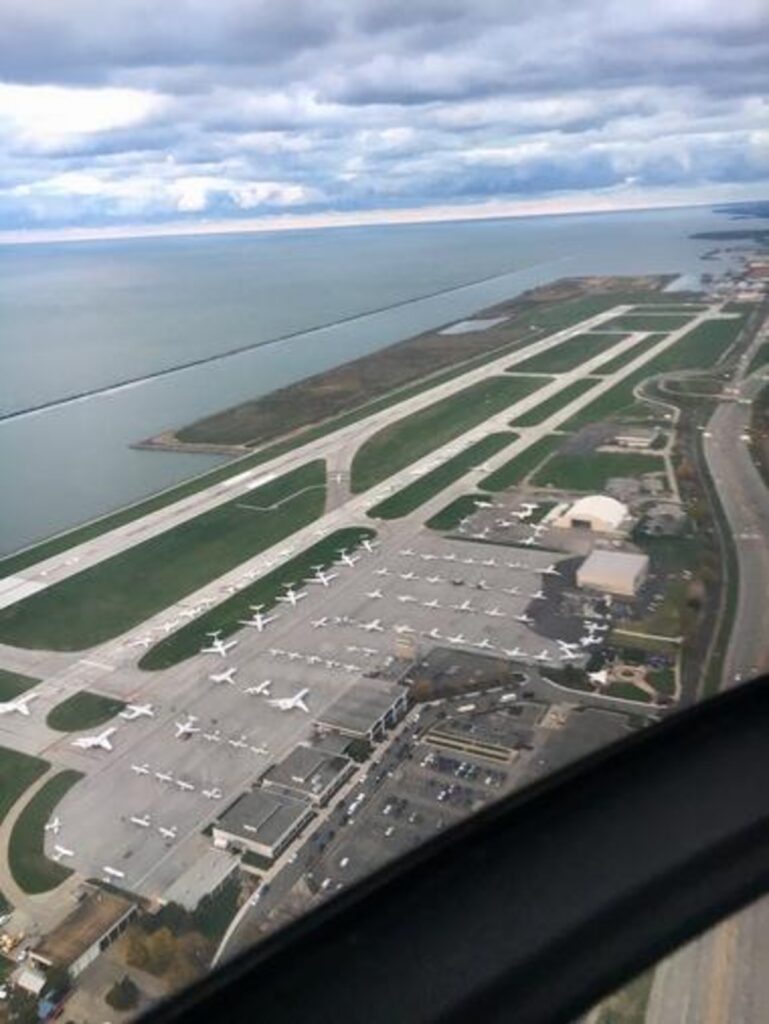
A notable example came during the 2016 World Series between the Chicago Cubs and the Cleveland Guardians. Cleveland’s downtown lakefront airport was filled with visiting aircraft tied to the event.
Chicago, meanwhile, had long since lost its own downtown aviation gateway after Meigs Field was demolished 13 years earlier.
While much of the current discussion surrounding a potential Bears move has focused on stadium financing and state politics, the broader economic implications deserve attention as well.
A major sports and entertainment complex in Hammond would likely generate benefits extending well beyond the stadium itself, creating new opportunities across Northwest Indian – including for Gary/Chicago International Airport and the surrounding business community.
If the Bears do decide to cross the state line, the impact may not be limited to football. It could help transform the region into a larger hub for commerce, tourism, and aviation, reviving the kind of connectivity that Chicago voluntarily gave up when Meigs Field disappeared.