


By Mark Vargas, Editor-in-Chief & Opinion Contributor
Imagine a private-sector employer in Illinois learning that a young employee had accused a supervisor of repeated sexual harassment.
Now imagine that employer waiting months to investigate, imposing no meaningful discipline, and allowing the accused to remain in a position of power for years.
The lawsuits would come quickly. So would the public outrage.
So why should a different standard apply to the Speaker of the Illinois House?
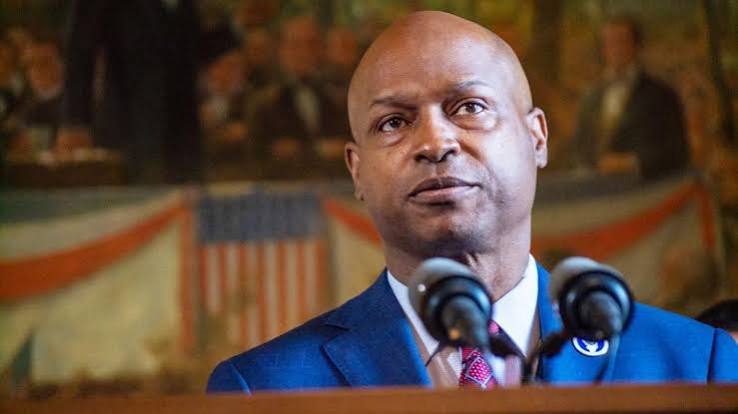
According to the Chicago Tribune’s recent investigation, Speaker Chris Welch’s office was informed in April 2023 that then-State Rep. Harry Benton had allegedly engaged in repeated sexually inappropriate conduct toward a young female staffer.
The allegations were serious and detailed. Yet Benton was reportedly not interviewed for approximately three months.
After the staffer resigned, citing concerns for her mental health, Benton remained in office, retained his committee assignments, and continued serving in the Democratic caucus for years.
Only after additional complaints surfaced in 2026 did meaningful action finally occur.
Benton was removed from the House Democratic caucus, investigated by the Legislative Inspector General, and ultimately resigned after investigators documented what they described as a clear pattern of outrageous and unethical conduct.
Speaker Welch has defended his office’s response by saying the former staffer wanted to wait until she secured new employment before moving forward. The former staffer has publicly disputed that account, saying she never requested such a delay and received no meaningful follow-up.
Those conflicting accounts deserve scrutiny, but they do not change the central issue.
Once leadership receives credible allegations of workplace harassment, the responsibility to investigate, protect employees, and prevent future misconduct rests with leadership.
That principle is reflected throughout modern employment law. Under Title VII of the Civil Rights Act and the Illinois Human Rights Act, employers are expected to respond promptly to harassment complaints and take reasonable steps to stop misconduct and prevent it from happening again.
Whether a court would ultimately find liability depends on the specific facts of each case. But few employment attorneys would advise a private employer that allowing an accused supervisor to remain in power for years after receiving detailed complaints is an acceptable course of action.
Such inaction would almost certainly invite lawsuits, regulatory scrutiny, and significant financial liability.
If Illinois expects every private employer to meet those standards, the public has every right to expect at least as much from the leaders of its own state government.
The Illinois General Assembly writes the workplace laws that govern employers across this state. Lawmakers routinely demand accountability from businesses, schools, and local governments when harassment allegations arise.
They should not be exempt from the standards they impose on everyone else.
This is no longer simply about Harry Benton. It is about whether those entrusted with leading the Illinois House exercised the judgment and urgency the public expects when serious allegations surfaced.
Public confidence in government depends on the belief that no one is above the rules, especially those responsible for enforcing them.
Illinois has endured far too many ethics scandals where powerful politicians escaped accountability while victims were left waiting.
Leadership is measured not by speeches or press conferences, but by the willingness to act when difficult decisions must be made.
By that measure, Speaker Chris Welch has failed.
If this level of inaction would never be tolerated in Illinois’ private sector, it should not be tolerated in state government.
For the credibility of the Illinois House, the integrity of public service, and every employee who deserves a safe workplace, Speaker Chris Welch should resign immediately as Speaker of the Illinois House.
By Illinois ReviewChicago has been eliminated from consideration to host the 2028 Democratic National Convention, dealing another setback to Gov. JB Pritzker as he works to expand his...
Read moreDetails