

By Illinois Review
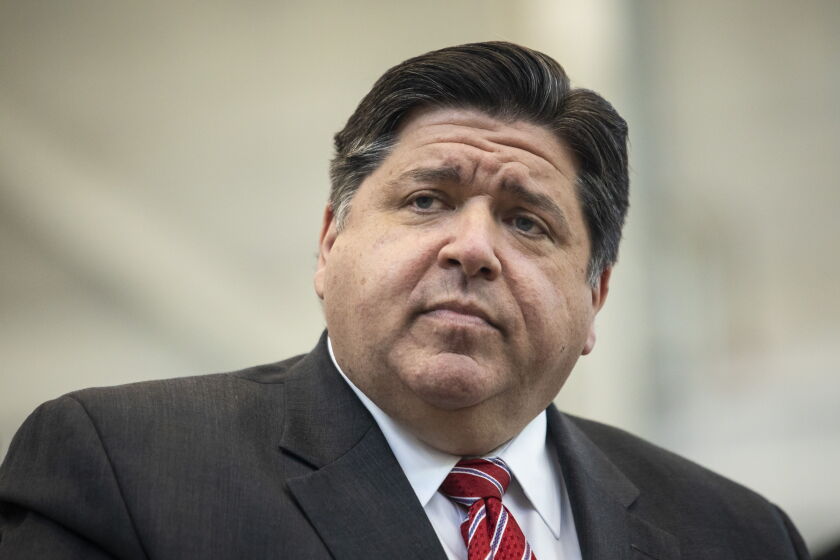
Illinois Gov. JB Pritzker continues to struggle to gain traction nationally as a potential 2028 Democratic presidential candidate, consistently placing near the bottom of every major national survey of likely Democratic primary voters.
The latest evidence comes from Emerson College’s July 19–20 national poll, which found former Transportation Secretary Pete Buttigieg leading the field with 19 percent, followed by California Gov. Gavin Newsom at 17 percent.
Sen. Jon Ossoff and Rep. Alexandria Ocasio-Cortez each received approximately 13 percent, while former Vice President Kamala Harris polled at 8 percent.
Kentucky Gov. Andy Beshear registered 7 percent, Pennsylvania Gov. Josh Shapiro received 5 percent, and Pritzker garnered just 3 percent.
The Emerson findings mirror a broader national trend that has persisted for months.
According to recent RealClearPolitics polling averages, Pritzker has remained stuck at approximately 3.3 percent support nationally, placing him well behind the Democratic Party’s top-tier contenders, including Harris, Newsom, Buttigieg, Ocasio-Cortez, and Shapiro. He has consistently found himself clustered near the bottom of the field alongside lower-performing candidates.
Earlier polling produced nearly identical results.
A Center Square/Noble Predictive Insights survey conducted in early June found Harris leading with 27 percent, followed by Newsom at 14 percent, Buttigieg at 11 percent, and Ocasio-Cortez at 8 percent.
Pritzker and Beshear each received just 2 percent support.
The consistency across multiple national polls suggests Pritzker has yet to translate his national media profile and growing role within the Democratic Party into meaningful support among Democratic primary voters.
Despite his low polling numbers, Pritzker has continued to raise his national profile. The billionaire governor has become one of President Donald Trump’s most vocal critics, campaigned for Democratic candidates across the country, hosted high-profile political events, and increased his visibility through national television appearances and speeches aimed at positioning himself as a leading voice within the party.
Political observers have frequently mentioned Pritzker as a potential 2028 presidential contender, citing his personal wealth, ability to self-fund a campaign, and leadership of one of the nation’s largest Democratic-controlled states.
However, national polling has yet to reflect that speculation.
With more than two years remaining before Democratic voters begin selecting their next presidential nominee, the race remains fluid.
For now, however, virtually every major national poll tells the same story: despite his national ambitions and increasing visibility, Pritzker remains mired in the low single digits and near the bottom of the Democratic field.