

By Illinois Review
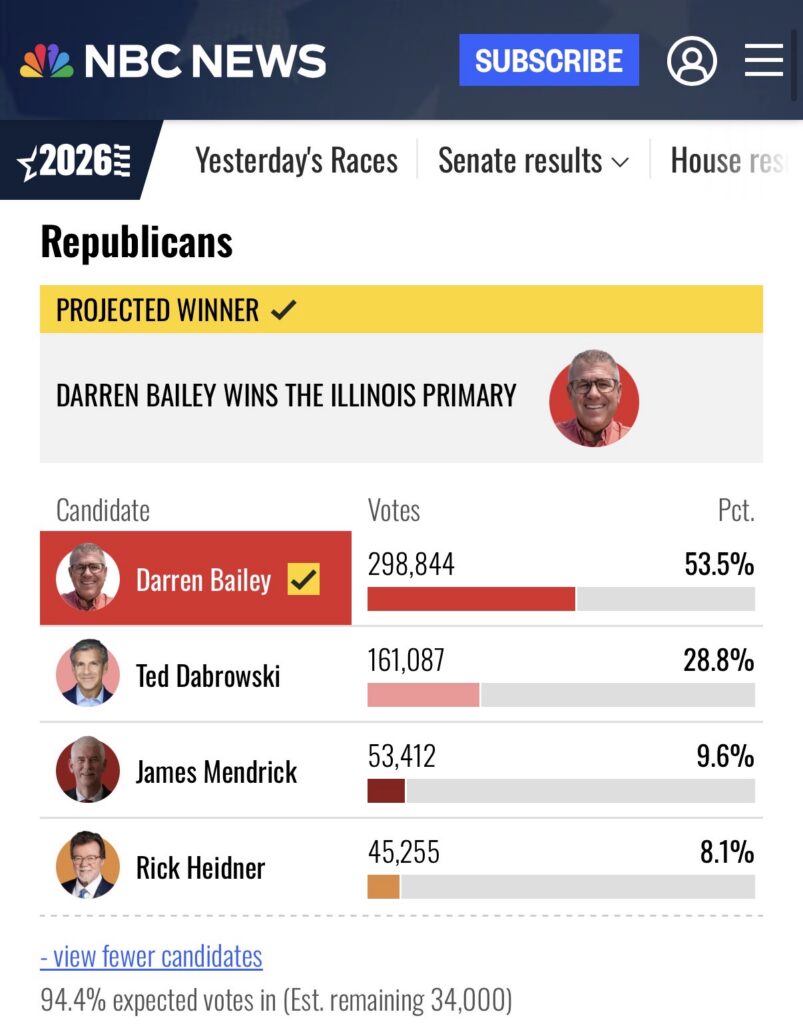
Just hours after suffering a decisive 25-point defeat in the Illinois Republican primary, gubernatorial candidate Ted Dabrowski skipped the Illinois Republican Party’s annual Unity Breakfast – raising fresh concerns about party unity at a critical moment.
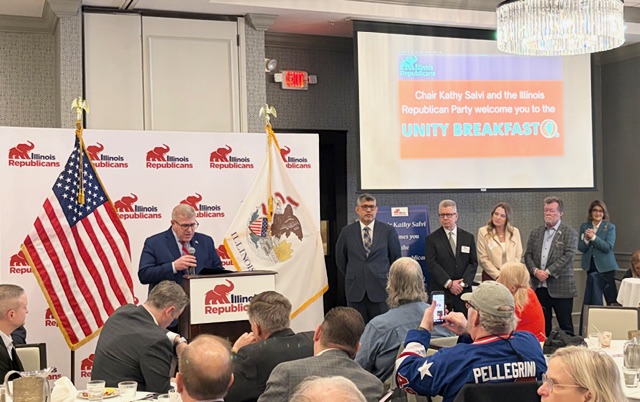
The Unity Breakfast, held Wednesday morning in Naperville, is meant to bring Republican candidates together immediately after the primary to rally behind the nominee and begin a unified push to defeat Democratic Gov. JB Pritzker.
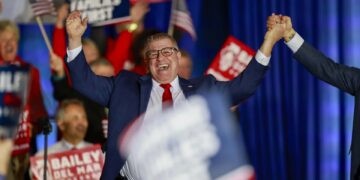
This year, that nominee is Darren Bailey.
Bailey delivered a commanding victory Tuesday night, defeating Dabrowski by a wide margin and consolidating support across the Republican base. The expectation heading into Wednesday morning was clear: candidates would stand together and show voters the party is ready to move forward.
Some did.
Businessman Rick Heidner attended the breakfast alongside his lieutenant governor running mate, signaling a willingness to unite behind the nominee despite coming up short in the primary. Their presence reinforced what many grassroots conservatives view as a basic responsibility after the voters have spoken.
But others were notably absent.
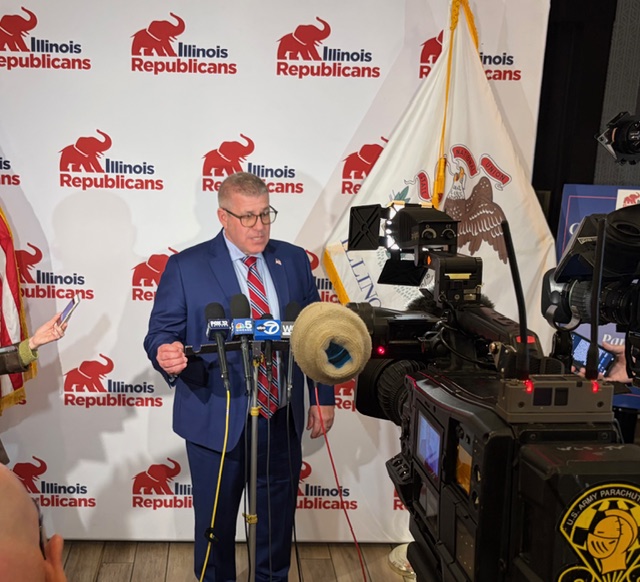
Dabrowski did not attend the event following his loss. DuPage County Sheriff James Mendrick, who finished third, also skipped the breakfast, instead sending his lieutenant governor running mate, Robert Renteria, in his place.
Jeanne Ives, a longtime political ally of Dabrowski and influential voice among establishment conservatives, was also absent.
For many Republicans, the contrast was striking.
The Unity Breakfast is not just a formality – it is a public test of leadership. It sends a clear signal to voters about whether candidates are willing to put the bigger mission ahead of personal disappointment or political differences.
That mission is urgent.
Under Gov. JB Pritzker, Illinois families continue to face rising crime, failing schools, and policies that many argue put ideology ahead of children’s safety and education. Businesses are leaving the state, taxes remain among the highest in the country, and confidence in leadership continues to erode.
Republicans believe 2026 presents a real opportunity to change direction. But that opportunity depends on unity.
Bailey’s victory was not narrow or disputed. It was decisive – a clear signal from Republican voters about the direction they want for the party. When candidates decline to show up after a result like that, it raises serious questions about whether divisions will linger.
Grassroots activists have made it clear for weeks that unity cannot be optional. Supporting the nominee is not just expected – it is essential.
Political observers note that Democrats rarely face this problem. After primaries, their candidates typically fall in line quickly, understanding that unity is key to maintaining power.
Republicans, by contrast, have too often struggled with internal fractures – and the consequences have been clear.
Wednesday’s Unity Breakfast offered a chance to turn the page.
Some took it. Others didn’t.
Now, the focus shifts to whether the party will truly unite in the weeks ahead – or risk handing Gov. JB Pritzker another four years.