

By Illinois Review
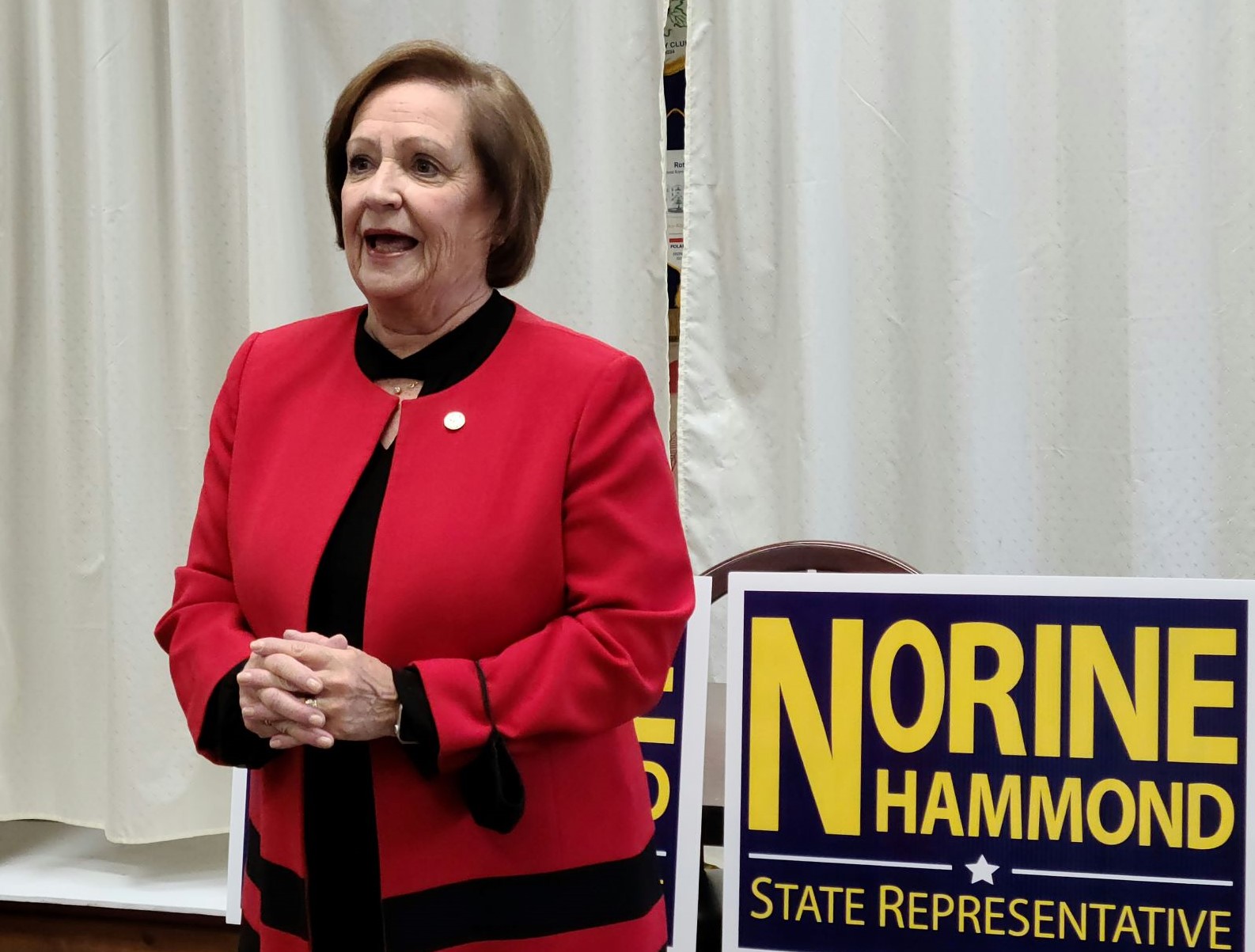
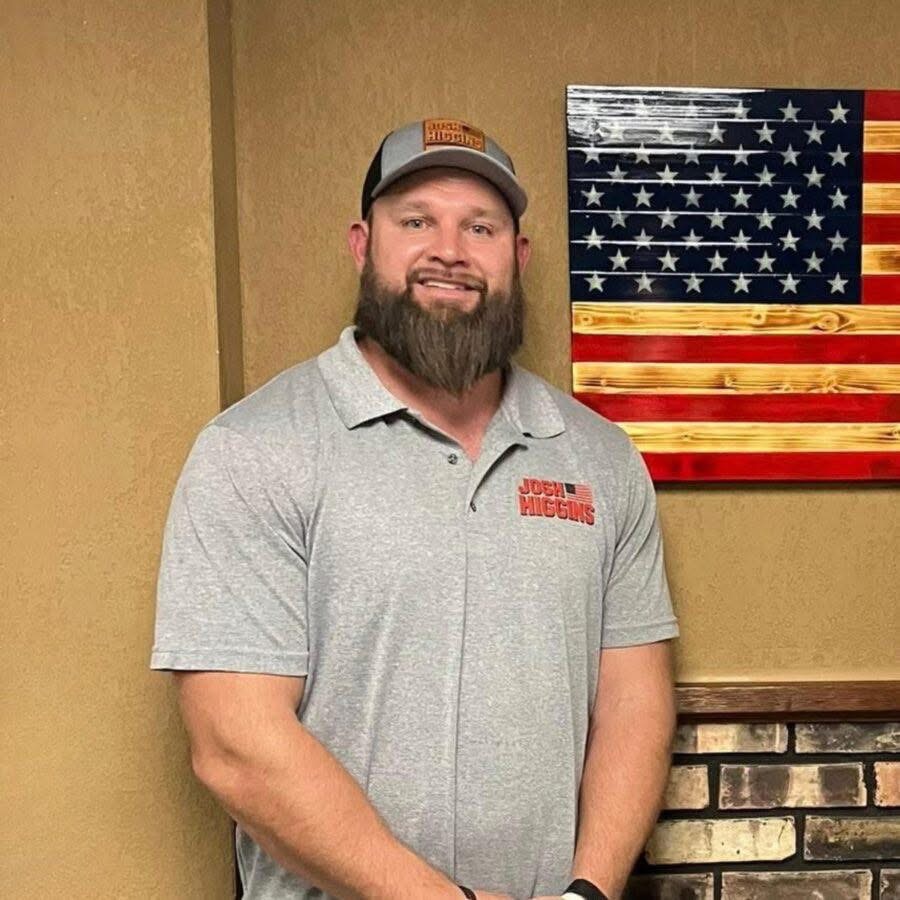
In one of the most shocking results of the Illinois primary election, conservative grassroots candidate Josh Higgins delivered a decisive defeat to longtime Republican incumbent and Deputy House Minority Leader Norine Hammond.
With 99 percent of precincts reporting, Higgins secured a commanding 57.75 percent of the vote, compared to Hammond’s 32.37 percent. A distant third candidate, Bailey Templeton, received just under 10 percent.
The margin was not close. It was a political earthquake in western Illinois.
Hammond, who had held the seat since 2010, entered the race with all the advantages of incumbency – name recognition, leadership status, and support from the Republican establishment and hundreds of thousands of dollars. But in the end, none of it mattered.
Voters sent a clear message: they are done with career politicians who they believe have lost touch with their districts.
Higgins, an Air Force veteran, school board member, and crop insurance salesman, ran a campaign rooted in conservative principles, local engagement, and accountability. He positioned himself as a true representative of the district – something many voters felt Hammond no longer was.
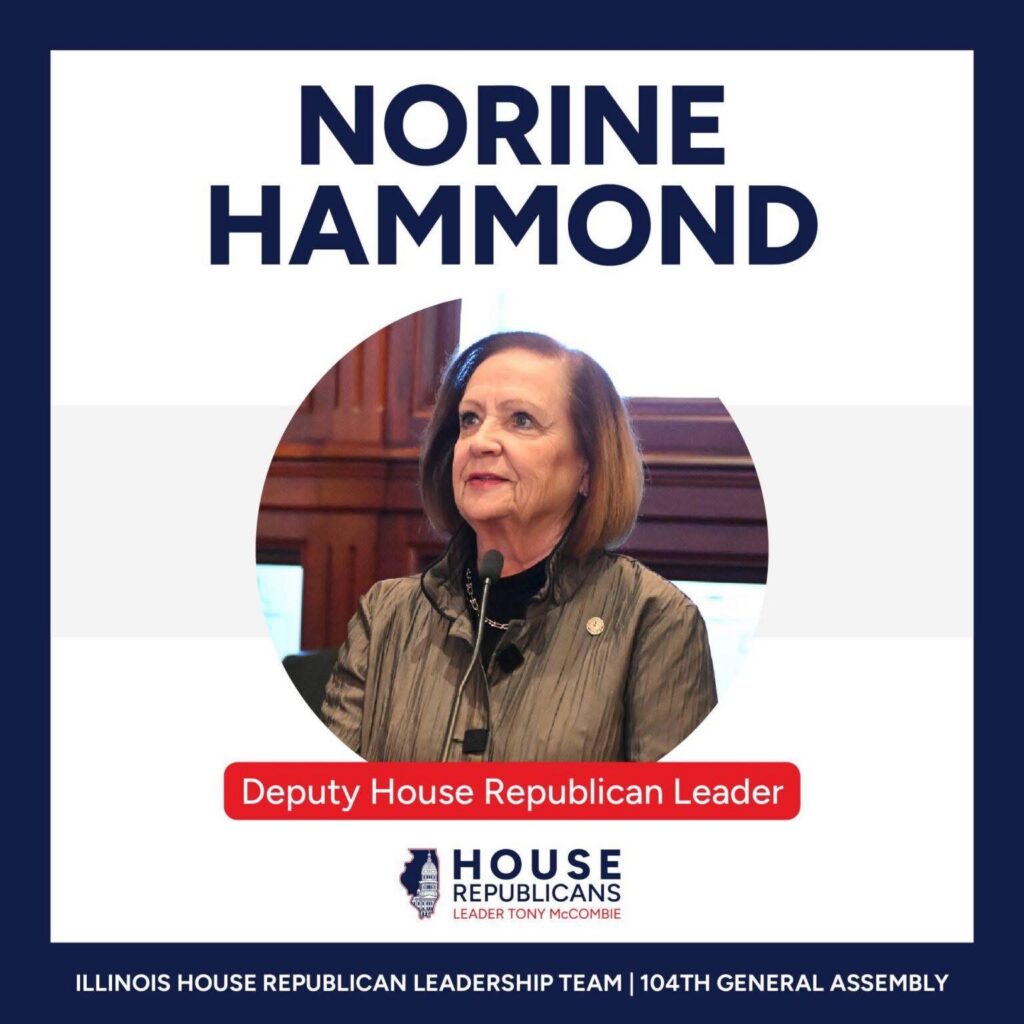
For months, frustration had been building among grassroots Republicans. Hammond was increasingly criticized for skipping local events, avoiding conservative forums, and failing to connect with voters back home.
The nickname “No Show Norine” began circulating, reflecting what many saw as a pattern of absence. But it wasn’t just about appearances.
A series of controversies further damaged Hammond’s standing with conservative voters. Among them was the so-called “PillowGate” scandal, which involved tens of thousands of dollars in taxpayer-funded purchases for House Republican leadership offices from a business tied to Hammond personally. Critics viewed it as a clear conflict of interest and a symbol of insider politics.
There were also allegations of improper campaign activity tied to postage discounts, raising questions serious enough to reportedly draw the attention of federal authorities.
Perhaps most damaging was Hammond’s voting record and fundraising history. Reports showed she accepted tens of thousands of dollars from groups aligned with liberal causes, including those supporting abortion expansion and transgender policies. She also faced backlash for past votes that aligned with Democrats on issues like tax increases and climate legislation.
In a deep-red, pro-Trump district, those decisions did not sit well with voters.
Higgins capitalized on that frustration. His campaign emphasized law and order, fiscal responsibility, and a strong pro-life stance – issues that resonate deeply with Republican primary voters, especially those who feel ignored by party leadership.
Despite what many described as establishment efforts to protect Hammond and undermine Higgins, the outcome was overwhelming.
Hammond conceded the race, calling her time in office an honor. But the results speak for themselves.
This was not just a loss. It was a rejection.
The upset sends a powerful signal across Illinois: Republican voters are no longer willing to tolerate politicians they view as out of touch, ethically questionable, or aligned with the wrong priorities.
They want leaders who show up. Leaders who fight. Leaders who reflect their values – especially when it comes to protecting families, defending life, and standing firm against the failed policies pushed by Democrats.
Josh Higgins now advances to the general election unopposed. But the real story is already written.
The grassroots has taken back control. And the establishment is officially on notice.