

By Illinois Review
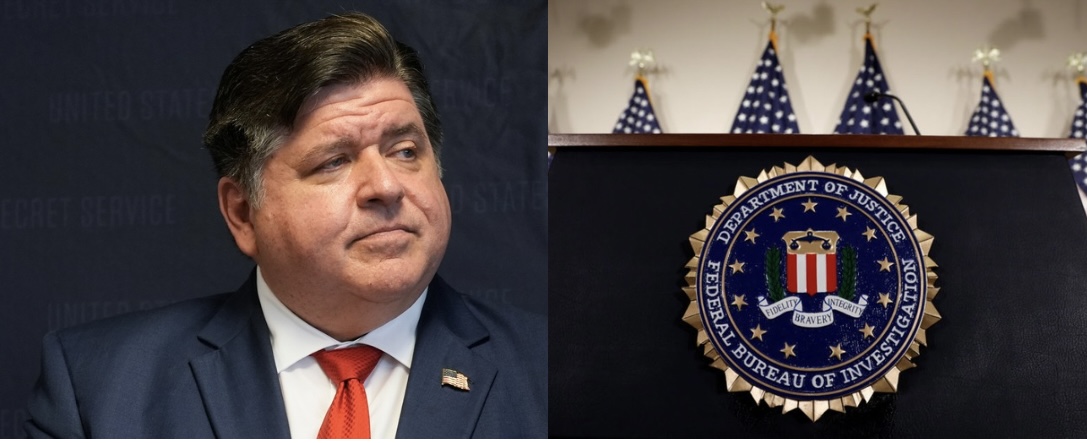
Calls for federal scrutiny of Illinois’ finances intensified this week after Republican gubernatorial nominee Darren Bailey publicly urged the FBI and Department of Justice to investigate spending under Governor JB Pritzker.
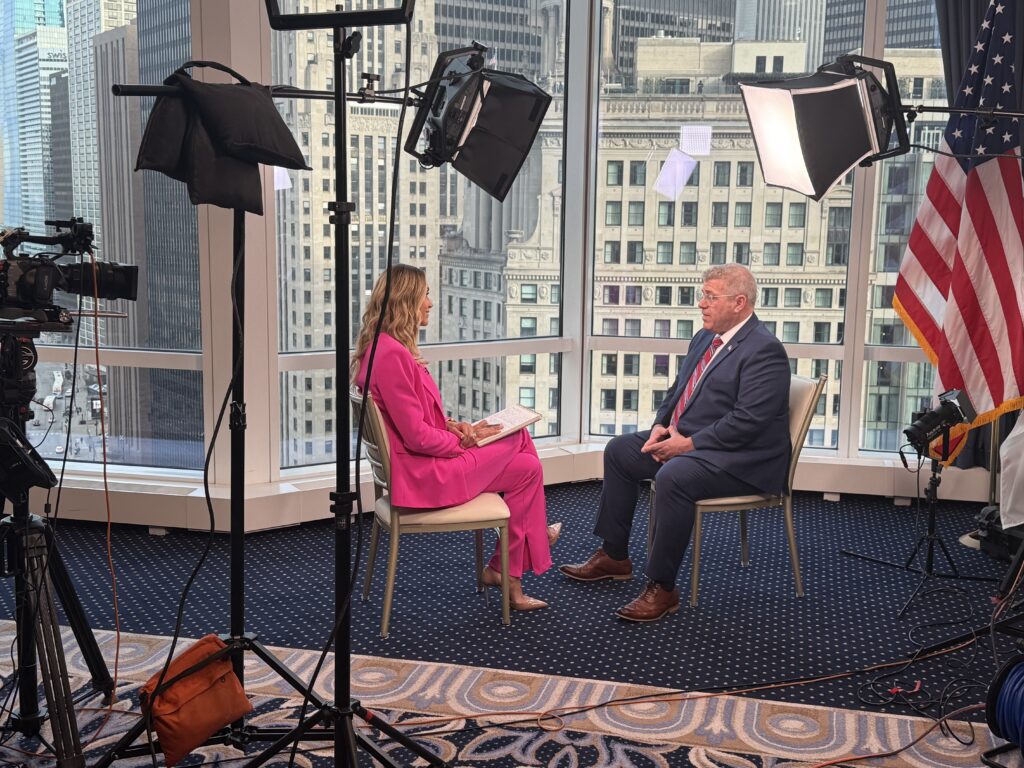
Appearing on ‘My View with Lara Trump,’ Bailey pointed to what he described as widespread financial mismanagement in Illinois government.
“We’ve got waste and fraud at massive levels,” Bailey said. “I would love for the DoJ or the FBI to come in and investigate,” adding that the level of fraud is “immense.”
His comments come as broader concerns grow over state spending and accountability in Illinois, particularly in light of recent federal investigations in Minnesota that uncovered billions of dollars in alleged fraud tied to government programs.
In Minnesota, federal authorities have warned that the schemes uncovered may only be the “tip of the iceberg,” prompting renewed scrutiny in other states with large budgets and long-standing one-party control.
Illinois is increasingly part of that conversation.
Since taking office, Gov. Pritzker has overseen a significant expansion in state spending. Illinois’ General Funds budget has grown by nearly $20 billion – rising from approximately $36 billion in Fiscal Year 2019 to about $55 billion today.
Despite that increase, critics argue that residents have not seen meaningful improvements in core services.
Property taxes remain among the highest in the nation. Public safety concerns continue in major urban areas. Education outcomes in some districts still lag behind national benchmarks. At the same time, Illinois has experienced ongoing population loss and business departures.
Beyond overall spending levels, questions have also been raised about how taxpayer dollars are being allocated.
Public reporting has highlighted that more than $20 billion in state contracts have been awarded to a relatively small group of firms with ties to Pritzker’s broader financial network since 2019.
Additionally, more than $180 million in taxpayer-backed investments have been directed toward projects linked to the governor’s family hotel interests through state entities.
There have been no formal findings of wrongdoing tied to those expenditures. However, the scale and concentration of the spending have drawn increased attention from watchdog groups and political observers.
Bailey’s call for federal involvement reflects a growing push among some Republicans and government accountability advocates for outside oversight.
Those concerns have also reached the national stage.
Last month, Karoline Leavitt confirmed that President Donald Trump is aware of what she described as “waste, fraud and abuse” under Pritzker’s administration – marking the first time the issue has been publicly acknowledged at the federal level.
Supporters of a potential federal review argue that an investigation by the FBI and Department of Justice would provide clarity on how taxpayer funds are being spent and whether any misuse has occurred.
Analysts note that Illinois’ long-standing political structure – dominated by one party – has limited independent oversight, raising concerns about transparency in state finances.
For many taxpayers, the issue is increasingly urgent. With billions more being spent and little visible improvement in outcomes, calls for answers are growing louder.
And as Bailey’s remarks highlight, pressure is mounting for federal authorities to take a closer look at Illinois – where questions about waste, fraud, and abuse are no longer confined to political debate, but are becoming a central issue in the state’s future.