

By Mark Vargas, Editor-in-Chief & Opinion Contributor
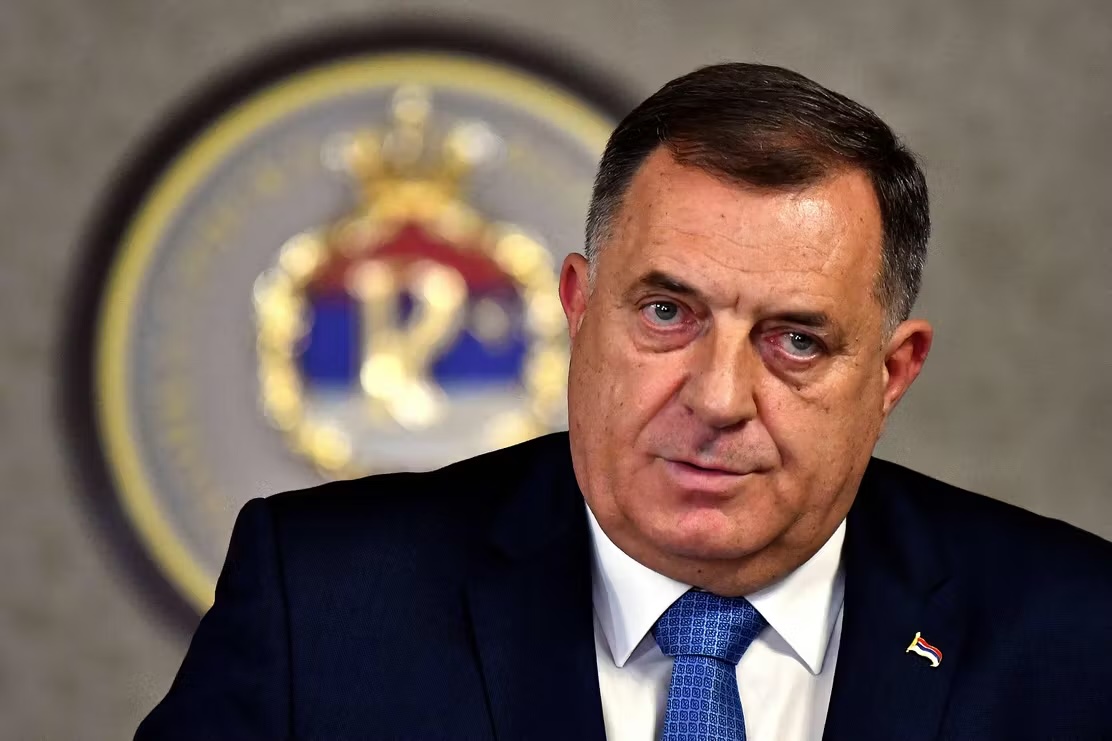
In a powerful display of faith and national identity, Milorad Dodik once again led celebrations of St. Stephen’s Day on January 9 in Republika Srpska – defying mounting pressure from international authorities seeking to shut the tradition down.
The day, known as “Day of Republika Srpska,” holds deep meaning for many Serbs. It marks both the 1992 founding of the Serb republic and the Orthodox Christian feast of St. Stephen, the first martyr of the early Church.
For believers, it is not just a political date – it is a sacred observance rooted in centuries of faith and tradition.
According to the New Testament, St. Stephen was among the first deacons of the early Church and was executed for boldly proclaiming his faith. His final words echoed forgiveness, even for those who killed him.
For Orthodox Christians, his feast day symbolizes courage, sacrifice, and unwavering belief. Yet despite its religious importance, the celebration has become a flashpoint in Bosnia and Herzegovina’s fragile political system.
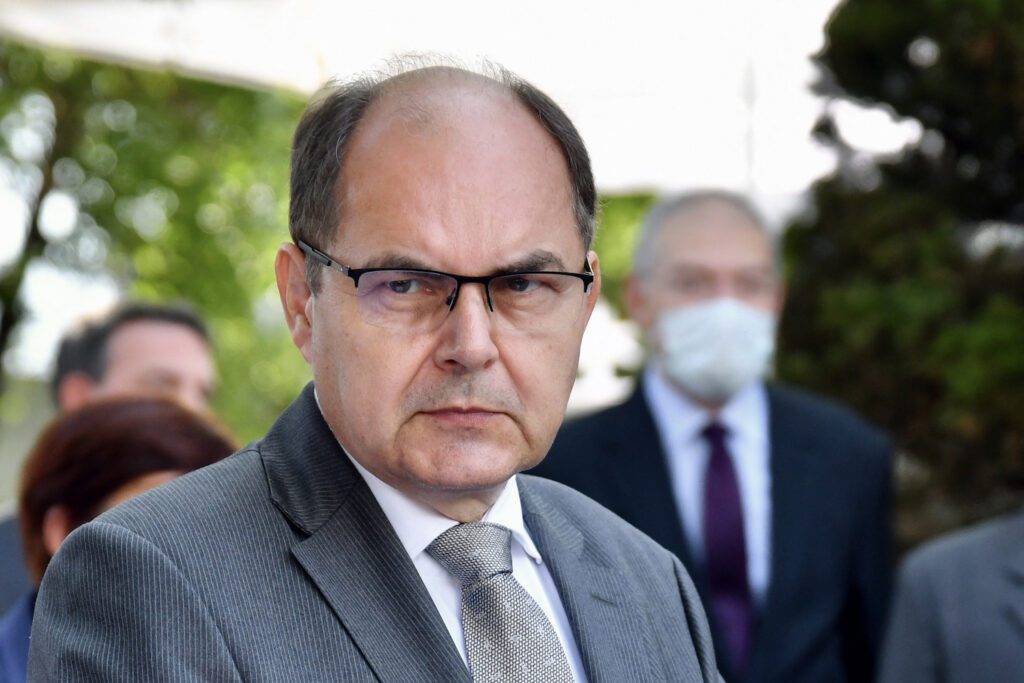
At the center of the controversy is Christian Schmidt, a German official serving as High Representative under the Dayton Peace Agreement. Schmidt has repeatedly warned that celebrating January 9 as a public holiday violates rulings by Bosnia’s Constitutional Court, which claims the date discriminates against non-Serbs because it aligns with an Orthodox Christian feast.
Schmidt has gone so far as to threaten legal consequences for officials who participate in the celebrations, calling on law enforcement to intervene. His office has attempted to nullify laws tied to the holiday, escalating tensions between international authorities and local leadership.
But Dodik has refused to back down.
“No force can stop us from celebrating who we are,” Dodik has said, framing the issue as a fundamental matter of religious freedom and cultural identity.
For many in Republika Srpska, the conflict represents something larger than a dispute over a date. It is seen as a direct challenge to their right to honor their faith and history without interference from foreign-appointed officials.
Critics of Schmidt argue that unelected international bureaucrats should not have the authority to override local traditions – especially those tied to religious observance.
Supporters of Dodik say the effort to block the holiday reflects a broader pattern seen across the West, where Christian traditions are increasingly pushed aside in the name of “inclusivity.”
The situation is further complicated by questions surrounding Schmidt’s legitimacy. Leaders in Republika Srpska point out that his appointment was not formally confirmed by the United Nations Security Council, leading them to reject his authority altogether.
Some have even referred to him as nothing more than a “private German citizen” when operating in the region.
Despite warnings and legal threats, celebrations on January 9 have continued year after year, complete with parades, church services, and public gatherings.
At its core, the dispute highlights a growing divide between global governance structures and local communities seeking to preserve their identity.
For Dodik and his supporters, this is about more than politics – it is about protecting the right to practice faith openly in the face of increasing pressure to conform.
That message is now resonating far beyond Eastern Europe. On April 30, Milorad Dodik is scheduled to travel to Chicago, where he will be honored as the featured guest at the World Leaders Forum. There, he will receive the inaugural “Standing Up for Christianity and Democracy” award – recognizing his defense of faith, national sovereignty, and principled leadership in the face of mounting international pressure.