

By Illinois Review
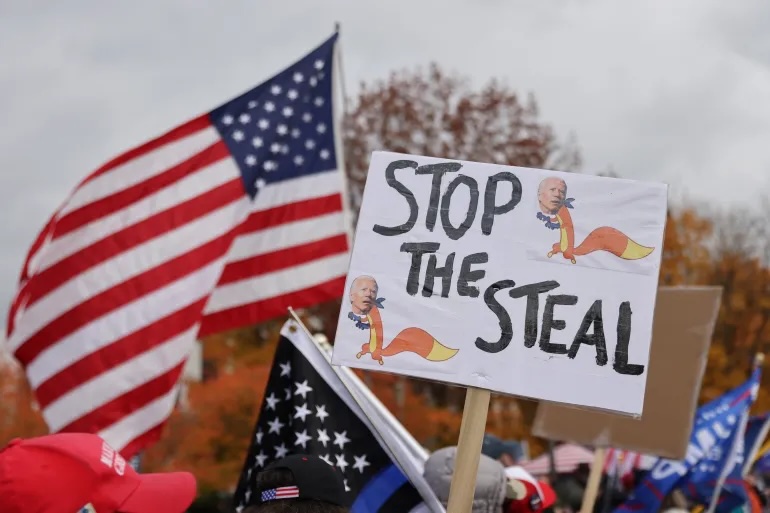
Serious questions are being raised about potential election fraud in recent Illinois Republican Party State Central Committee (SCC) elections — but party leadership remains largely silent.
The April 15 internal elections, conducted through county conventions and controlled by precinct committeemen (PCs), were never meant to draw widespread scrutiny. But in the days following the vote, a growing number of grassroots activists began raising concerns over alleged procedural violations and rule-bending that may have influenced outcomes.
These concerns are not coming from Democrats or outside actors. They are coming from within the Republican Party itself.
At the center of the controversy is a system that gives disproportionate power to a relatively small number of PCs — many of whom operate in a structure plagued by high vacancy rates.
In some areas, large numbers of precincts remain unfilled, raising serious questions about how votes tied to those vacant precincts are being handled.
Under party bylaws, those votes are supposed to be distributed proportionally based on how active PCs vote.
But critics argue that, in practice, party insiders may be directing those votes toward preferred candidates — effectively tipping the scales behind closed doors.
Adding to the concern, a basic reading of Illinois election law appears to offer no clear legal authority for allocating votes from vacant precincts at all. The statute focuses on duly elected precinct committeemen casting votes — not on redistributing votes from positions that were never filled.
That gap raises further questions about whether the current process is not only flawed, but potentially inconsistent with state law. Additional concerns have been raised about procedural decisions made during conventions.
Reports circulating on social media describe instances where voting methods were altered in ways that may have reduced transparency and accountability. Questions have also surfaced about whether all eligible candidates were properly included on ballots in every location.
These are serious allegations. Yet, despite the growing chorus of concern, the Illinois GOP has offered no meaningful response.
Instead, party leadership moved quickly to certify the results, congratulating winners and praising the process without acknowledging the controversy. For many grassroots Republicans, that silence speaks volumes.
This is not just about one election cycle. It’s about trust.
Illinois Republicans have spent years warning about the dangers of election mismanagement, lack of transparency, and insider control in public elections. But when similar concerns arise within their own party, the response appears to be very different.
The current SCC election system — built on weighted votes and insider-driven conventions — creates an environment where outcomes can be influenced without broad participation. It shuts out everyday Republican voters and consolidates power in the hands of a few.
If the Illinois Republican Party is serious about rebuilding trust and expanding its base, it should start by putting State Central Committee positions on the ballot — allowing Republican voters, not just insiders, to choose their leadership.
That would eliminate backroom maneuvering, reduce the influence of vacant precincts, and ensure that every Republican has a voice in shaping the future of the party.
Until then, concerns about fairness — and even election fraud — will continue to grow.

By Illinois ReviewA federal judge on Thursday declined to issue a preliminary injunction blocking Illinois' medical aid-in-dying law from taking effect Saturday, allowing the state to proceed with...
Read moreDetails