

By Illinois Review
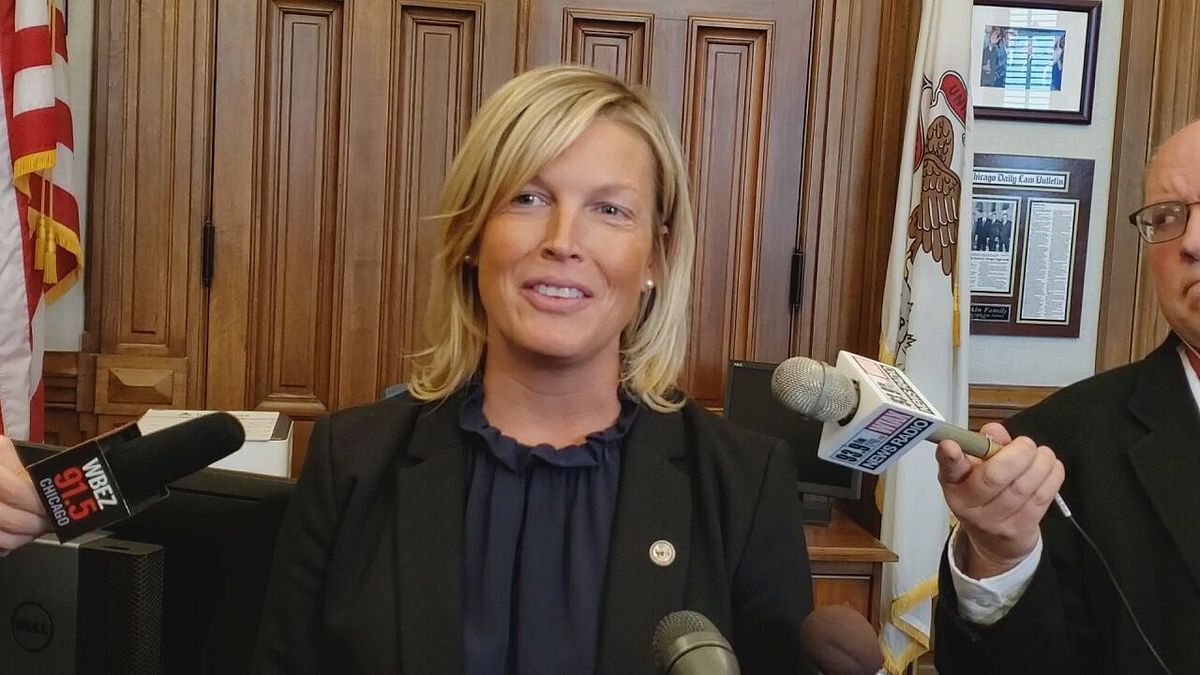
Illinois House Republican Leader Tony McCombie is facing growing scrutiny after losing control of her caucus during a key vote on a controversial Democrat-backed bill tied to a potential Chicago Bears stadium deal.
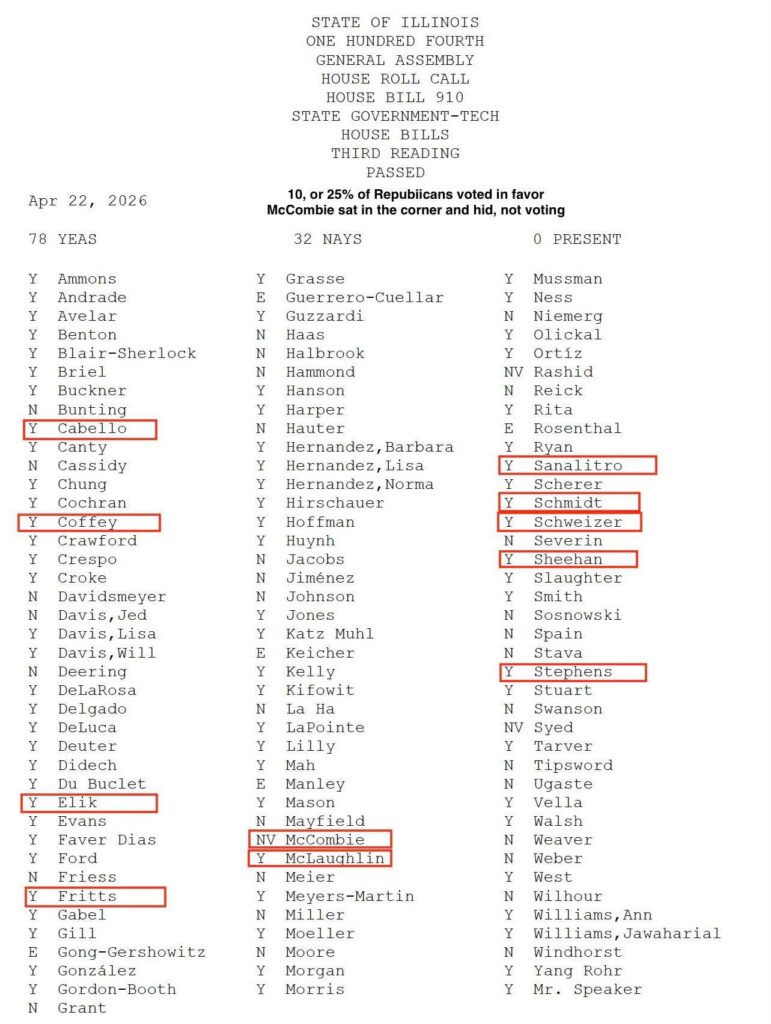
On April 22, the Illinois House passed the so-called “megaprojects” bill by a 78-32 vote, advancing legislation designed to provide property tax certainty through PILOT agreements for large developments.
The measure is widely viewed as a critical step in helping the Chicago Bears move forward with a proposed $5 billion domed stadium in Arlington Heights.
But the real story inside the Capitol wasn’t just the bill’s passage – it was the fractured response from House Republicans.
Out of the GOP caucus, 27 Republicans voted “no,” holding the line against what many conservatives see as a taxpayer-risking deal. However, 10 Republicans broke ranks and voted “yes,” siding with Democrats to help advance the legislation. One member voted “present,” and two were absent.
The split has raised serious questions about McCombie’s leadership and her ability to unify Republicans on major fiscal issues.
Even more notable: McCombie herself chose not to vote.
Her decision to skip the vote is already drawing criticism from grassroots conservatives, who see it as a sign she quietly supported the measure while avoiding direct accountability.
In Springfield, leadership often means taking a clear stand – especially on high-profile votes involving taxpayer exposure and Democrat-backed spending priorities. Instead, Republicans were left divided at a moment when unity could have sent a strong message.
Democrats, who hold a supermajority in the House, did not need Republican support to pass the bill. But the 10 GOP “yes” votes handed Gov. JB Pritzker bipartisan cover – something Republicans have long criticized when it comes to controversial spending measures and corporate incentives.
The bill’s supporters argue it will help keep the Bears in Illinois and promote economic development in the northwest suburbs. The team purchased the former Arlington Park racetrack property in 2023 and has pushed for predictable tax treatment as a condition for securing private financing.
But critics warn that PILOT agreements and similar arrangements can shift financial burdens away from developers and onto local taxpayers, including homeowners and small businesses. With Illinois already facing some of the highest property taxes in the nation, those concerns carry weight.
The Bears themselves have acknowledged that additional changes are still needed, signaling that the legislative process – and potential taxpayer exposure – is far from over.
For many conservatives, the bigger issue is what this vote says about Republican priorities.
At a time when Illinois families are struggling with high costs, rising crime, and economic uncertainty, voters expect Republican lawmakers to stand firmly against policies that could increase financial pressure on taxpayers.
Instead, 10 members of the caucus chose to align with Democrats on a bill that Republicans didn’t need to support.
And with McCombie absent from the vote, questions about leadership, direction, and accountability within the House GOP are only intensifying.
As the bill heads to the Senate, one thing is clear: the divide within the Republican caucus is no longer behind closed doors – it’s now front and center for Illinois voters to see.