

By Illinois Review
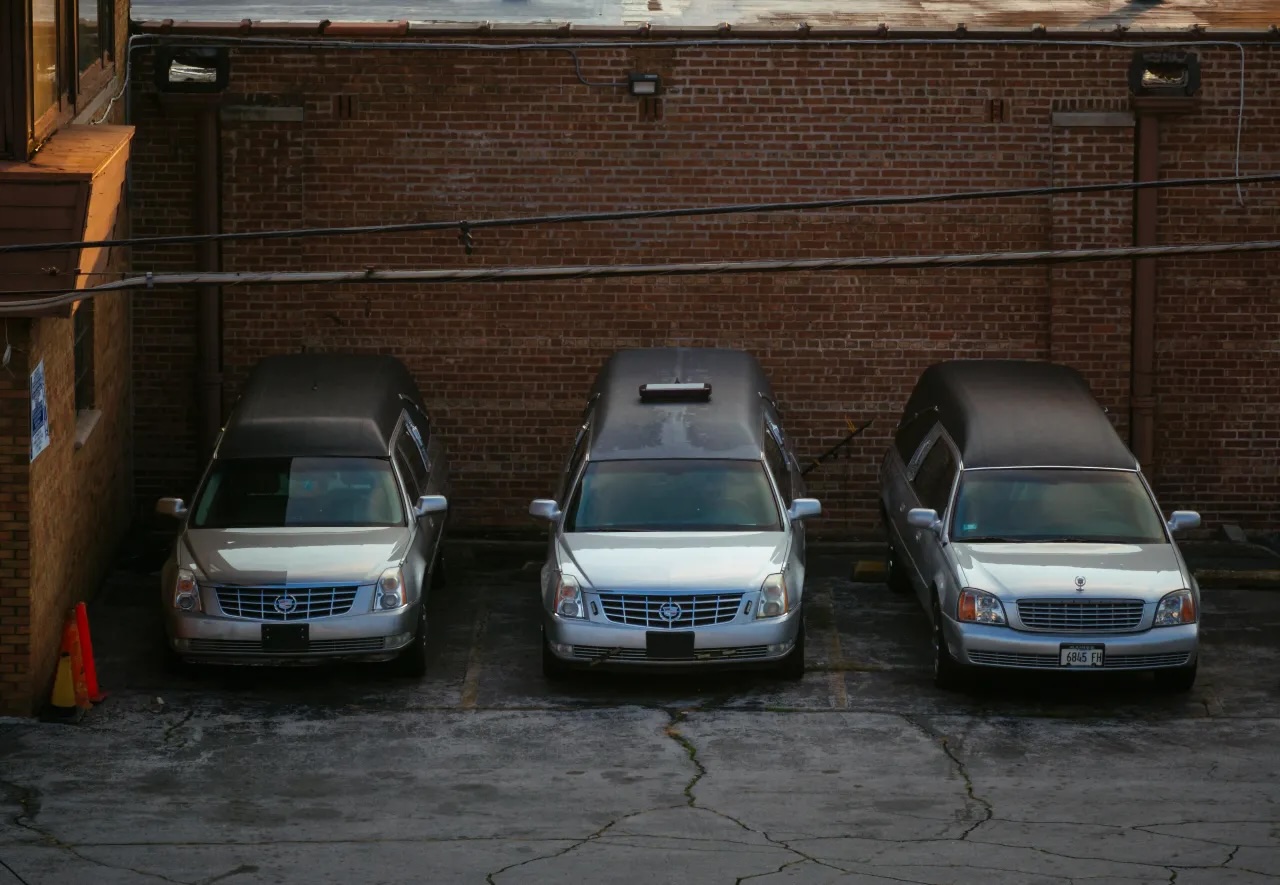
Families who entrusted their deceased loved ones to a Far South Side funeral home where authorities discovered 57 decomposing bodies are now raising another disturbing question: Are the “ashes” they received actually the remains of their loved ones?
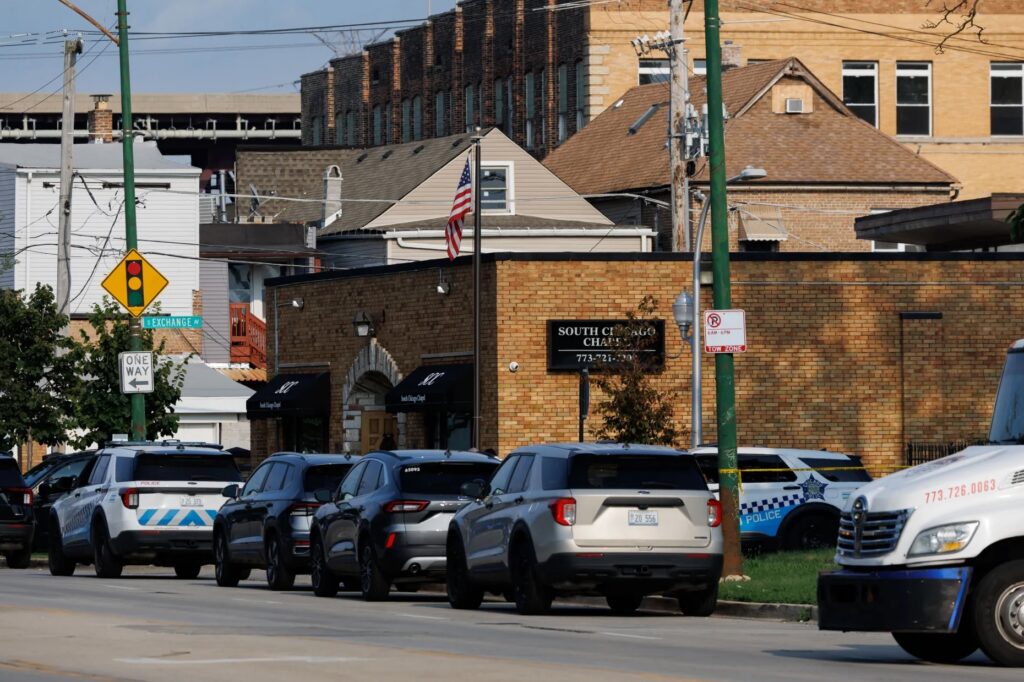
An Illinois Review contributor was at South Chicago Chapel on Friday, taking photos and speaking with distressed families gathered outside the funeral home in Chicago’s South Deering neighborhood.
One family member showed Illinois Review an urn that the funeral home said contained the cremated remains of their loved one. Inside was a bag containing material that appeared to resemble gravel, including numerous hard, rock-like pieces.
The family member said the urn was also unusually heavy.
When the family questioned the funeral home about the material, they said they were told the rock-like pieces were actually “bone fragments” remaining from the cremation process.
Another family described a similar experience, telling Illinois Review they also received what was represented as their loved one’s cremated remains but questioned the appearance and weight of the contents.
One relative, speaking on video, accused the funeral home of deceiving grieving families.
“You guys were literally planning for us to come pick up a bag of rocks and playing that off as our loved ones. It’s already hard enough to just breathe and deal with this process, and then you’re getting conned and manipulated by evil people…” she said.
She called on every news outlet to cover what she described as a “horrific” scandal.
The material has not been independently tested, and Illinois Review cannot determine by visual inspection whether it is cremated human remains. But after authorities discovered 57 decomposing bodies inside the funeral home Thursday, families are questioning whether their loved ones were ever cremated.
Another relative told Illinois Review that her brother’s funeral was supposed to take place Friday, but the family was initially told they could not view his body or witness him being laid to rest.
She said the family repeatedly called the funeral home seeking answers, but calls went unanswered or were disconnected. Eventually, they reached someone and again asked to see their loved one.
“My daughter said, ‘Hey, can we come see? My mama wanna come see her brother body, and I wanna come see my uncle body…’ They said, ‘Oh sure, sure, sure.’ Called again, no answer,” the relative said.
Chicago police were assisting the Illinois Department of Financial and Professional Regulation with a licensing investigation Thursday when authorities discovered 57 unrefrigerated human remains in various stages of decomposition.
Authorities described deplorable conditions, including evidence of rodents and maggot infestation on some remains. The Chicago Fire Department treated the scene as a hazardous-materials incident.
The Cook County Medical Examiner’s Office is working to identify the remains, review documentation and notify families.
On Friday, as temperatures approached 90 degrees, families gathered outside the funeral home begging for information about what happened to their loved ones.
Neither Mayor Brandon Johnson’s office nor Ald. Peter Chico’s office provided water to families gathered outside, according to people at the scene. Grief counselors were also not made available.
Instead, volunteers made calls seeking assistance from grief counselors in Homer Glen, more than an hour away, asking them to travel to Chicago to help the distressed families.
As of Friday evening, Gov. JB Pritzker had not publicly commented on the discovery or the families seeking answers outside the funeral home.
The discovery has also renewed scrutiny of funeral home operators Johanna and Clark Morgan, who were previously associated with Heights Crematory in Chicago Heights. That facility was shut down in 2025 following problems involving improperly stored bodies and cremated remains that had not been returned to families.
Johanna Morgan’s funeral director and embalmer license was temporarily suspended this week after state regulators determined that her continued practice posed a danger to public safety.
No criminal charges had been announced as of Friday.
For families, identifying the 57 bodies could answer an increasingly urgent question: Do any belong to people whose relatives were previously told they had been cremated?
Until the bodies are identified and the rock-like material is tested, families are left wondering whether the remains they received actually belong to their loved ones – and, if not, where their loved ones are.