

By Mark Vargas, Editor-in-Chief
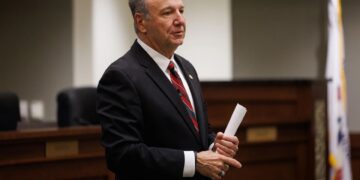
Thomas R. Donovan, the longtime aide to legendary Chicago Mayor Richard J. Daley, former president and chief executive officer of the Chicago Board of Trade, has passed away, closing the chapter on one of the last remaining figures closely identified with the original Chicago political machine.
For decades, Donovan occupied a unique place in Chicago history, serving both as one of the principal operators inside Daley’s City Hall and later as a respected leader in the city’s business community.
His career spanned the worlds of government, politics, finance, and technology, but his legacy will remain inseparable from the disciplined, ward-based political organization that dominated Chicago throughout much of the twentieth century.
Born into a working-class family in Chicago’s 11th Ward, Donovan came of age during the Kennedy era and joined the administration of Mayor Richard J. Daley in the late 1960s. Rising quickly through the ranks, he became one of Daley’s closest advisers and an influential figure within the city’s vast patronage system.
In the years before the Shakman decrees curtailed traditional patronage hiring, Donovan helped oversee the network of city jobs and political relationships that formed the backbone of the Democratic organization.
The machine relied on neighborhood loyalty, ethnic coalitions, and disciplined ward operations, and Donovan became one of its most effective managers.
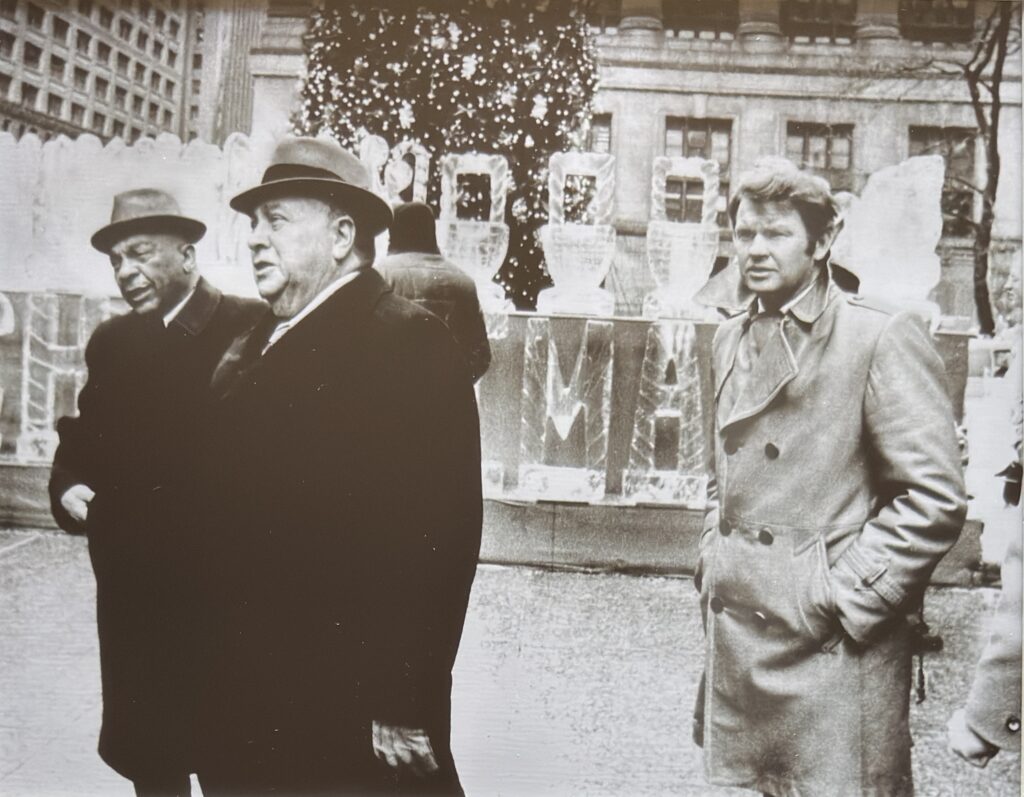
His role became especially significant following the sudden death of Mayor Daley on December 20, 1976. Donovan had been with the mayor earlier that day as they toured Christmas displays in Civic Center Plaza. In the hours that followed Daley’s death, Donovan was among the small group of trusted insiders who helped secure City Hall and navigate the transition of power.
He played a central role in the political negotiations that ultimately elevated Michael Bilandic to the acting mayor and later helped preserve organizational unity during a period of intense internal rivalry.
Colleagues frequently described Donovan as one of Daley’s most trusted confidants, a figure who embraced the mayor’s governing philosophy of personal accountability, long hours, and unwavering loyalty.
Like Daley, Donovan belonged to a generation of Democrats who viewed law and order as a core responsibility of government. He was a steadfast supporter of law enforcement and believed that public safety and neighborhood stability were essential to the city’s success, reflecting an era of Chicago politics that took a far less tolerant view of crime and street violence.
Though he rarely sought public attention, his influence was widely acknowledged by those inside Chicago politics.
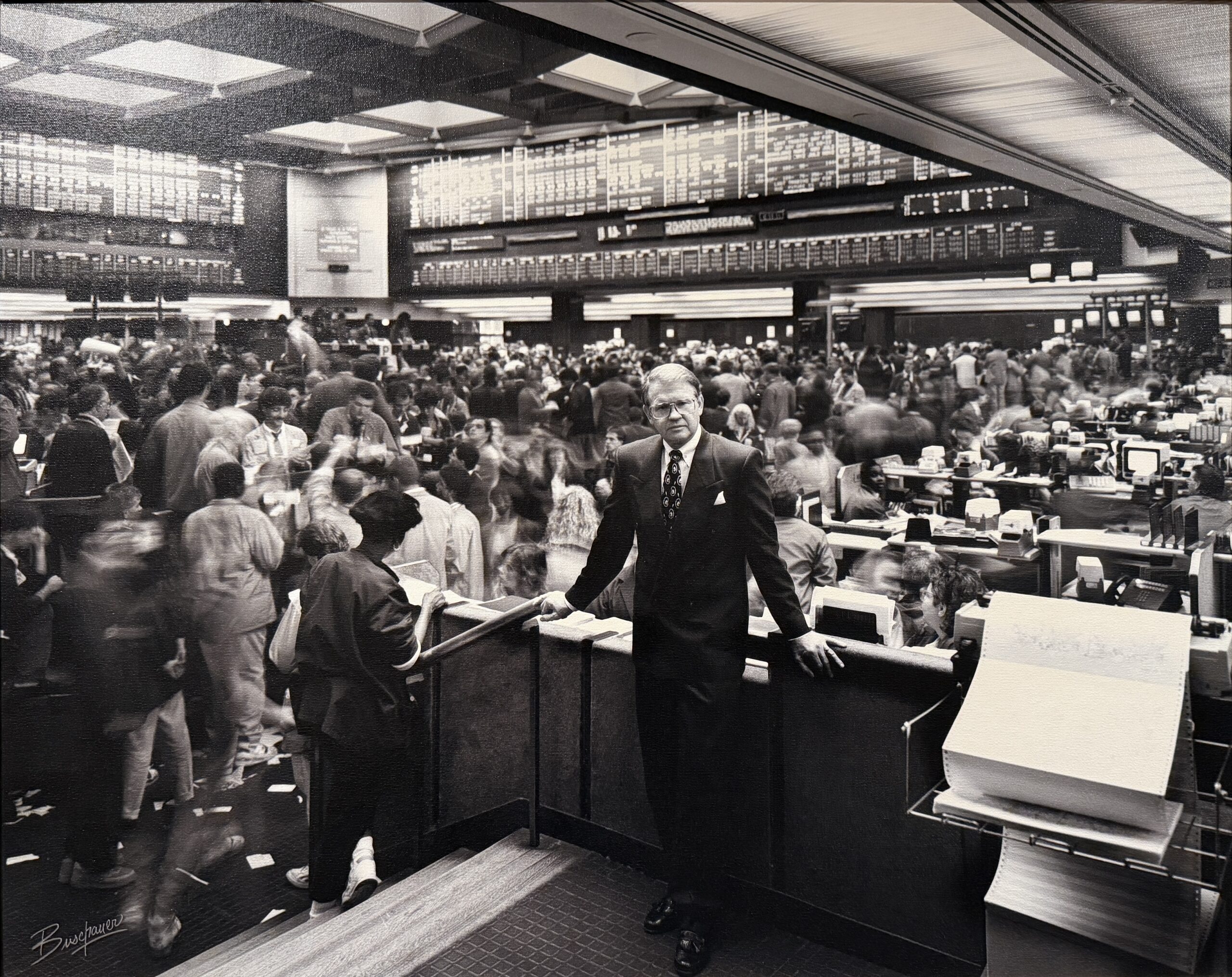
After leaving City Hall, Donovan joined the Chicago Board of Trade in 1979 as secretary before being named president and chief executive officer in 1982. During his tenure, he guided one of the world’s premier financial exchanges through a period of dramatic change, including regulatory battles in Washington, federal investigations into trading practices, and the transition from open-outcry trading to electronic markets.
Donovan’s influence extended far beyond Chicago. Throughout his career, influential business and political leaders regularly sought his advice and counsel. He became a trusted adviser to both Democratic and Republican presidents, governors, mayors, and Members of Congress, and he was frequently called upon to testify before congressional committees on issues involving the financial markets, the economy, and the future of American commerce.
His stature in the financial world also took him onto the international stage. During the waning years of the Cold War, Donovan traveled to the Soviet Union, where he met with Soviet President Mikhail Gorbachev and leading government and business officials to discuss the principles of free-market capitalism and the role of futures markets in a modern economy.
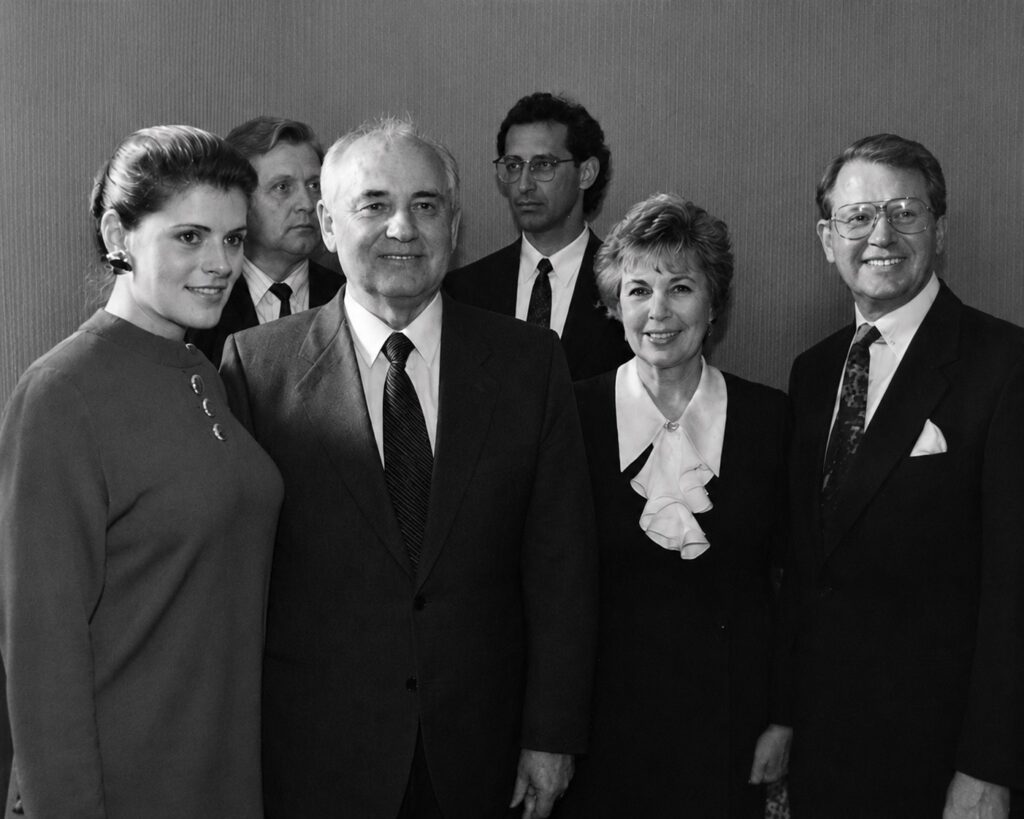
At a pivotal moment in world history, he served as an ambassador of American enterprise and the innovative spirit that made Chicago the global capital of futures trading.
Following his departure from the Board of Trade in 2000, Donovan remained active in the private sector, later serving as Founding Chairman of Quantum Crossings, a technology and security infrastructure company.
Historians and political observers often describe Donovan as one of the last great practitioners of the original Chicago Machine, a system built on personal relationships, neighborhood organizations, and a highly centralized model of governance.
While that style of politics has long been the subject of debate, there is little question that Donovan played a significant role in shaping Chicago during one of its most influential eras.
A true and loyal friend to all, Donovan’s death will be felt by countless Chicagoans who, both knowingly and unknowingly, benefited from his wisdom and mentorship.
Donovan was preceded in death by his parents, Roy and Dorothy, and his son, Brian. Donovan is survived by his loving wife and best friend of 42 years, Vita; his children, Kevin, John, and Grace; and his granddaughters, Kelsey and “Baby” Vita.
A visitation will be held from 3 – 9 pm Friday at Robert J. Sheehy & Sons, 9000 W. 151st in Orland Park. The funeral Mass is set for 11:30 am Saturday at St. Alexander Catholic Church, 7025 W. 126th St. in Palos Heights.
In lieu of flowers, the family suggests contributions be made to Misericordia Heart of Mercy.