

By Illinois Review
For months, Illinois politicians have insisted that the Chicago Bears’ discussions with Indiana were merely a negotiating tactic.
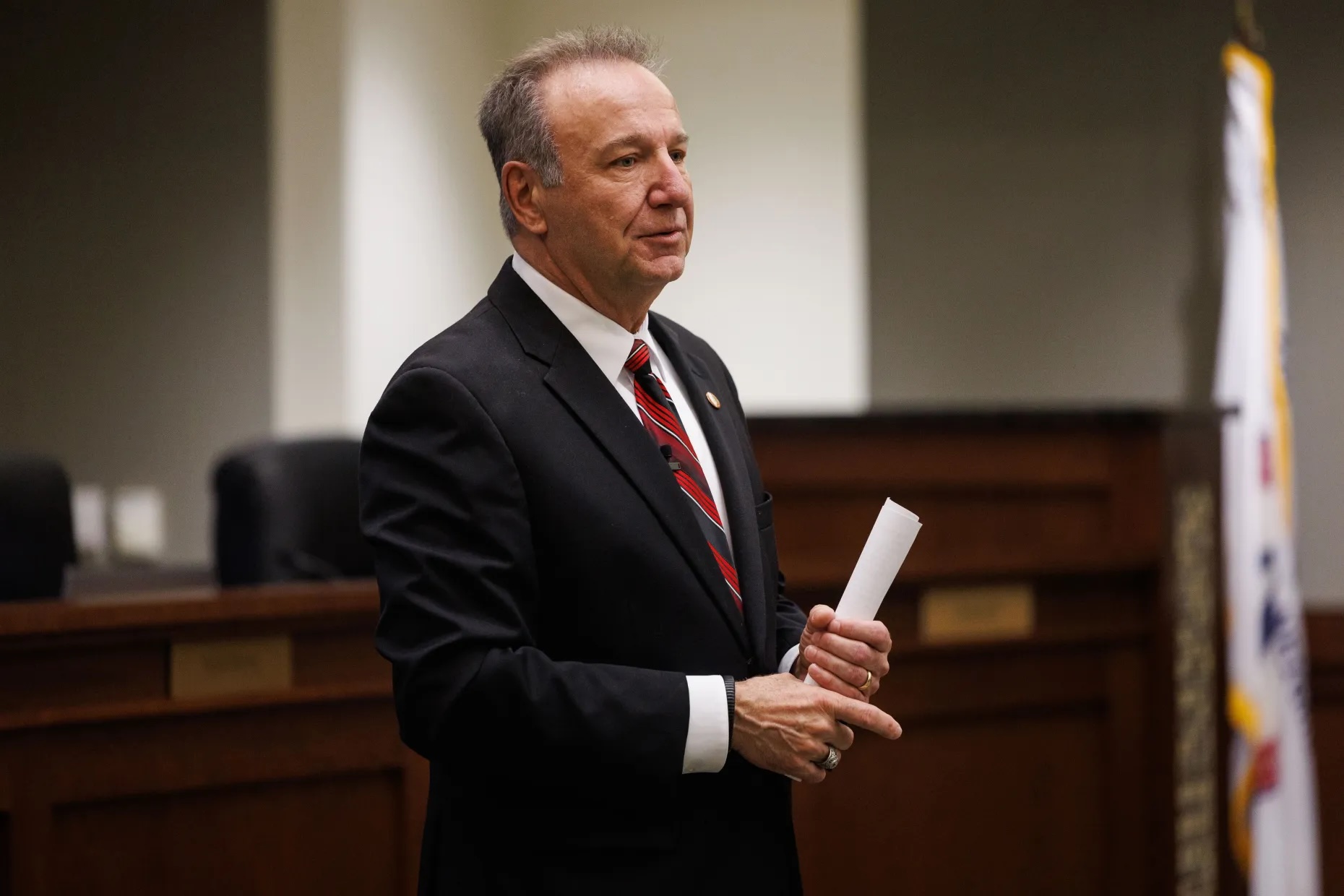
Arlington Heights Mayor Jim Tinaglia may have just shattered that narrative.
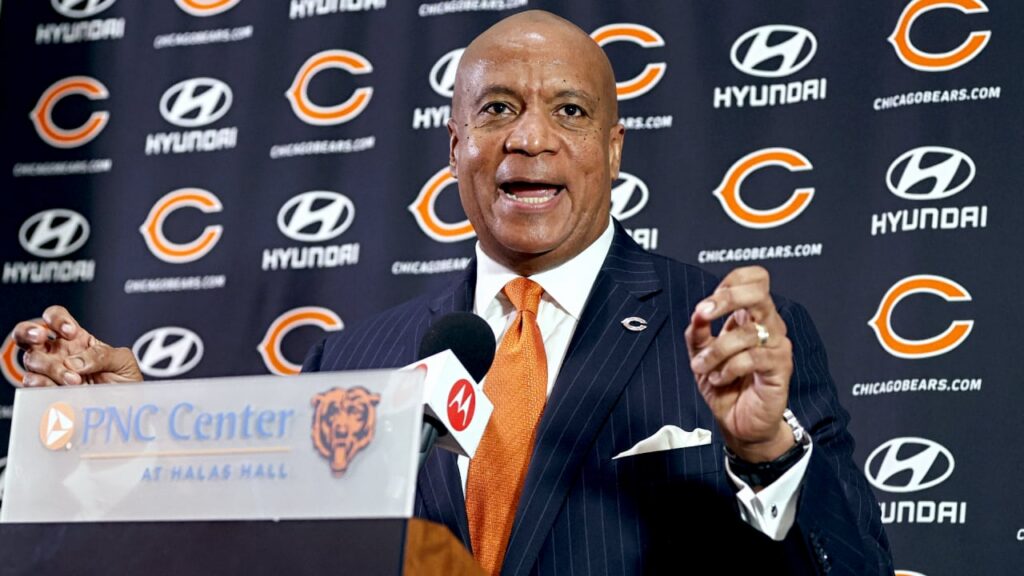
During an interview on 104.3 The Score, Tinaglia revealed that he recently spoke directly with Bears President and CEO Kevin Warren and came away with a striking conclusion: the Bears no longer have a viable path forward in Illinois.
“So now the Bears have no choice. I mean, I get it,” Tinaglia said. “I spoke to Kevin Warren on Friday morning, and I said, ‘I understand, Kevin.’ This is something that you guys have to do. There’s no angry Arlington Heights situation here. Disappointed, yes, but it’s really just an unfortunate turn of events.”
Those are remarkable comments coming from a mayor who spent years working alongside the Bears as they pursued a new stadium and entertainment district at Arlington Park.
More importantly, they are not the words of someone who believes Arlington Heights remains in contention.They are the words of a local official who appears to believe the Bears have reached a decision.
Tinaglia’s comments are particularly significant because he has been one of the most closely involved public officials in the Arlington Heights stadium effort from the beginning. If anyone understands the negotiations, the obstacles, and the opportunities that were lost along the way, it is him.
The mayor’s remarks also provide new insight into how dramatically the situation has changed.
For years, Arlington Heights appeared to be the Bears’ preferred destination. The franchise purchased the former Arlington Park property, unveiled plans for a massive mixed-use development, and repeatedly signaled that the suburban site represented its best long-term opportunity.
Yet instead of embracing a project that would have kept the Bears in Illinois, political leaders spent years fighting over competing proposals, tax structures, financing mechanisms, and control of the project.
According to Tinaglia, that political dysfunction produced a stunning result.
“This is the part that is so disappointing,” Tinaglia said. “What they’ve accomplished by this nonsense is instead of saying, ‘Okay, good, the Bears are gonna still be in Illinois … and Cook County … and so much shared benefits,’ the choice instead is, ‘Yeah, we’ll let them go to Indiana.'”
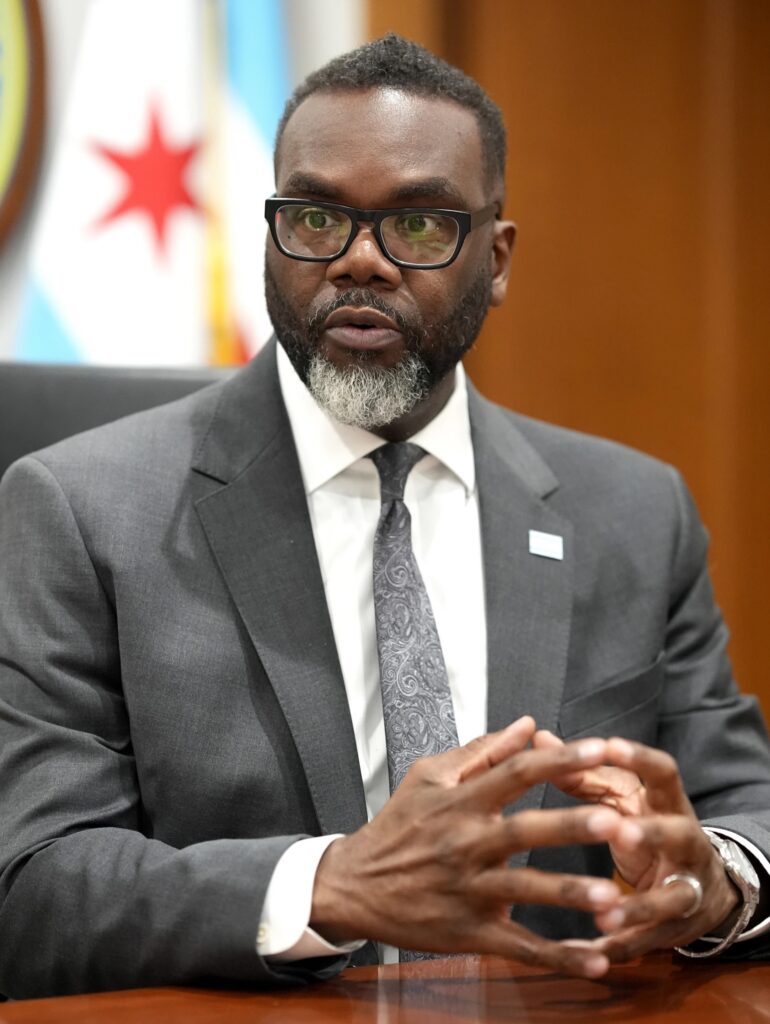
The statement amounts to a direct criticism of Chicago and Illinois political leaders who were unwilling to accept Arlington Heights as the team’s future home.
Rather than celebrating a stadium project that would have kept one of the NFL’s founding franchises in Illinois, opponents remained focused on keeping the Bears inside Chicago city limits.
Now Illinois risks losing the team altogether.
Meanwhile, Indiana leaders spent months doing the opposite. Governor Mike Braun openly courted the franchise. State lawmakers passed enabling legislation. Local officials built a framework for financing and development.
While Illinois debated, Indiana acted.
The Bears’ Board of Directors recently voted to advance work on the proposed Hammond stadium project, further fueling speculation that the franchise’s future lies across the state line.
Taken together, Tinaglia’s comments may be the clearest indication yet that the conversation has moved beyond leverage and negotiations.
For years, the debate centered on where the Bears would play in Illinois. Tinaglia’s interview suggests that question may already have been answered.
And if the mayor who helped shepherd the Arlington Heights effort is publicly saying the Bears “have no choice” after speaking directly with Kevin Warren, Illinois leaders may soon discover that their fight to keep the Bears in Chicago ultimately resulted in losing them to Indiana.