

By Illinois Review
A viral social media post by Illinois Review Editor-in-Chief Mark Vargas calling for a federal civil rights investigation into the WNBA has drawn a direct public response from Assistant Attorney General Harmeet K. Dhillon, who leads the U.S. Department of Justice’s Civil Rights Division.
Vargas’ post on X argued that the WNBA’s repeated failure to protect Indiana Fever star Caitlin Clark from what he described as a pattern of dangerous on-court conduct warranted federal scrutiny.
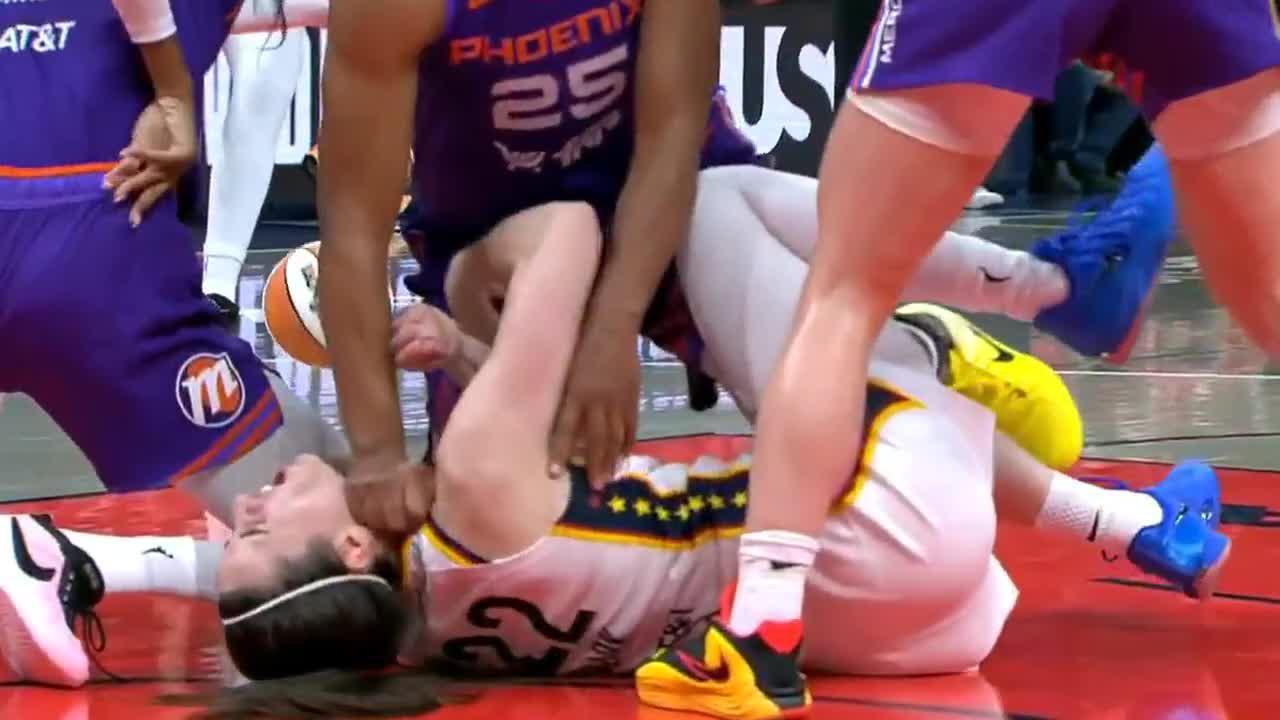
“It’s time for the U.S. DoJ Civil Rights Division to investigate the WNBA,” Vargas wrote. “The league’s repeated failure to protect Caitlin Clark is unacceptable. Closed-fist throat shots, uncalled flagrants, and a clear pattern of targeting the league’s biggest star. This raises serious questions of a hostile work environment, race-based disparities, and potential civil rights violations. Clark has grown the league, she deserves real protection, not selective enforcement.”
The post quickly gained widespread attention before receiving a direct public reply from Dhillon on her personal X account.
“The WNBA and its teams are private employers,” Dhillon wrote. “The @USEEOC and state EEO agencies are the first stop for such claims.”
The exchange is notable because it represents a direct public response from the nation’s top civil rights enforcement official to concerns about player safety, consistent enforcement of league rules, and whether Clark has been subjected to disparate treatment since entering the league.
The latest high-profile incident occurred on June 24, when Phoenix Mercury forward Alyssa Thomas made contact with Clark’s throat during a loose-ball scramble. After reviewing the play, the WNBA upgraded the foul to a Flagrant 2 and suspended Thomas following widespread public criticism.
Since entering the league, Clark has been involved in a series of highly publicized physical incidents that have generated debate among fans, commentators, and former players over whether league officials have consistently enforced the rules and adequately protected one of the WNBA’s biggest stars.
Clark’s arrival has coincided with record television ratings, attendance, merchandise sales, and national attention for the league.
Dhillon’s response did not reject the concerns raised in Vargas’ post. Instead, it identified the standard procedural path typically followed in employment discrimination matters involving private employers.
Under federal law, claims alleging employment discrimination or a hostile work environment are generally filed first with the Equal Employment Opportunity Commission (EEOC) or a corresponding state agency. Those agencies investigate complaints and, where appropriate, may pursue enforcement or refer matters for additional federal action.
The Department of Justice’s Civil Rights Division also has authority in certain employment-related matters and broader civil rights enforcement actions, including some cases involving alleged patterns or practices of unlawful conduct.
Dhillon’s response did not indicate that the Justice Department had opened an investigation, nor did it suggest the concerns raised had been dismissed. Rather, it outlined the customary procedural process for pursuing such allegations.
The public exchange has expanded the conversation beyond sports, raising broader questions about workplace protections, consistent rule enforcement, and the legal avenues available for addressing allegations of unequal treatment in professional athletics.
Illinois Review will continue following developments related to the league’s handling of player safety and any potential civil rights or employment-related actions arising from the matter.