

By Illinois Review
A growing number of Christians – especially evangelicals and traditional Catholics – say the Biden administration presided over some of the most antagonistic years toward people of faith in modern U.S. history.
Concerns ranged from federal surveillance to selective prosecutions, cultural slights, and policy directives that many believers argued crossed constitutional boundaries. Whether rooted in policy, perception, or both, the sentiment became a driving force behind Christian political mobilization heading into the 2024 election.
Much of the backlash stemmed from a leaked FBI memo issued by the bureau’s Richmond Field Office in 2021. The memo, which labeled “radical-traditionalist Catholics” as potential domestic extremists and recommended infiltration of parishes, particularly those that offered the Latin Mass, became symbolic of what conservatives described as a growing criminalization of orthodox Christian worship.
When the document surfaced publicly in 2023, it ignited national outrage.
Pro-life activists also pointed to a surge in prosecutions under the Freedom of Access to Clinic Entrances (FACE) Act. The Biden DOJ pursued dozens of cases against Christian demonstrators, including elderly activists, clergy, and parents.
Several defendants received multi-year sentences for clinic blockades that critics described as nonviolent civil disobedience. High-profile raids, such as the armed arrest of Catholic father Mark Houck, later acquitted, intensified claims that the DOJ enforced the law selectively.
Tensions escalated again in March 2024 when Easter Sunday coincided with the White House’s proclamation of Transgender Day of Visibility. Though the overlap resulted from the ecclesiastical calendar, many believers viewed it as dismissive of the nation’s largest religious holiday.
These cultural flashpoints overlapped with frustration over more than 400 attacks on churches and pro-life centers in 2023 – an eightfold increase from 2018 – where faith leaders said the administration responded slowly or with limited urgency.
Since taking office on January 20, 2025, President Trump has moved rapidly to reverse what he called an “anti-Christian weaponization” of federal agencies. On February 6, he signed Executive Order 14202, creating the Task Force to Eradicate Anti-Christian Bias, chaired by Attorney General Pam Bondi and spanning nine federal departments.
The task force began hearings in April, inviting testimony from Christians who said they were targeted under the previous administration.

Under FBI Director Kash Patel, the bureau formally withdrew the Richmond memo, enacted personnel changes, and imposed new rules barring infiltration of houses of worship without a specific, credible threat. Patel also provided Congress with internal documents revealing that the memo had circulated far more widely – reaching over 1,000 agents – than previously acknowledged.
Four days after taking office, Trump issued pardons and clemency to 23 pro-life activists convicted under the FACE Act. The DOJ simultaneously dropped several pending cases and issued new guidance requiring even-handed enforcement.
Across federal agencies, the administration reversed or rewrote numerous policies involving religious expression. HHS rules requiring faith-based foster agencies to affirm gender transitions were rescinded, disaster relief eligibility for churches was reinstated, and federal workplaces received expanded guidelines protecting religious speech.
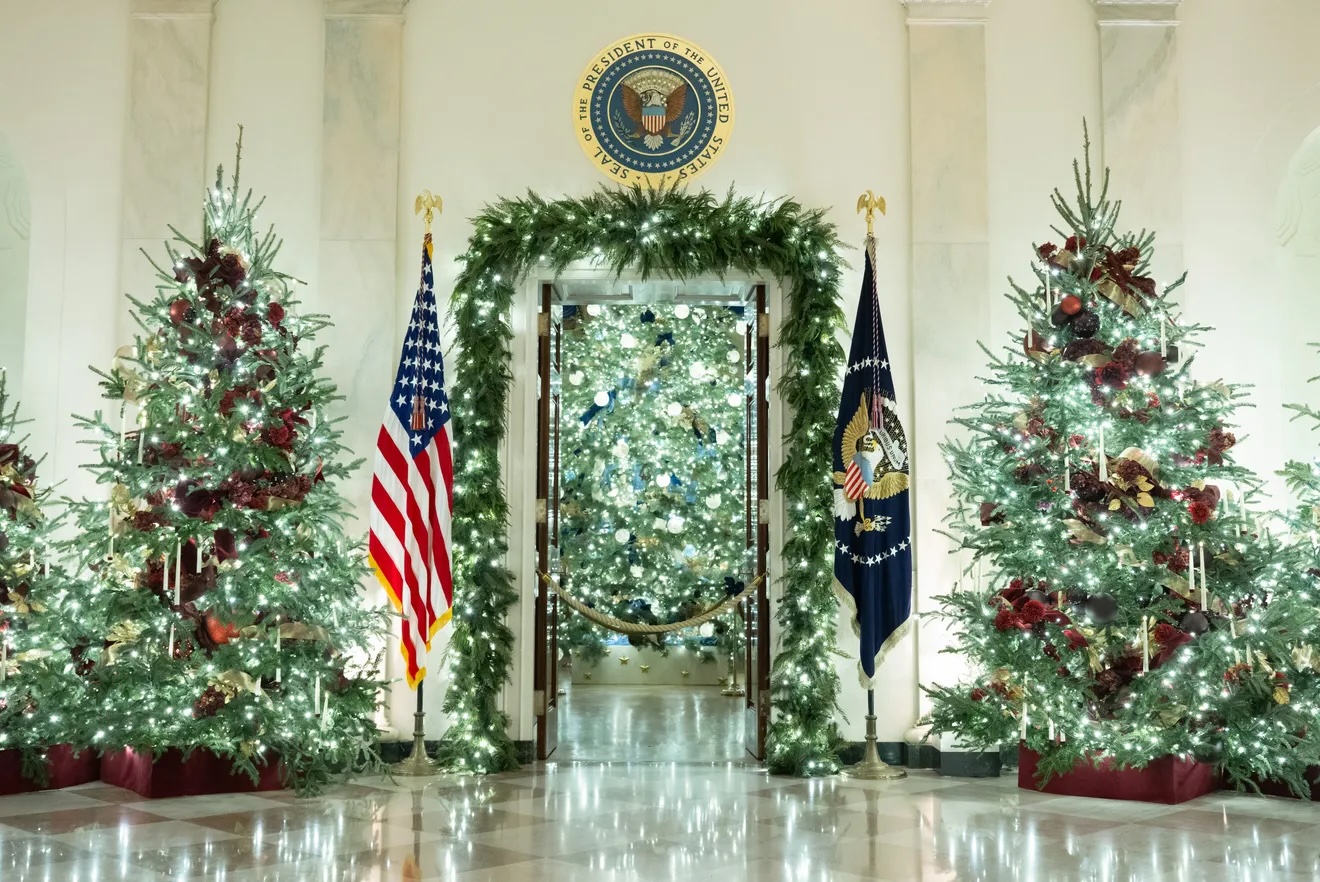
One of the most symbolic cultural changes occurred during the 2025 White House Christmas celebrations. At the president’s request, worship songs and traditional Christian hymns were performed in the East Room – a highly public display that supporters described as “giving glory to God in the most powerful and most-watched building in the world.”
Internationally, the administration restored Nigeria to the “Country of Particular Concern” list due to widespread Christian persecution, imposed visa bans on offenders, and increased Christian refugee admissions by 90 percent. Sanctions under the Global Magnitsky Act were expanded to target groups responsible for anti-Christian violence abroad.
The administration reports that more than 50 policy reviews have already been completed, with full implementation targeted for mid-2026.
Supporters say these reforms represent a long overdue correction, while critics argue they risk privileging one faith tradition. But among millions of Christians who felt unseen or targeted during the previous administration, the shift has been dramatic – and deeply welcomed.