

By Illinois Review
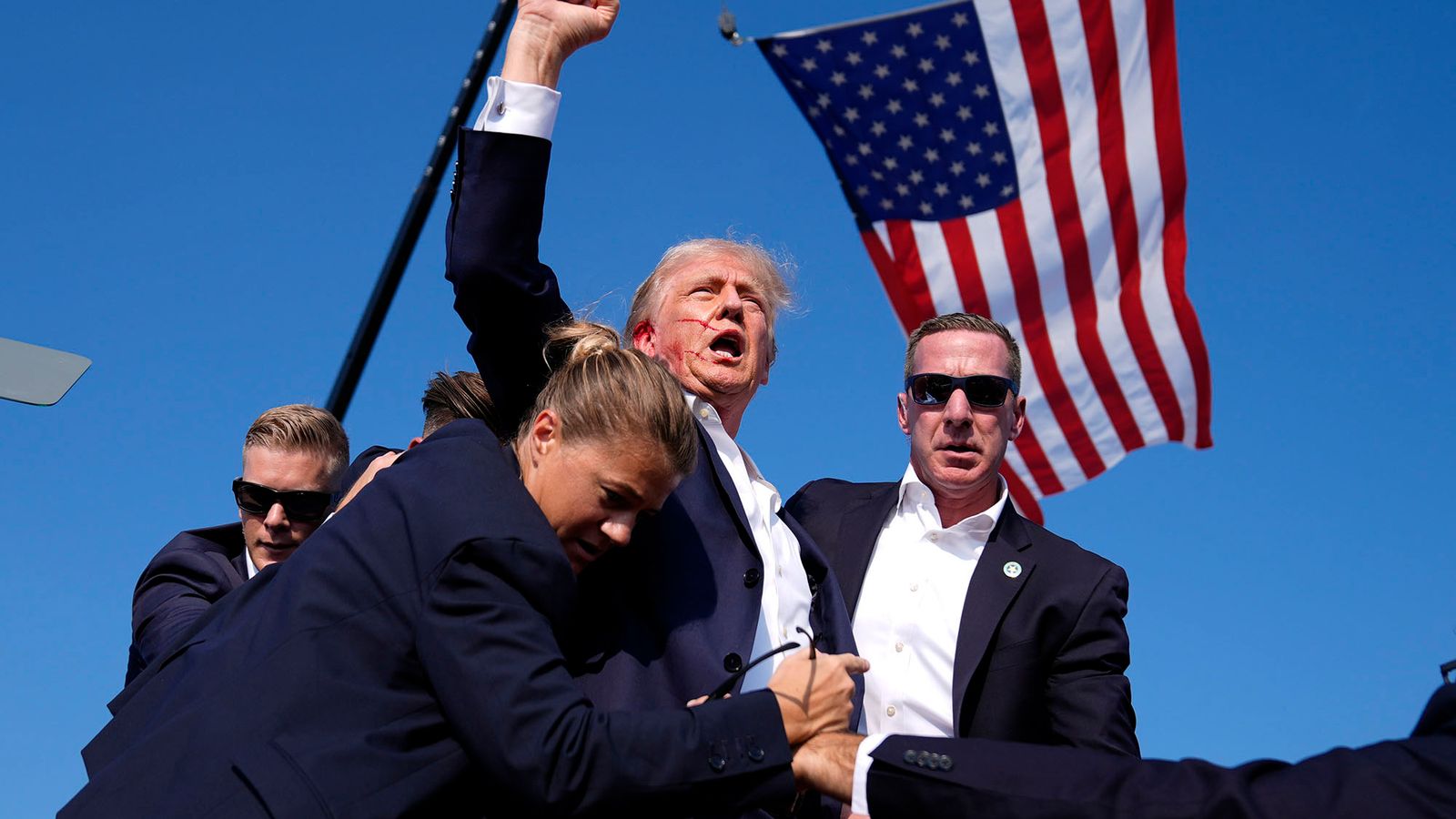
A third assassination attempt on President Donald Trump in less than two years is raising serious questions about the dangerous political climate fueled by Democrats’ rhetoric, according to new information released by the White House.
The latest incident occurred over the weekend, when a would-be attacker described as a “radical left lunatic” attempted to target the president. While details of the foiled attack continue to emerge, the broader concern is clear: political language is no longer just heated – it is becoming dangerous.
White House officials argue this was not an isolated act. Instead, they say it is the direct result of years of escalating attacks from Democrat leaders who routinely label Trump and his supporters as “fascists,” “Nazis,” and existential threats to democracy.
Press Secretary Karoline Leavitt pointed to the suspect’s manifesto, saying it was “indistinguishable” from messaging regularly pushed by Democrat politicians and media allies. That claim underscores a growing concern that rhetoric once confined to fringe voices has now gone mainstream within the Democratic Party.
In recent days alone, top Democrats have made statements that critics say cross the line from political disagreement into incitement. House Minority Leader Hakeem Jeffries described the current political environment as a time of “maximum warfare.”
Senate Minority Leader Chuck Schumer urged supporters to “rise up” forcefully against the president.
Several governors added to the intensity. Pennsylvania Gov. Josh Shapiro said “heads do need to roll” within the Trump Administration. California Gov. Gavin Newsom told supporters to “punch these sons of bitches in the mouth.” Minnesota Gov. Tim Walz went as far as declaring his state is “at war” with the federal government.
Illinois Gov. JB Pritzker also drew attention, stating that “Republicans cannot know a moment of peace,” while calling for “mobilization” and “disruption” against political opponents.
For many Illinois families, this kind of language hits close to home and raises concerns about safety and stability.
Members of Congress have echoed similar themes. Rep. Bonnie Watson Coleman called for removing the president and his administration, while Rep. Jasmine Crockett warned Republicans they would be confronted “in your face.” Other lawmakers have repeatedly compared Trump to dictators or labeled his administration a “fascist regime.”
Critics say this pattern is not new. For years, Democrats have used increasingly extreme language to describe their political opponents. But with three assassination attempts now targeting a sitting president, many argue the consequences are becoming impossible to ignore.
For families across Illinois and the country, the stakes are high. Political violence threatens not just leaders, but the stability of the nation itself. Children growing up in this environment are witnessing a culture where disagreement is no longer handled with debate, but with hostility and, in some cases, violence.
President Trump responded to the latest incident by calling for unity and peace, urging Americans to “recommit with their hearts” to resolving differences without violence.
Still, the question remains: will Democrat leaders tone down their rhetoric before more damage is done? Or will the cycle of anger and escalation continue?
For many Americans, especially those concerned about law and order, the answer could determine the safety and future of the country.

By Illinois ReviewFour years ago, Illinois Family Action called Darren Bailey “the real deal.”Today, apparently, he’s only worth a recommendation.In the 2022 general election, IFA gave Bailey its...
Read moreDetails