

By Illinois Review
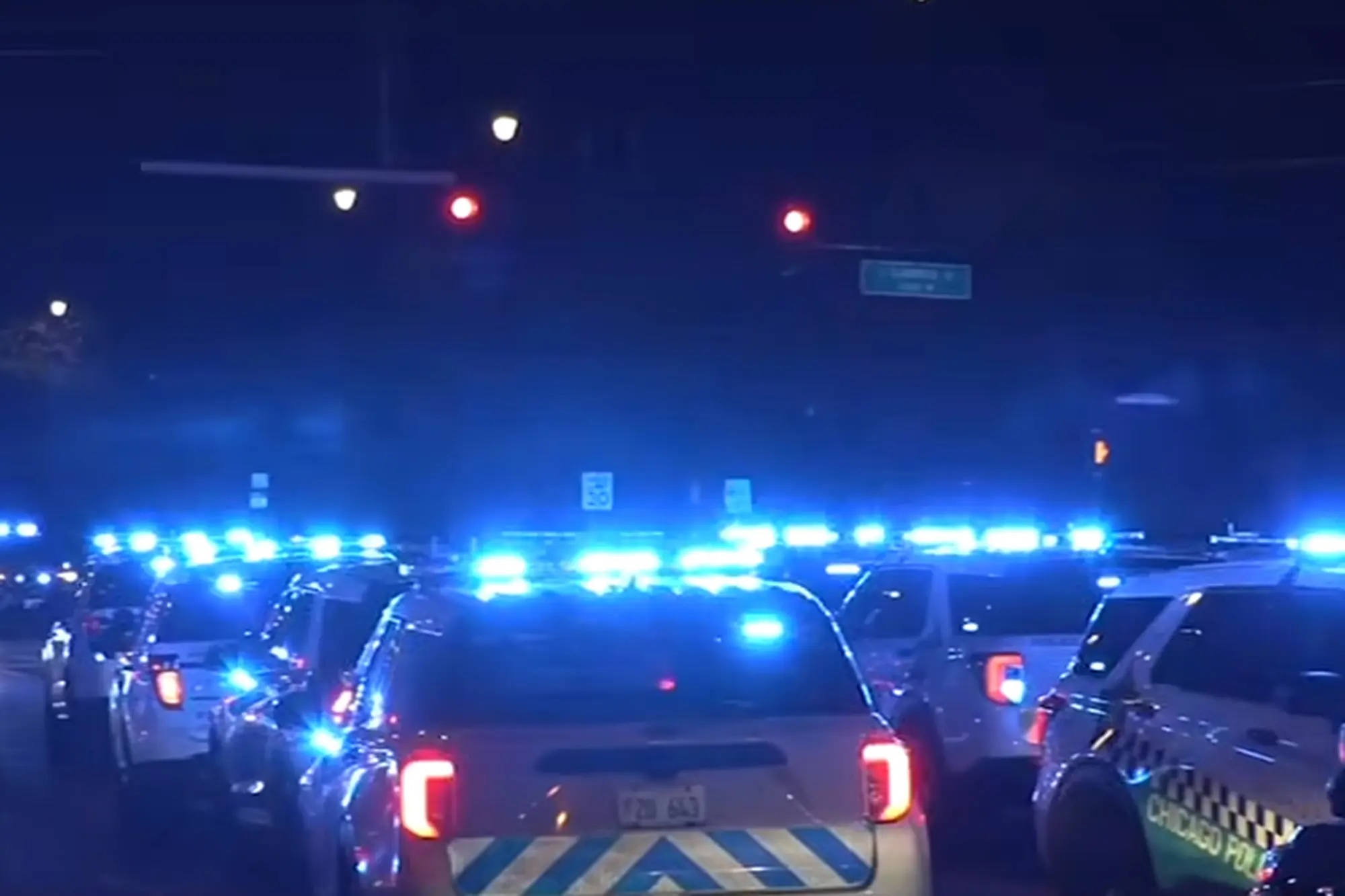
Another violent “teen takeover” erupted in Chicago over Memorial Day weekend, leaving five Chicago Police officers injured after they were struck by a vehicle while attempting to disperse a large and unruly crowd on the city’s Near West Side.
The incident occurred around 3:30 am Sunday, where hundreds of teens had reportedly gathered for yet another unauthorized street takeover that quickly spiraled into chaos.
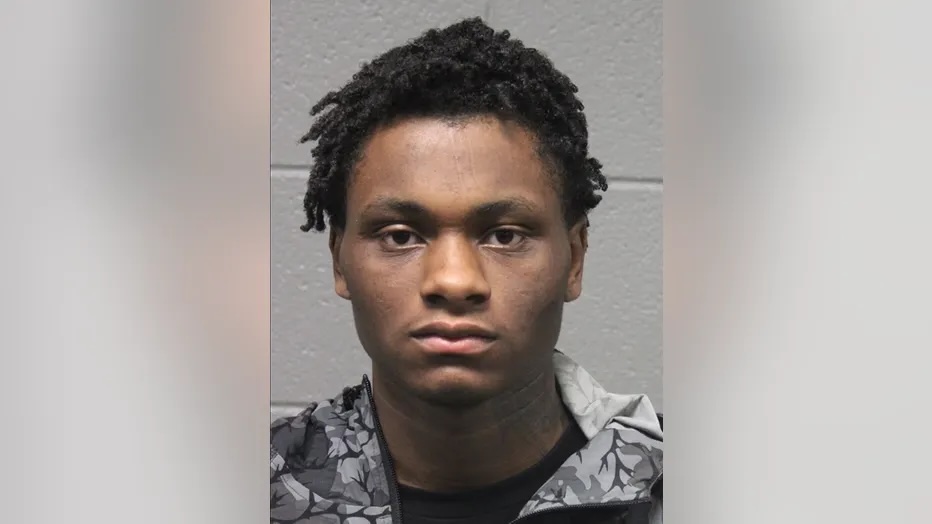
According to authorities, officers responding to the scene attempted to break up the crowd when an 18-year-old driver, identified as Rashad Johnson of Plainfield, allegedly drove a blue sedan the wrong way through the area and struck five officers before crashing into a police squad car.
All five officers suffered injuries and were transported for treatment. Police said the officers were listed in fair to good condition.
Johnson was arrested at the scene and now faces five counts of attempted first-degree murder, aggravated battery, weapons offenses, and criminal damage to government property. Authorities also recovered a firearm from the vehicle.
Roughly 13 people were arrested in connection with the gathering.
The violent episode marks the latest in a growing series of so-called “teen takeovers” across Chicago involving massive crowds, blocked intersections, reckless driving, dancing on vehicles, fights, vandalism, and attacks on police officers.
The city’s increasingly lenient juvenile justice policies have created an environment where young offenders believe there are few – if any – real consequences for disruptive or criminal behavior.
Under Chicago and Cook County’s progressive criminal justice reforms, juveniles arrested during these incidents are frequently released to parents or guardians shortly after arrest and referred into counseling, mentoring, or diversion-style community programs instead of detention facilities.
City leaders have also pushed to reduce reliance on the Juvenile Temporary Detention Center while expanding alternative “centers of care” and non-prosecution initiatives for youth offenders.
Opponents argue the approach has effectively become a revolving-door system that fails to deter repeat misconduct.
The latest violence comes just days after Chicago Mayor Brandon Johnson stated publicly during the rollout of the city’s summer safety strategy that “we cannot arrest our way to safety.”
Johnson’s comments drew immediate backlash from critics who argue the city has already moved too far away from enforcement and accountability while violent crime, disorder, and large-scale street gatherings continue to plague parts of Chicago during warmer months.
Rather than expanding curfews or increasing penalties tied to these gatherings, Johnson has emphasized investments in youth jobs programs, violence interrupters, and community-based intervention efforts.
Police unions, aldermen, and frustrated residents, however, increasingly warn that the lack of meaningful consequences has emboldened repeat offenders and contributed directly to the growing frequency of dangerous teen takeovers.
While Johnson, now charged as an adult because of the severity of the allegations, may remain detained pending court proceedings, critics say many lower-level participants involved in these gatherings will likely cycle back through the same diversion programs that have failed to stop the violence from escalating year after year.
For many Chicago residents, Memorial Day weekend’s chaos served as yet another warning sign that the city’s approach to public safety – particularly involving repeat juvenile offenders – is increasingly colliding with reality on the streets.